

A West African street snack with deep roots in Yoruba southwest Nigeria, where plantain (ogede agbagba) has been a staple since Portuguese traders introduced the cultivar from Central Africa in the 16th century. The name boli is Yoruba; the dish travels under different names across Ghana (kelewele's roasted cousin) and Cameroon, but the Lagos roadside version — sold by women fanning charcoal beside motor parks — is the reference.
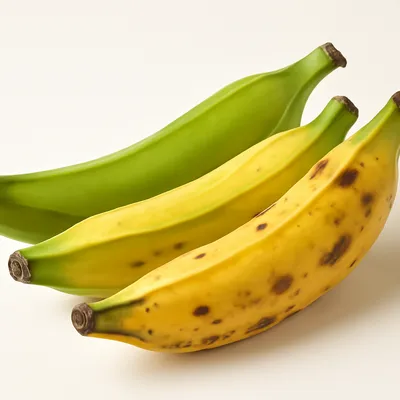
Plantain reached Yorubaland in the 16th century via Portuguese traders. Boli is roasted skin-on over charcoal — the peel steams the flesh from inside while the outside chars. Mid-ripe is the vendor's pick; black-spotted goes jammy too fast.
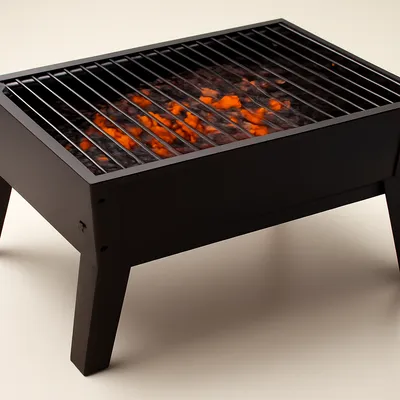
Whole plantains laid on a charcoal grate at the roadside until the peel blackens and the flesh inside turns translucent gold. Most street vendors peel the plantain first and lay the bare fruit straight on the wire rack; some traditional and home cooks roast it whole in its skin. Eaten hot off the coals, peeled with the fingers, often paired with roasted peanuts (epa) or a smear of palm-oil pepper sauce. No oil or salt touches the plantain itself; it's pure char and smoke, with the heat coaxing out a near-caramel sweetness. Soft, slightly stringy bite; the smoke from the grill is half the flavor.
Plantain ripeness is the whole game. Underripe (green-yellow) gives a starchy, slightly bitter boli that holds shape; overripe (black-spotted) caramelizes faster and turns jammy. Vendors pick mid-ripe for balance, roasting the fruit whole over charcoal with no oil or salt — the heat alone chars the outside while the inside steams soft and turns caramel-sweet. At the roadside the plantain is usually peeled before it goes on the grate; the skin-on whole roast is more a traditional and home-kitchen method.
Variations
Lagos motor-park boli (paired with epa, roasted peanuts); Port Harcourt boli ne fish (with grilled mackerel and pepper sauce); Ghanaian kelewele is the diced-and-fried cousin with ginger; Cameroonian missolè runs sweeter with palm oil glaze.
On the Palate
Where Boli sits in the Nigerian flavor cloud
Pick a mid-ripe plantain — yellow with a few black flecks — and roast it dry over real heat; ripeness alone decides whether you get firm-and-starchy or jammy-sweet, and no seasoning can rescue the wrong fruit.
Ingredients
How it's made
4 steps · 24 min
- 12 min
Peel the plantains and cut them in half lengthwise. Lightly sprinkle with salt to enhance their natural sweetness.
Watch outFeel the plantain before you peel — it should give slightly under a squeeze, like a ripe avocado, not rock-hard and not squishy.
- 25 min
Preheat a grill to medium-high heat. Place the plantains directly on the grill grates, ensuring they are evenly spaced.
- 315 min
Grill the plantains, turning occasionally, until they are golden brown and have grill marks, about 10-15 minutes.
Watch outTurn as soon as grill marks set and the surface goes matte-golden; look for caramel spots appearing, that's the sugar browning.
- 42 min
Remove the grilled plantains from the heat and let them rest for a minute. Serve warm as a snack or side dish.
Archive tool suggestions — not reviewed
These legacy suggestions have not been evidence-reviewed and are not presented as required tools.