
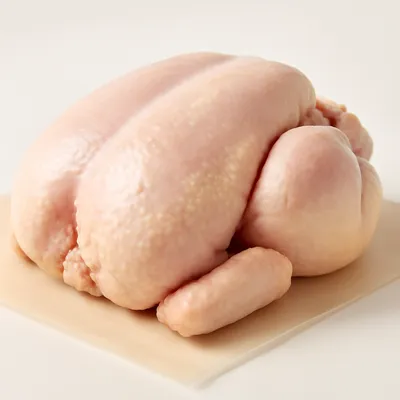


Skewered grilled fowl appears in Japanese records from the 17th century, but yakitori as a street food took off after 1923 — the Great Kanto earthquake destroyed Tokyo's high-end restaurants, and bombed-out cooks set up cheap charcoal stalls feeding workers. Postwar it spread further as American-imported broiler chicken made the meat cheap year-round; the big surge came in the 1960s–70s, when broiler shipments multiplied several-fold; the izakaya yakitori counter dates to this era.
Edo-period (17th c.) street food, originally cooking organs the elite considered inedible. Tare (sweet-soy glaze) and shio (salt) are the two paths; binchotan charcoal at 950°C is what produces the surface caramel.
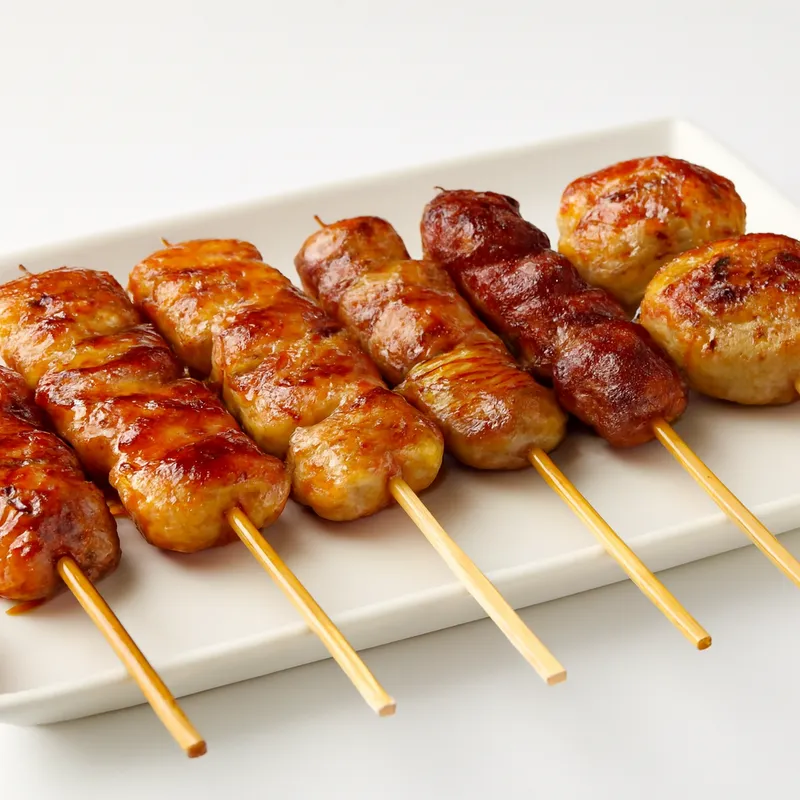
Bamboo skewers of bite-size chicken — thigh, breast, skin, liver, heart, gristle, tail — grilled over binchotan charcoal until the surface lacquers. Two seasoning paths: shio (just salt, brushed before grilling) or tare (a sweet-soy glaze brushed and re-grilled in layers). Eat hot off the skewer at the counter; cold yakitori loses the smoke and the fat congeals.
Binchotan is the load-bearing detail. This Wakayama oak charcoal burns long, hot and steady with almost no smoke or flame, emitting intense far-infrared radiant heat that sears chicken skin to crisp without flare-ups that would scorch the tare. Regular briquettes can't reach this temperature and produce greasy, smoke-flavored meat. The tare jar at a real shop is decades old, replenished daily but never emptied; that depth is unbuyable.
Variations
Momo (thigh), negima (thigh + scallion), tsukune (meatball), kawa (skin), bonjiri (tail), nankotsu (soft cartilage); kushiyaki is the broader "any meat on a stick" category; Hakata yakitori is a Kyushu vegetable-skewer subset.
On the Palate
Where Yakitori sits in the Japanese flavor cloud
Get the fire right: burn charcoal to a white-hot, low-flame bed so the skin sears crisp and the tare caramelizes without the sugars burning to bitter soot.
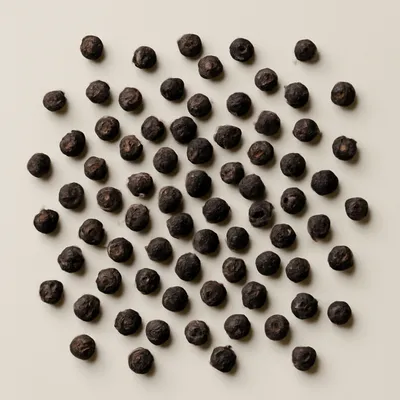
Ingredients


How it's made
5 steps · 30 min
- 110 min
Cut the chicken into bite-sized pieces, ensuring uniformity for even cooking. Thread the chicken and scallions onto skewers, alternating between the two.
- 25 min
Prepare a charcoal grill for high heat, allowing the coals to become white-hot. The grill should be intensely hot, emitting a faint smoky aroma.
Watch outThe coals are ready when they glow orange-white under a thin grey ash and give off steady dry heat with almost no visible flame.
- 310 min
Place the skewers on the grill, turning occasionally. The chicken should develop a golden, slightly charred exterior, with juices sizzling as they hit the coals.
Watch outListen for a steady sizzle and turn when the skin is golden and just charred at the edges; if fat flares up, move the skewer aside.
- 43 min
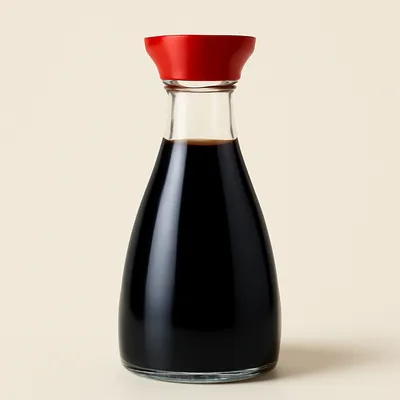
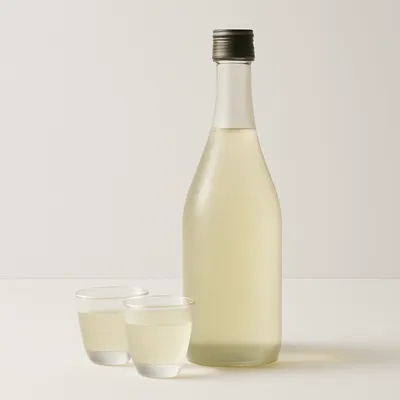
Brush the skewers with a mixture of soy sauce, sake, mirin, and sugar. Allow the glaze to caramelize slightly, adding a glossy, sticky finish.
Watch outBrush the tare only once the chicken is nearly done, then let it caramelize to a sticky sheen — a second or two, not until it blackens.
- 52 min
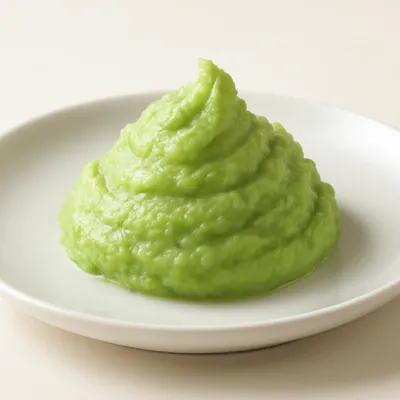
Serve the yakitori hot off the grill, optionally garnished with cayenne pepper or wasabi for added spice.
Archive tool suggestions — not reviewed
These legacy suggestions have not been evidence-reviewed and are not presented as required tools.
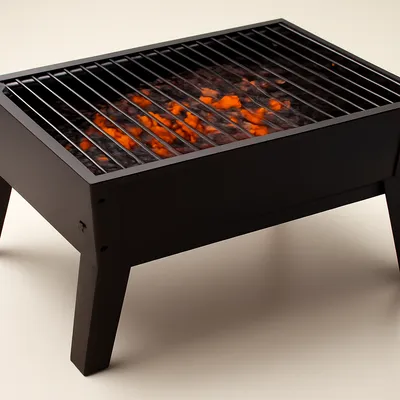
An open or hooded metal frame holding a bed of glowing charcoal embers, with a grate above. Charcoal burns at 700°C+ on the surface and emits short-wave infrared, which cooks proteins faster and with deeper Maillard browning than gas. Hardwood lump charcoal (oak, mesquite, fruitwood) lends its own smoke; cheap briquettes do not. Mastery is mostly heat zoning — direct over coals for searing, indirect off-coals for slow-roasting.

A long, narrow charcoal grill, 50-90 cm long and only 12-18 cm wide, designed so skewers rest across the rim with the meat directly over the embers. The shape is critical — too wide and the binchotan charcoal can't deliver concentrated heat to the small protein on the skewer. Premium yakitori shops use Japanese white binchotan (made from ubame oak) which burns at 950°C with almost no smoke or flame.