Kobe Beef is the certified meat of the Tajima strain of Japanese Black (Kuroge Washu) cattle, born, raised, and slaughtered in Hyogo Prefecture in the Kansai region, with Kobe as the prefectural capital. It is one of Japan's three great wagyu, alongside Matsusaka and Omi, and the country's most globally famous beef. To carry the name, a carcass must pass the standards of the Kobe Beef Marketing & Distribution Promotion Association — a high marbling score, a top meat-quality grade, an upper yield grade, and a carcass-weight cap — after which it receives the prefecture's nojigiku-flower seal and a ten-digit individual identification number, and the name itself is protected as a registered Geographical Indication and trademark. It is prized for fine, evenly dispersed intramuscular fat, the marbling called sashi, that melts near body temperature into a buttery tenderness. It is most often served as a seared steak or teppanyaki griddled at the table, and also as sukiyaki and shabu-shabu.



Tajima cattle were raised for over a thousand years as small, thin-boned draught animals in the mountains of the Tajima region in northern Hyogo, valued before the modern era for farm labor rather than meat. Beef-eating took hold only after the opening of the international port of Kobe in 1868, when a foreign settlement grew in the city and Westerners began asking for local beef; the Tajima cattle slaughtered for them won a reputation, and meat shipped out of the port gradually became known abroad as "Kobe beef." Through the Meiji era (1868-1912) the Tajima bloodline was recognized for the quality of its meat and bred deliberately for the table. The modern certification system was formalized in September 1983 with the founding of the Kobe Beef Marketing & Distribution Promotion Association, which fixed the definition and issues the Kobe Beef certificate; the name was registered under Japan's Geographical Indication system in 2015. Today the Tajima strain remains the common ancestral bloodline behind the other great branded wagyu as well.
A good Kobe steak is dense with thread-fine marbling that turns the cut surface a pale rose-pink rather than deep red. Seared, the fat softens and renders within the muscle, so the meat eats soft and yielding, with a clean, almost sweet richness and a buttery, melting finish rather than a chewy bite. It is intensely rich, which is why it is served in small portions and often only lightly seasoned with salt; a thin slice off the teppan can feel like it dissolves on the tongue. Overcook it or choose an over-fatty cut, and the same fat goes from silky to greasy and cloying, the texture loosening to mush and the sweetness lost.
Kobe beef eats the way it does because of its fat, not in spite of it. The intramuscular fat is rich in monounsaturated fatty acids — chiefly oleic acid, reported at roughly half of the fat in wagyu loin — and these bent, loosely-packing molecules give the fat a low melting point, commonly cited in the low-to-mid 20s °C, far below the roughly 40-50°C at which ordinary beef fat starts to render. Because the marbling is fine and evenly dispersed through the muscle rather than walled off in seams, when the lean is heated the fat melts first and bastes the meat from within, lubricating the fibers so they read as tender and the whole bite seems to melt near body temperature; the oleic acid also reads as sweet and aromatic. This is why Kobe is sliced thin and cooked lightly — a quick sear or a few seconds on the teppan, or a brief dip in sukiyaki or shabu-shabu broth. Long, hot cooking renders the fat fully out, taking the moisture and the melting quality with it and leaving the meat dry.
Variations
The most common preparations are a pan- or charcoal-seared steak, eaten in small portions; teppanyaki, where a chef sears cubes or slices on an iron griddle at the table; and the hot-pot styles sukiyaki, simmered in a sweet soy-mirin sauce, and shabu-shabu, swished briefly in hot broth — both of which use very thin slices that suit the soft, low-melting fat. Other Hyogo cuts such as misuji and other rare trim are also served. As one of Japan's three great wagyu, Kobe sits alongside Matsusaka beef from Mie Prefecture and Omi beef from Shiga; Yonezawa from Yamagata is sometimes named for the contested third spot, and all of these brands trace back to the Tajima bloodline.
On the Palate
Where Kobe Beef sits in the Japanese flavor cloud
Ingredients
Serves 2
How it's made
8 steps · 20 min active + 15 min waiting
- 115 min
Take the Kobe steak out of the refrigerator and let it come to room temperature, then pat the surface completely dry.
Watch outBring the steak to room temperature and pat it bone-dry — a cold, damp surface steams and won't brown, and the fine fat needs even heat to render right.
- 23 min
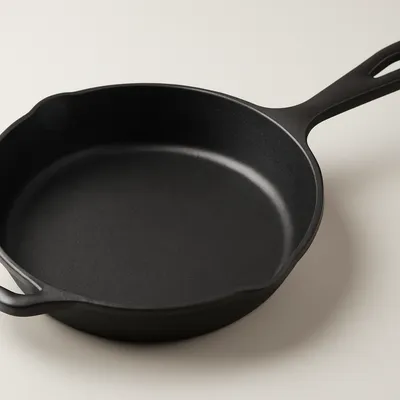
Rub a little rendered beef tallow over a heavy steel teppan or cast-iron pan and heat it until very hot.
- 31 min
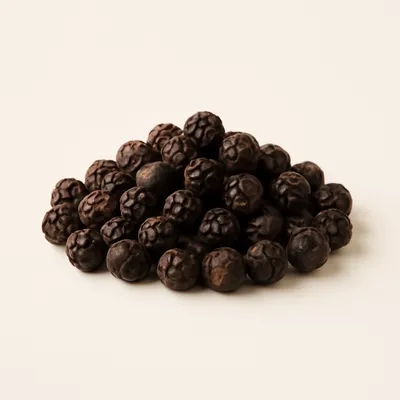
Season the steak with salt and a little black pepper just before cooking.
- 42 min
Lay the steak on the hot surface and sear without moving it until a brown crust forms, about 1 to 2 minutes.
Watch outSear without moving it until a brown crust forms, about one to two minutes a side, keeping the inside rare — the low-melting fat should just melt and baste, not cook out.
- 52 min
Flip and sear the other side for a similar time, keeping the interior rare to medium-rare given the rich fat.
- 61 min
Sear the fatty edges briefly so the surface fat colors and renders.
- 74 min
Rest the steak off the heat for a few minutes so the juices settle.
- 82 min
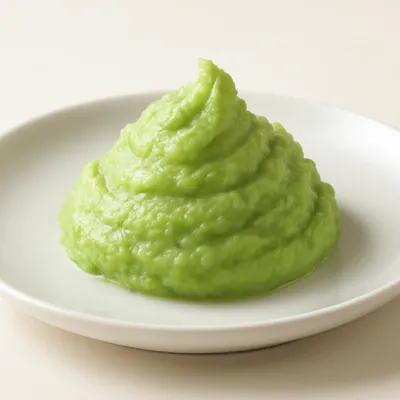
Slice across the grain into bite-size pieces and serve with wasabi, a little soy sauce or flaky salt, and grated garlic if desired.
Archive tool suggestions — not reviewed
These legacy suggestions have not been evidence-reviewed and are not presented as required tools.