Akashiyaki is a soft, egg-rich octopus dumpling from the port city of Akashi in Hyogo Prefecture, in Japan's Kansai region. Each ball is mostly beaten egg loosened with dashi and a little light starch, with a piece of Akashi octopus set in the center, cooked in the round wells of a heated copper mold until barely set. Far more egg-heavy and far softer than Osaka's takoyaki, it is custardy and almost trembling rather than firm. It is not sauced: the balls are arranged on a small angled wooden board and each one is dipped into a bowl of warm dashi broth before eating. Locally it is simply called tamagoyaki, or "egg-grill," a name it shares with the unrelated rolled omelette, and it is widely regarded as the ancestor of takoyaki.




The exact origin of akashiyaki is unrecorded, but it is documented as an old Akashi snack tied to the local craft of akashidama, an imitation coral. From the late Edo period into the Taisho era, Akashi had a thriving trade in akashidama, made by binding saltpeter with egg white to imitate coral for hairpins and other ornaments; this craft is attributed to a late-Edo metalwork artisan, Edoya Iwakichi, who is said to have hit on the idea after egg white set in his pocket on a cold day. The white was used for the beads, leaving large amounts of yolk, and akashiyaki is widely held to have begun as a way to use that surplus egg together with the city's plentiful octopus. The modern yatai (street-stall) form is generally dated to the Taisho era and attributed to a vendor named Seitaro Mukai. Akashiyaki is also documented as the precursor of Osaka takoyaki: Endo Tomekichi of the stall Aizuya, who had been selling a flour-based snack called radio-yaki from 1933, switched its filling to octopus around 1935 on a customer's suggestion that he borrow from Akashi's tamagoyaki, and so created takoyaki.
Hot and barely holding together, an akashiyaki ball collapses softly the moment it leaves the mold, custardy and almost liquid at the center where the egg is only just set. The flavor is gently sweet and deeply eggy, with a clean savory backbone from the dashi soaked into the batter and a firm, slightly chewy nub of octopus at the core for contrast. Dipping it in the warm dashi loosens the surface further and floods each bite with broth and a scatter of mitsuba or scallion. A good one is fragile and almost molten inside; an overcooked one turns rubbery and dry and loses the trembling softness that is the whole point.
Akashiyaki sets soft because the batter is mostly egg, with only a small amount of light, low-protein starch (jinko, a wheat or wheat-rice starch) rather than the higher proportion of wheat flour used in takoyaki. With little gluten to form a firm network, the egg proteins coagulate into a tender, custard-like gel instead of a chewy crumb; the starch thickens the mix and, because it does not toughen on cooling, keeps the texture soft and yielding. The copper mold is the second key: copper's high thermal conductivity spreads heat fast and evenly across the wells, setting a thin skin on the outside while the interior is pulled from the heat before it can firm up, so the center stays barely cooked. Finally, the warm dashi dip rehydrates and loosens the egg surface and layers on glutamate umami; the kombu-and-katsuobushi broth combines glutamate from the kelp with inosinate from the dried bonito, a synergy that multiplies perceived savoriness far beyond either alone.
Variations
Akashiyaki's most famous relative is Osaka takoyaki, which descends from it: takoyaki uses a flour-heavier batter for a firmer ball, is cooked in a cast-iron plate, and is finished with takoyaki sauce, mayonnaise, dried bonito flakes, and aonori rather than a dashi dip. Takoyaki's other parent is radio-yaki (rajio-yaki), the earlier flour snack filled with konjac, dried shrimp, and pickled ingredients in soy seasoning. Within Akashi itself, akashiyaki is sold by more than seventy shops and varies mainly in the dashi—some serve a clearer, lighter broth, others a richer one—and in garnishes such as mitsuba or scallion; some stalls now also offer dipping sauce alongside the broth for visitors used to takoyaki.
On the Palate
Where Akashiyaki sits in the Japanese flavor cloud
Ingredients
Serves 2


How it's made
9 steps · 30 min active + 10 min waiting
- 110 min
Make a dashi: gently steep kombu and katsuobushi in hot water, then strain; reserve most as the warm dipping broth and let a portion cool to mix into the batter.
- 23 min
Dice cooked or par-cooked octopus into bite-size pieces, one for each ball.
- 35 min
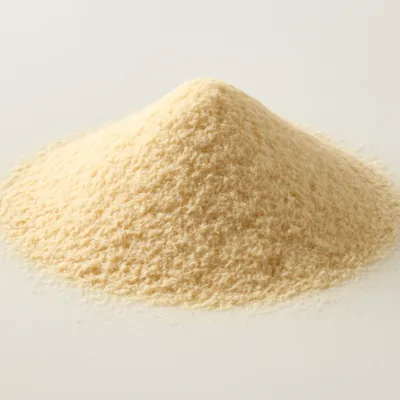
Whisk eggs thoroughly, then beat in the light starch (jinko or wheat starch), a little flour, and the cooled dashi to a thin, pourable batter; season lightly with salt.
Watch outKeep the batter mostly egg with only a little light starch — too much flour builds gluten and you lose the tender, custardy set.
- 43 min
Heat the copper mold and brush each well with oil until hot.
- 52 min
Pour the thin batter to overfill the wells, then drop a piece of octopus into each.
- 64 min
As the edges set, use a pick to fold the overflowing batter in and turn each ball, rounding it while the center stays soft.
Watch outFold the overflowing batter in and turn each ball while the center stays soft — rounding it without cooking the middle firm.
- 73 min
Cook just until the outside is set and pale gold but the inside is still custardy, keeping the heat brisk and even.
Watch outPull them when the outside's just set and pale gold but the inside's still custardy — akashiyaki is meant to stay soft, not firm.
- 82 min
Lift the soft balls onto an angled wooden board, scattering mitsuba or scallion over them.
- 93 min
Serve at once with individual bowls of the warm dashi, dipping each ball before eating.
Archive tool suggestions — not reviewed
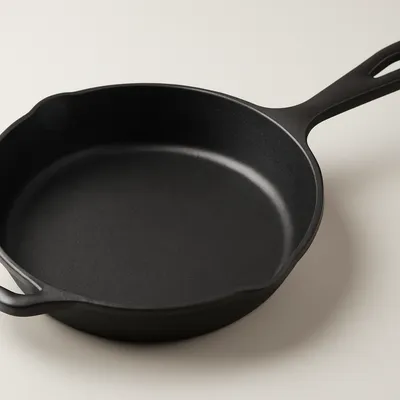
These legacy suggestions have not been evidence-reviewed and are not presented as required tools.