
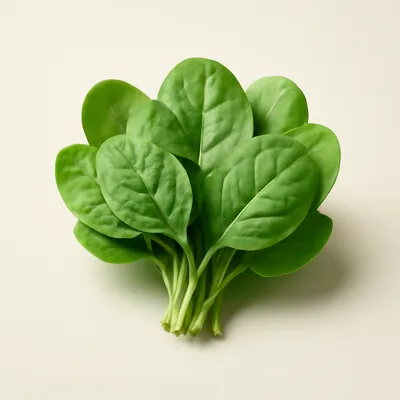
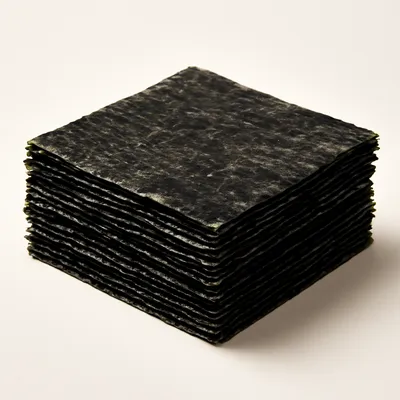
A Yokohama style that fuses Kyushu's creamy pork-bone tonkotsu with Tokyo's clear chicken-and-soy ramen, finished with a slick of chicken oil (tori-abura). The soup is a tonkotsu-shoyu hybrid, rich but not as heavy as pure Hakata tonkotsu, served with thick, straight noodles. The signature toppings are boiled spinach, large sheets of nori, and chashu. Diners commonly take rice on the side, dipping the soup-soaked nori onto it. Most shops let you customize three things — noodle firmness, broth richness, and the amount of chicken oil — and the family of shops is recognizable by names ending in '-ya.'



Iekei was created in 1974 by Yoshimura Minoru, a former long-distance truck driver who had eaten regional ramen all over Japan on his hauls and reasoned that combining Kyushu pork-bone broth with Tokyo soy-sauce seasoning would taste good. He opened his shop, Yoshimuraya, near Shin-Sugita Station in southern Yokohama; it is universally recognized as the birthplace of the style and remains its head shop (now near Yokohama Station). The name 'iekei' (家系, literally 'house lineage') comes from the many disciple shops that, like Yoshimuraya, took names ending in the character for 'house' (-ya / 家) — so the whole school came to be called the 'ie-kei,' the family line.
The soup hits thick and savory — pork-bone body, a firm backbone of dark soy, and a glossy chicken-oil sheen that coats the lips. The thick straight noodles are dense and chewy, built to stand up to the heavy soup rather than slip away in it. Boiled spinach gives a clean vegetal break; the nori is the move — let a sheet soften in the broth, then wrap it around a mouthful of rice. Eaten well, it is rich, salty, and deeply satisfying; eaten badly, the fat and salt can overwhelm, which is exactly why the firmness, richness, and oil are made adjustable.
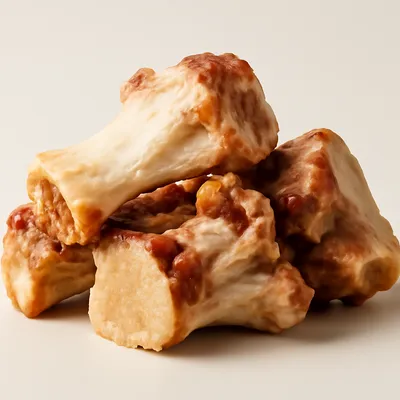
Two stocks do different jobs. Pork bones, hard-boiled, emulsify their collagen and marrow fat into the water to give the cloudy body and mouth-coating richness; a chicken-and-soy element lends cleaner aroma and the glutamate of the shoyu tare, which the inosinate in the bones amplifies. The float of tori-abura (rendered chicken fat) is functional, not decorative: it caps the surface, slows heat loss so the bowl stays scalding, and carries fat-soluble aromatics to the nose. The thick, low-hydration straight noodle is chosen deliberately to resist a soup this heavy — a thin noodle would bloat and drown. Nori works as a foil, its marine glutamate and crisp-then-soft texture cutting the fat between bites.
Variations
Because every disciple shop tweaks the formula, iekei spans a spectrum from leaner, soy-forward bowls to thick, almost gravy-like tonkotsu. Beyond Yoshimuraya's direct line (chokkei), there are capital-backed chains (shihon-kei) and looser offshoots (haseikei) that adopt the format. Standard customizations are firmness (katame / futsu / yawarakame), richness (koime / usume), and oil (oome / sukuname); free extra rice and a 'soup-soaked nori on rice' ritual are near-universal. Iekei is itself a younger cousin of plain Tokyo shoyu ramen and Hakata tonkotsu, the two parents Yoshimura set out to marry.
On the Palate
Where Iekei Ramen sits in the Japanese flavor cloud
Ingredients
Serves 4

How it's made
7 steps · 40 min
- 1420 min
Hard-boil pork bones (trotters and back bones) in plenty of water for many hours, topping up and skimming, until the broth turns cloudy, white, and rich; strain.
Watch outBoil the pork bones hard for hours until the broth turns cloudy white and rich — only a rolling boil emulsifies the fat and collagen into that opaque body.
- 2120 min
Separately simmer chicken bones for a clean stock and render chicken fat into chicken oil (tori-abura); reserve the oil.
- 310 min
Make the shoyu tare: combine dark soy sauce with a little mirin, sake, and aromatics; warm to round it.
- 415 min
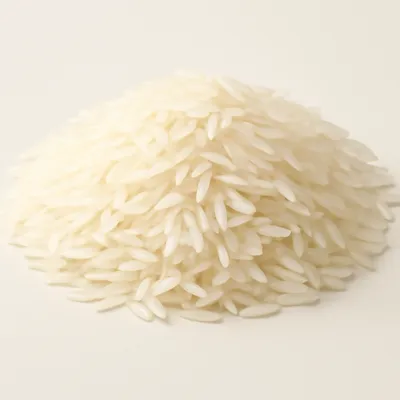
Blanch spinach briefly and squeeze dry; slice the chashu; cut large sheets of nori; cook white rice for serving.
- 55 min
Spoon tare into each warmed bowl, ladle in the hot pork (and chicken) broth, and add a spoonful of chicken oil on top.
- 65 min
Boil the thick straight noodles to the firmness you want, drain very well, and lift into the bowls.
Watch outBoil the thick straight noodles to the firmness you want and drain very well — a heavy soup this rich bloats a soft noodle to mush.
- 74 min
Top with chashu, the squeezed spinach, and nori sheets propped against the rim; serve with a bowl of rice on the side.
Archive tool suggestions — not reviewed
These legacy suggestions have not been evidence-reviewed and are not presented as required tools.


