
The hot form of somen — the very fine, dried wheat noodles usually eaten chilled in summer — served instead in a warm, light dashi broth. The thin noodles are boiled, then bathed in a clear soy-and-dashi soup and topped simply, often with shiitake, kamaboko, a little spinach or mitsuba, dried shrimp or yuba, and a slice of citrus zest. It is a gentle, quickly made winter dish: where cold somen is brisk and refreshing, nyumen is soft and warming, and it is closely associated with the somen-producing Miwa area of Nara.

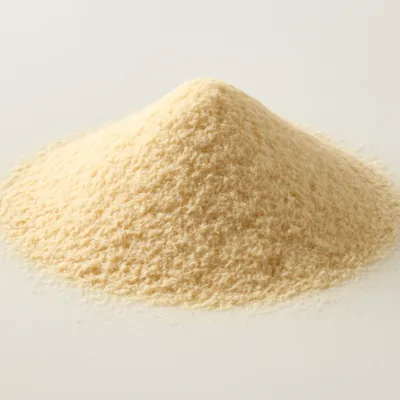
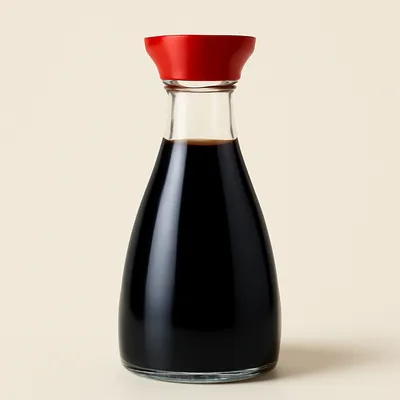


Nyumen is the warm preparation of somen rather than a separately invented dish, and it is tied to the history of somen itself, whose making in Japan is most strongly associated with the Miwa district of Sakurai, Nara, around Omiwa Shrine. Tradition holds that somen-making here goes back well over a thousand years; this great antiquity is a long-repeated claim rather than a firmly dated record, but Miwa's standing as a historic centre of somen is well established, and by the Edo period Miwa somen was a prized product sold across Japan. Because somen keeps as a dried pantry staple, eating it hot in dashi gave a year-round and especially cold-weather use; nyumen is eaten across Japan but is particularly associated with Nara, where it is favoured in autumn and winter.
A clear, pale gold broth, lightly steaming, with the thin noodles settled beneath. The somen is delicate and soft — far finer and more tender than udon or soba — and almost dissolves on the tongue, so the bowl is more about the broth than the bite. The dashi reads clean and savoury, the toppings give small contrasts of texture, and a touch of citrus or yuzu lifts the nose. Soothing and easy to eat, it is the bowl reached for on a cold day or when appetite is low. The noodles soften further the longer they sit, so it is best eaten promptly.
Somen owes its fineness to its making: the wheat dough is repeatedly stretched while brushed with vegetable oil, which lets the strands be drawn out extremely thin without tearing and is what allows somen to be far finer than other Japanese noodles. The broth is a kakejiru built on dashi — kombu and katsuobushi (or shiitake) — whose depth comes from umami synergy, the glutamate of kombu reinforcing the inosinate of dried bonito (or shiitake's guanylate), seasoned lightly with soy and mirin so the soup stays clear and does not overwhelm the fragile noodles. Because the very thin somen overcooks fast, it is boiled separately and only briefly, then combined with the hot broth so the strands hold their shape rather than turning to mush.
Variations
Toppings shift with season and region: shiitake and kamaboko, greens such as spinach or mitsuba, dried shrimp, yuba, grated ginger, or a poached egg. A sansai (mountain-vegetable) nyumen is common in the countryside. The broth can lean lighter (Kansai-style, kombu-forward and pale) or darker. Nyumen is simply the hot counterpart of the same somen eaten cold in summer — as hiyashi somen dipped in tsuyu, or as nagashi-somen flowing down a bamboo flume — and Miwa somen is the noodle most associated with both forms.
On the Palate
Where Nyumen sits in the Japanese flavor cloud
Ingredients
Serves 1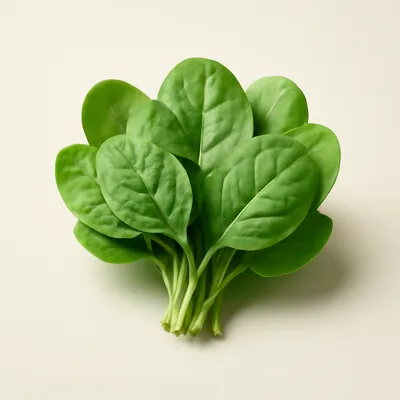

How it's made
7 steps · 15 min
- 15 min
Heat the dashi in a saucepan and season lightly with soy sauce, mirin and a little salt to make a clear broth; keep it hot.
- 25 min
Prepare the toppings: slice the shiitake, cut the kamaboko, and blanch the greens.
- 33 min
Bring a separate pot of water to a rolling boil for the somen.
- 42 min
Boil the somen briefly — only about a minute and a half, until just tender — then drain quickly.
Watch outBoil the somen only about a minute and a half to just-tender — these ultra-fine strands overcook in seconds and turn to mush in the hot broth.
- 51 min
Rinse the somen under running water to wash off surface starch, then drain again.
Watch outRinse off the surface starch under running water before it goes in the bowl — skip this and the broth turns cloudy and gluey.
- 61 min
Place the noodles in a warmed bowl and ladle the hot broth over them.
- 71 min
Arrange the toppings on top and finish with a little citrus zest; serve immediately.
Archive tool suggestions — not reviewed
These legacy suggestions have not been evidence-reviewed and are not presented as required tools.


