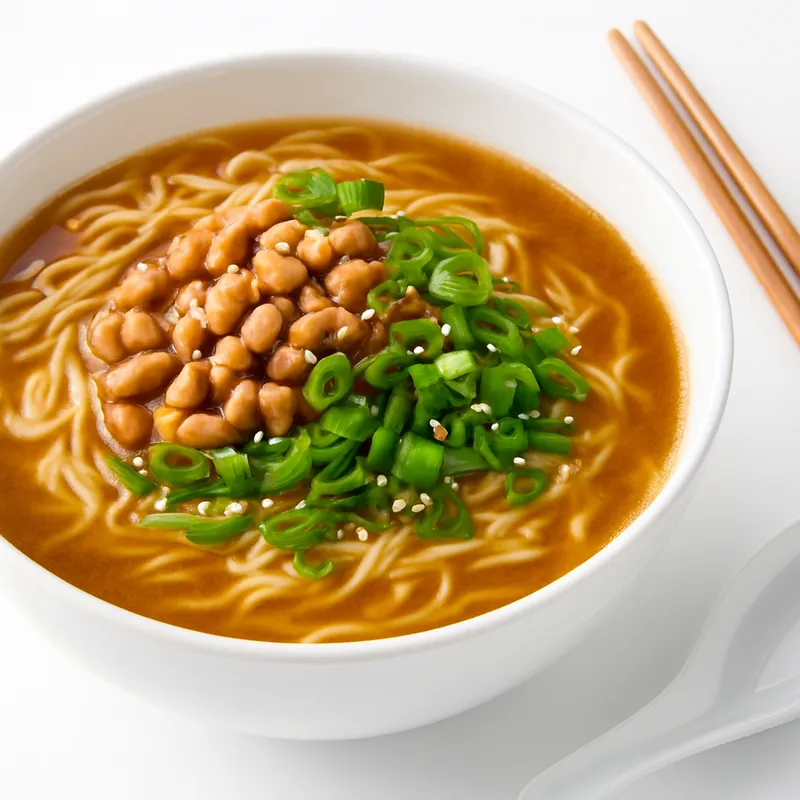
Fukui's signature cold soba: dark, firm buckwheat noodles served under a heap of sharp grated daikon, with bonito flakes and chopped negi, eaten with cold dashi-soy tsuyu. The defining note is the radish—a hot, pungent karami-daikon variety whose juice cuts the buckwheat rather than the milder grate used elsewhere. There are several local ways to eat it: pouring the tsuyu over the bowl (bukkake-style), dipping the noodles into it, or stirring the grated radish and its juice straight into the broth. No wasabi is used; the daikon's bite stands in for it. Often called simply 'oroshi soba' or 'Echizen soba,' it is one of Fukui's most-cited regional foods.


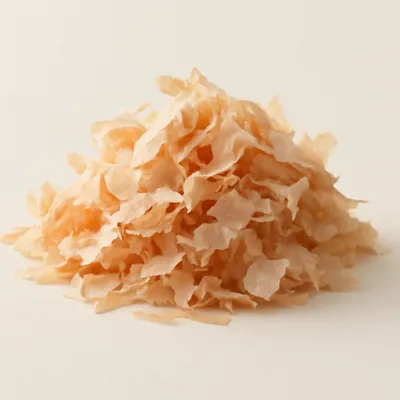
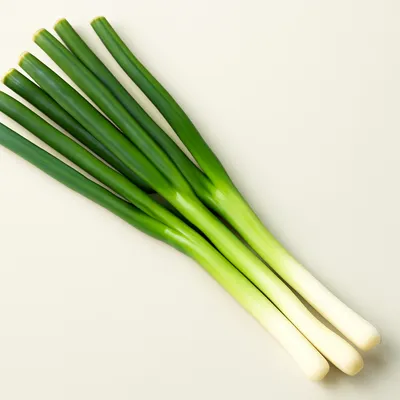
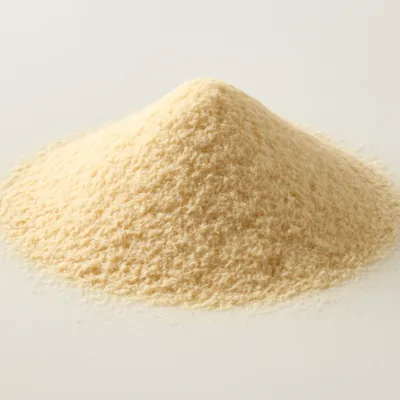

Buckwheat has been cultivated in the Echizen region of Fukui for centuries; local lore credits the lord Honda Tomimasa, installed at Fuchu (now Echizen City) in the early 1600s, with promoting soba as a famine-resistant crop, and grated-radish soba is documented as an old Echizen way of eating it. The name 'Echizen soba' spread nationally only after the war: when the Showa Emperor visited Fukui in October 1947 and was served local soba—reportedly asking for a second helping and later recalling 'that Echizen soba' fondly—the episode is widely cited as the moment the name took hold. Sources note the dish he ate may have been a mori-style soba rather than today's oroshi version, so the precise menu is contested; what is well documented is that the imperial praise popularized the 'Echizen' name. The Ministry of Agriculture lists oroshi soba among Fukui's official local dishes.
Cold and bracing. The noodles are firm and a little coarse, dark from a high proportion of buckwheat, with the toasty, grassy aroma of soba up front. Then the daikon hits—not the soft sweetness of ordinary grated radish but a real peppery heat that flares at the back of the nose and clears with each mouthful. Bonito flakes lend a smoky, savory thread, the negi a green sharpness, and the chilled tsuyu ties it together: salty-sweet, deeply of dashi, and cold enough to keep the noodles taut. It finishes clean and a touch fiery, no wasabi needed.
The heat of karami-daikon is not present in the intact root—it is manufactured the instant the cells are torn by grating. Broken cells let the enzyme myrosinase meet stored glucosinolates, which are hydrolyzed into volatile isothiocyanates (chiefly allyl isothiocyanate), the same sharp, nose-prickling compounds found in wasabi and mustard. Because these molecules are volatile and degrade over minutes, the radish is grated just before serving and its pungency fades if it sits—so the bowl is built fast. Grating fine and including the juice maximizes the reaction; a hotter karami variety simply carries more glucosinolate. The noodles are boiled hard then shocked in ice water: the chill firms the starch and rinses surface gel so the strands stay separate and springy, while the high buckwheat content—which lacks gluten—is what makes them taste of soba but also makes them more fragile than wheat noodles. The cold dashi tsuyu pairs kombu glutamate with bonito inosinate, two umami compounds whose synergy multiplies savoriness far beyond either alone.
Variations
Eating styles divide the prefecture: some pour the tsuyu over the noodles (bukkake), some dip mori-style, and some grate the daikon directly into the broth, or add only its squeezed juice. Toppings beyond the standard daikon-bonito-negi may include grated yam, raw egg, or a sheet of nori. Noodle styles range from nearly pure 100% buckwheat (juwari) to wheat-cut blends, and from rustic, dark, coarsely milled inaka-soba to finer cuts. A few shops serve it warm in winter, though the cold version defines the dish. Outside Fukui, grated-radish soba is eaten across Japan, but the sharp karami-daikon treatment is the Echizen hallmark.
On the Palate
Where Echizen Oroshi Soba sits in the Japanese flavor cloud
Ingredients
Serves 2
How it's made
6 steps · 40 min
- 110 min
Make the tsuyu ahead: combine dashi, soy sauce, and mirin, bring just to a simmer, then chill thoroughly.
- 28 min
Peel and finely grate a sharp karami-style daikon just before serving; reserve it with its juice. Slice negi thinly and ready the bonito flakes.
Watch outGrate the daikon fine only just before serving — the pungency is made the instant the cells tear and fades within minutes, so build the bowl fast.
- 35 min
Bring a large pot of water to a rolling boil and cook the soba until just done, following the noodle's timing.
- 43 min
Drain and immediately plunge the noodles into ice water, rubbing gently to rinse off surface starch, then drain well so the strands are cold and taut.
Watch outPlunge the drained soba into ice water and rub off the surface starch — this stops the cooking and leaves the strands cold, taut and slippery.
- 52 min
Mound the noodles in bowls and top with the grated daikon, bonito flakes, and negi.
- 61 min
Pour the cold tsuyu over the top (bukkake-style), or serve it alongside for dipping. Eat at once while everything is cold and the radish is fresh.
Archive tool suggestions — not reviewed
These legacy suggestions have not been evidence-reviewed and are not presented as required tools.