
One of Japan's three great soba traditions, from the mountain shrine town of Togakushi north of Nagano City. Cold buckwheat noodles are served in a distinctive presentation called bocchi-mori: the strands are gathered into five or six small one-bite coils on a flat woven basket, fanned in a row, garnished with grated Togakushi daikon and shrine-grown wasabi rather than the usual radish. Diners dip each coil into chilled soy-dashi tsuyu. The buckwheat grows on the cool volcanic slopes of the Togakushi highlands, where the short season and cold nights concentrate the grain's aroma.





Togakushi was a center of Shugendo mountain asceticism, and buckwheat is said to have entered the area as the portable food of the yamabushi ascetics and pilgrims who gathered at the shrines. The early form was not cut noodles but soba-gaki (buckwheat dumpling) and soba mochi; the cut-noodle soba-kiri developed in the Edo period, when the shukubo lodging-temples around the shrine began serving it to pilgrims, and from there the Togakushi name spread. The bocchi-mori coil presentation has two competing folk explanations: that the five coils echo the five deities of the Togakushi shrines, or that bocchi derives from hitori-boshi, the lone ascetic monk who trained alone on the mountain.
The strands are thin, firm, and noticeably more fragrant than city soba — the highland buckwheat carries a green, nutty scent that fills the nose before the noodle reaches the tongue. Each one-bite coil is lifted whole, dipped, and slurped. The Togakushi daikon adds a clean sharpness; the local wasabi is grassy rather than fiery. There is no waste water pooling on the basket — the flat zaru drains the coils so the texture stays taut.
Togakushi soba is typically a high-buckwheat dough — often nihachi (two parts buckwheat starch to eight, i.e. 80 percent buckwheat) or higher, sometimes juwari (100 percent). High buckwheat content means little gluten to hold the dough together, so the milling, water ratio, and kneading speed are exacting; the cold mountain water firms the noodle. The flat-drain bocchi-mori is functional as well as ritual: separating the noodles into small coils keeps surface water off them, preserving the just-rinsed snap that high-buckwheat soba loses quickly once it sits.
Variations
Togakushi is one of Japan's three famous soba alongside Iwate's wanko soba and Shimane's izumo soba. Within Togakushi, mori (cold, dipped) is the classic; kake (in hot broth) and tempura soba with mountain-vegetable or shrimp tempura are common. Tororo soba with grated yam and sansai soba topped with foraged mountain greens are sold throughout the highland soba shops.
On the Palate
Where Togakushi Soba sits in the Japanese flavor cloud
High-buckwheat dough has almost no gluten to hold it, so the whole craft is in the water and the fast knead — add cold water gradually and work it quickly into a smooth, firm dough before the buckwheat dries, then cook briefly and shock it cold to keep the snap.
Ingredients
Serves 4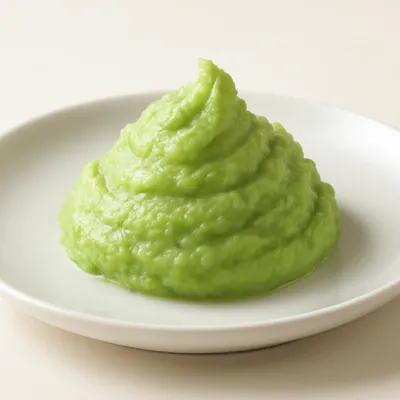
How it's made
7 steps · 1 hour 15 min active + 45 min waiting
- 115 min
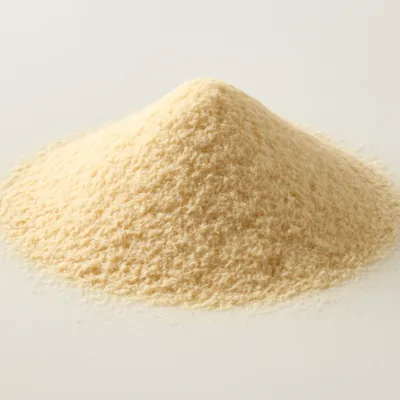
Mill or buy fresh high-buckwheat flour (80–100 percent buckwheat); combine with a small amount of wheat flour if using nihachi.
- 215 min
Add cold mountain-cold water gradually, mixing into crumbs then kneading quickly into a smooth, firm dough before the buckwheat dries.
Watch outAdd water in stages and stop when the crumbs just clump — high-buckwheat dough wants slightly less water than a wheat dough.
- 315 min
Roll the dough thin and even, fold, and cut into fine, uniform strands with a soba knife.
- 42 min
Boil the noodles in a large volume of hard-boiling water for about 60–90 seconds until just done.
Watch outPull the noodles the moment they float and turn just done — a few seconds too long and they go soft.
- 53 min
Drain and shock in cold water, rubbing the strands to firm them, then drain again.
Watch outRub the strands under cold water — the chill and friction firm them and set the snap.
- 65 min
Gather the noodles into five or six small one-bite coils and arrange them in a row on a flat draining zaru (bocchi-mori).
- 75 min
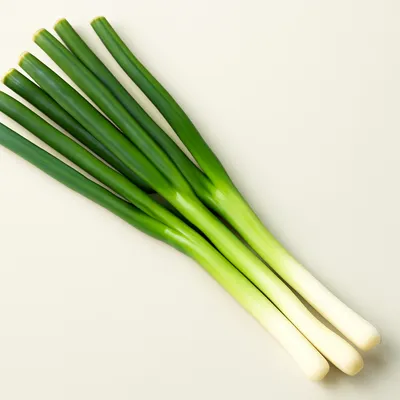
Serve with chilled soy-dashi tsuyu, grated Togakushi daikon, fresh wasabi, and chopped negi; finish the meal by drinking the hot sobayu (cooking water) mixed into the leftover tsuyu.
Archive tool suggestions — not reviewed
These legacy suggestions have not been evidence-reviewed and are not presented as required tools.


