
A fruit sando (furutsu sando) is a chilled sandwich of soft milk bread (shokupan) filled with lightly sweetened whipped cream and fresh fruit. The crusts are trimmed and the fruit—commonly strawberries, kiwi, mandarin segments or a mix—is arranged so that a clean diagonal cut reveals a deliberate, photogenic cross-section. It is eaten cold, treated more as a dessert or light snack than a meal, and is a fixture of both old-style fruit parlors and the modern convenience store. The whole thing balances pillowy bread, cool cream and juicy fruit.




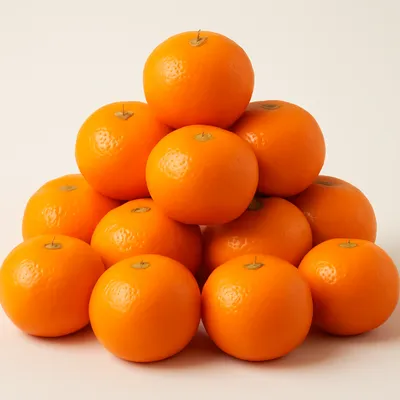
The fruit sando grew out of Japan's fruit-parlor culture, which took shape in the Taisho era (1912-1926) as fresh fruit—long an expensive gift item—became more widely available. Long-established fruit purveyors such as Tokyo's Sembikiya (trading from 1868) and Kyoto's Yaoiso (from 1869) ran parlors serving fruit in Western-style preparations, and the cream-and-fruit sandwich emerged from this milieu. The exact date the sandwich first appeared is unrecorded; a Ginza Sembikiya representative has estimated it likely took hold around the 1940s, but this is not firmly documented. It later spread from upscale parlors to the everyday convenience store, where packaged fruit sando became a year-round staple.
Done right, it is all soft textures in concert: bread so tender it nearly dissolves, cream that is cold and barely sweet, and fruit that bursts with juice and supplies most of the flavor and acidity. The pleasure is partly visual—the neat cross-section of red strawberry, green kiwi and orange mandarin set in white cream—and partly the contrast of cool, creamy and crisp-juicy in one bite. It must be eaten cold and fresh. A bad one is soggy where fruit juice has leached into the bread, or bland, with under-ripe fruit and over-sweetened cream that just tastes of sugar.
Three things make the sandwich work: the bread, the cream, and managing moisture. Shokupan is enriched with milk, butter and a little sugar and often made with a cooked-flour starter (yudane or tangzhong) that pre-gelatinizes some of the starch so it holds extra water—giving the soft, moist, slightly sweet crumb that defines the sando. The cream is whipped to firm but not grainy peaks so it sets up cold and holds the fruit in place during the cut. Moisture is the enemy: the fruit is patted dry, sometimes the bread is lightly coated with cream as a barrier, and the assembled sandwich is chilled and pressed before slicing so the cream firms and the layers compress into a clean block. A sharp knife, often warmed, gives the tidy cross-section.
Variations
Fillings shift with the season and the shop: an all-strawberry sando, a mixed sando of strawberry, kiwi and mandarin, or single-fruit luxury versions built around a whole peach, melon, muscat grapes or fig. High-end fruit-parlor versions use prized, perfectly ripe fruit and a richer cream; convenience-store versions are affordable and uniform. The cream itself may be plain whipped cream, a custard-cream blend, or cream folded with a little mascarpone or yogurt. The same idea extends to fruit-and-cream filled rolls and to the savory cousin, the egg-salad tamago sando.
On the Palate
Where Fruit Sando sits in the Japanese flavor cloud
Ingredients
Serves 2How it's made
7 steps · 20 min
- 16 min
Whip the cold cream with a little sugar to firm but smooth peaks, and keep it chilled.
Watch outWhip the cream to firm but smooth peaks — under-whipped it oozes and the fruit slides when you cut; over-whipped it goes grainy.
- 28 min
Hull and pat the strawberries dry; peel and slice the kiwi and separate the mandarin into segments, patting all the fruit dry.
Watch outPat every piece of fruit thoroughly dry — surface moisture weeps into the cream and bread and turns the sando soggy.
- 34 min
Lay out slices of soft milk bread and spread an even layer of cream over each.
- 46 min
Arrange the fruit on one slice, placing pieces where the diagonal cut will pass through them for the best cross-section, and fill any gaps with more cream.
- 52 min
Top with a second cream-spread slice and press gently to seat the layers.
- 660 min
Wrap each sandwich tightly in plastic, mark the intended cut direction, and chill until the cream is firm.
Watch outChill the wrapped sandwich until the cream is firm before cutting — cut it soft and the layers smear and the clean cross-section is lost.
- 75 min
Trim off the crusts with a sharp, warmed knife, then cut the sandwich on the diagonal to reveal the cross-section.
Archive tool suggestions — not reviewed
These legacy suggestions have not been evidence-reviewed and are not presented as required tools.


