Jiro-kei (Jiro-style) ramen is a brutally rich, oversized bowl that has become its own genre of Japanese ramen. The build is fixed: extra-thick, flat, chewy wheat noodles; a heavy emulsified pork-bone-and-back-fat soy broth; a steaming mountain of boiled bean sprouts and cabbage; thick slabs of fatty stewed pork called buta; and a free hit of raw chopped garlic and rendered back-fat. It is ordered by chant: as the bowl is plated the cook asks 'Ninniku iremasu ka?' ('Do you want garlic?'), and the customer calls back the free toppings they want piled on. Born from the cult chain Ramen Jiro, the style is now copied by hundreds of independent 'inspired' shops across Japan and is treated by fans as a category unto itself rather than as ordinary ramen.





The style descends from Ramen Jiro (Ramen Jiro), founded by Takumi Yamada, who opened his first shop in 1968 in the Toritsu-daigaku area of Meguro, Tokyo. Yamada had trained as a Japanese-cuisine cook, not a ramen maker; his early bowls were lighter, and the now-famous heavy style developed with help from a neighboring Chinese restaurant. In the early 1970s the shop moved to Mita, right beside Keio University, where it became a cult favorite of hungry students; on Yamada's blunt prompting they kept asking for more meat, more vegetables, more garlic and more fat, and the giant 'Jirolian' bowl took shape. The name itself is an accident: the sign painter for the Mita shop was meant to write the kanji for 'Jiro' as in a personal name but wrote a different same-sounding pair of characters, and Yamada simply left it. The chain grew to roughly forty shops, mostly around Tokyo.
It hits before you taste it: a wall of garlic and pork fat rising off a bowl too big to lift. The broth is thick and clinging, sweet with rendered fat and punchy with raw soy, and the chopped garlic stays sharp and crunchy on top. The noodles are enormous and dense, more like chewing through fat ropes of dough than slurping; the sprouts and cabbage come hot and barely cooked, snapping under the heaviness; the slabs of buta fall apart into fat and savory shreds. Halfway through, the back-fat coats everything and the bowl turns relentless.
Three things make the bowl work as one heavy whole. The broth is boiled hard, not gently simmered: pork leg bones, backbone and back-fat are cooked at a rolling heat for hours so collagen converts to gelatin, and that gelatin emulsifies the rendered fat into the water, giving the white, clinging body that defines Jiro-style soup. Against that fat sits a strong soy-and-mirin tare and a heap of raw garlic, whose sharp allyl compounds are only partly tamed by the fat, so the bowl reads punchy rather than merely greasy. The noodles are made from a high-protein 'strong' flour at very low hydration (around 30 percent water), so the dense gluten network resists going soft and the thick, flat strands survive the brutal soup with a chewy, almost raw-dough bite. The mound of boiled sprouts and cabbage adds bulk, water and a crisp counter that keeps the fat from becoming unbearable.
Variations
Ramen Jiro's own branches each tune the bowl differently, and beyond them a whole nationwide wave of independent 'inspire-kei' shops copy the style without using the name. The biggest split is broth texture: heavily emulsified (nyuka) bowls are thick, sweet and unified, while non-emulsified (hi-nyuka) bowls keep the pork stock and the soy tare separate for a sharper, 'drinking soy sauce' punch. The ordering ritual is part of the dish: customers call out free top-ups as 'yasai, ninniku, abura, karame' (vegetables, garlic, back-fat, extra-strong tare), each optionally doubled as 'mashi' or piled as 'mashi-mashi.' Home and convenience-store versions abound, and fans only half-joke that 'Jiro is not ramen, Jiro is Jiro.'
On the Palate
Where Jiro-kei Ramen sits in the Japanese flavor cloud
Ingredients
Serves 2

How it's made
8 steps · 1 hour
- 1240 min
Make the broth: cover pork leg bones and backbone with cold water, bring to a hard rolling boil, and cook several hours, topping up water and skimming the first scum; add a knob of pork back-fat to render in.
Watch outBoil the broth hard, not gently — the rolling heat is what emulsifies the rendered fat into the water to give the white, clinging Jiro body.
- 290 min
About 90 minutes before the broth is done, lower in a block of pork shoulder or belly for the buta; simmer until a skewer slides through, then lift it out.
- 360 min
Make the tare: warm dark soy sauce with mirin (and a little sugar) and steep the cooked pork block in it for an hour or more so the tare drinks up the meat's savor; reserve the buta and the soy tare.
- 430 min
Render and chop the back-fat (abura): simmer a piece of back-fat until soft, then chop or crush it into coarse fatty lumps.
- 55 min
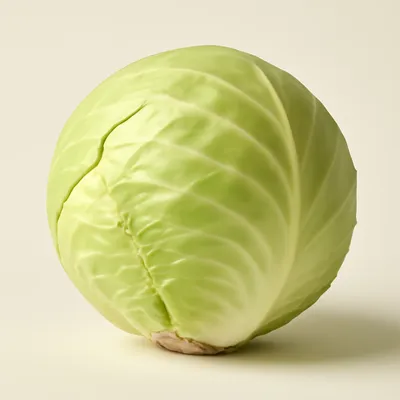
Pile a tall mound of bean sprouts with shredded cabbage and boil hard for a couple of minutes so they stay hot and crisp, then drain well.
- 68 min
Boil the extra-thick wheat noodles in plenty of water; because they are low-hydration they take longer, so cook to a firm, chewy core rather than soft.
Watch outCook the extra-thick low-hydration noodles to a firm chewy core — they take longer than normal noodles, so pull them chewy, not soft.
- 72 min
Build the bowl: spoon soy tare into the bottom, pour over the hot emulsified broth, and lay in the drained noodles.
- 83 min
Crown it: heap the boiled sprouts and cabbage on top, lean in thick slabs of buta, and finish with the back-fat lumps; at serving, add raw chopped garlic to taste, calling the 'yasai-ninniku-abura-karame' order.
Archive tool suggestions — not reviewed
These legacy suggestions have not been evidence-reviewed and are not presented as required tools.