Wakayama Ramen is the pork-bone-and-soy noodle bowl of Wakayama City, in the Kansai region south of Osaka — though locals almost never call it ramen, ordering it instead as chuka soba (Chinese soba). The soup is tonkotsu-shoyu: a long-boiled pork-bone broth darkened and seasoned heavily with soy, ranging from clear and soy-forward to cloudy and rich depending on the lineage. It is served over thin, straight noodles with chashu, fish cake, bamboo shoots, and scallion. The defining ritual is what sits on the table while you eat: pressed mackerel sushi and boiled eggs that diners help themselves to, paying on the honor system by declaring what they ate.
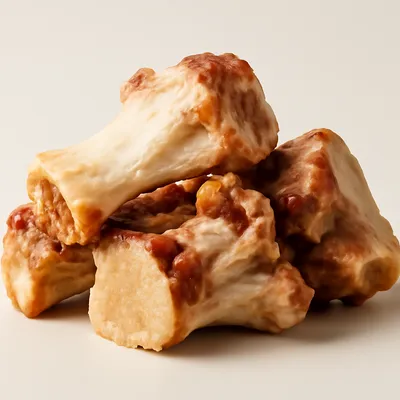




Wakayama's chuka soba traces to the prewar street stalls of Wakayama City, with the yatai 'Marutaka' often cited as starting around 1940 near Takamatsu, building dashi from bonito and dried sardine simmered in soy; pork bones entered the broth only after the Pacific War, helped by nearby Yuasa, a historic soy-sauce town, and easy access to pork, chicken bones, and seafood. Postwar, stalls clustered by the streetcar depot at Shako-mae, giving the older, clearer, soy-forward 'Shako-mae' lineage its name. In 1953 Tsuyako Ide, an ice wholesaler trading as Ide Shoten, began selling chuka soba; pushing the broth harder over high heat for more body, she arrived at the cloudy, richer tonkotsu-shoyu now called the 'Ide' lineage. The name 'Wakayama ramen' itself only spread from the late 1990s — cemented in 1998 when a national TV contest crowned Ide Shoten Japan's best ramen, after which it opened a branch in the Shin-Yokohama Ramen Museum.
The first thing you notice is the broth's split personality: it smells of soy and roasted pork bone, lands savory and a touch salty, and finishes either lean and clean (Shako-mae) or thick and clinging (Ide). Thin straight noodles arrive firm and slip down fast, so bowls are smaller and the meal is paced by the table itself — you reach for a vinegared mackerel hayazushi or a boiled egg between mouthfuls. There is no printed bill; you simply tell the staff how many bowls, sushi, and eggs you had, and the count of empty plates settles the tab on trust.
Wakayama broth lives on a single dial — how hard and how long the pork bones boil. The clear Shako-mae style keeps the heat gentler so collagen dissolves into gelatin without fully emulsifying the fat, leaving a translucent soup whose flavor leans on the soy tare; the cloudy Ide style holds a hard rolling boil for hours, shearing collagen and fat into an oil-in-water emulsion that scatters light and reads richer and rounder on the palate. Either way the soy tare does the heavy lifting on umami: soy sauce contributes free glutamate and a deep browned aroma from its own fermentation, which the long-cooked bones back with gelatin for body and amino acids for savor. The thin, high-alkaline noodles set quickly and resist bloating, so they stay springy in hot soup — and the table's vinegared mackerel sushi, sharp and acidic, resets the palate against the fatty broth between bowls.
Variations
The two named lineages anchor the spectrum — Shako-mae (also tied to the older Marutaka line) clear and soy-forward, Ide cloudy and pork-rich — and many city shops sit somewhere between them. Within Wakayama the clearer style is actually the majority despite Ide's national fame. The table ritual varies too: the classic spread is saba hayazushi, but maki-zushi rolls and boiled eggs are common, and shops increasingly print or itemize the bill rather than rely purely on self-declaration. Bowls are typically finished with chashu, kamaboko or naruto fish cake, menma, and chopped scallion; some add bean sprouts or a soft egg.
On the Palate
Where Wakayama Ramen sits in the Japanese flavor cloud
Ingredients
Serves 4


How it's made
8 steps · 40 min
- 120 min
Blanch the pork bones: cover with cold water, bring to a boil, then drain and rinse off the grey scum to keep the final broth clean.
Watch outBlanch the bones, then drain and rinse off the grey scum — skipping this clouds the final broth with off-flavor no matter how long you cook it.
- 2540 min
Return the bones to a clean pot, cover with fresh water, and simmer for at least 8-10 hours, skimming as needed — keep a gentle simmer for a clearer Shako-mae soup, or a hard rolling boil for a cloudy, emulsified Ide-style soup.
Watch outChoose your boil: a gentle simmer stays clear and soy-led, a hard rolling boil emulsifies the fat into a cloudy, richer soup — the one dial that defines the style.
- 310 min
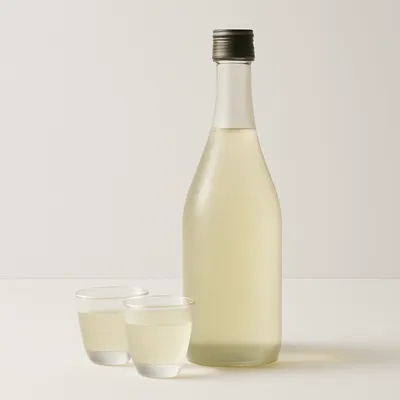
Make the soy tare: warm soy sauce with mirin and sake (and a little of the broth) to round the saltiness, then set aside.
- 415 min
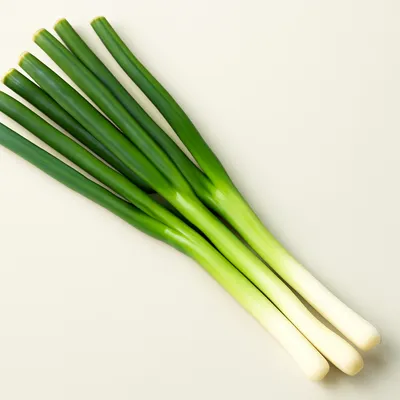
Prepare the toppings: slice the chashu, fish cake, and bamboo shoots, finely chop the scallion, and shell the boiled eggs.
- 53 min
Boil the thin straight noodles in plenty of water until just firm, about 1-2 minutes, then drain well so they don't dilute the soup.
Watch outBoil the thin noodles just 1–2 minutes to firm, then drain well — leave water on them and it dilutes the broth you worked hours for.
- 62 min
Build each bowl: spoon soy tare into the bowl, fill with hot pork broth, taste, and adjust seasoning.
- 72 min
Lower in the drained noodles and arrange the chashu, fish cake, bamboo shoots, egg, and scallion on top.
- 81 min
Serve immediately, with pressed mackerel sushi and extra boiled eggs alongside in the Wakayama style.
Archive tool suggestions — not reviewed
These legacy suggestions have not been evidence-reviewed and are not presented as required tools.