

Nagoya specialty, codified post-war (late 1940s onward) at a restaurant called Yabaton, founded 1947 by Suzuki Yoshio — whose origin legend has a customer (Suzuki himself) dipping a deep-fried kushikatsu skewer into a pot of dote-ni (offal simmered in mame-miso) at a postwar street stall, then commercializing the idea. Hatcho miso itself is a local Aichi product made in the town of Hatcho in Okazaki since at least the Edo period — fermented from soybeans alone, no rice koji, aged 2–3 years.
Codified post-1948 at Misonikomi Yabaton in Nagoya, building on the existing Aichi habit of dousing dengaku and oden in Hatcho miso. Hatcho is rice-koji-free, aged 2–3 years in town of Hatcho — too punishing straight on hot katsu, so the sauce gets buffered with dashi, sugar, and mirin until it coats a spoon.
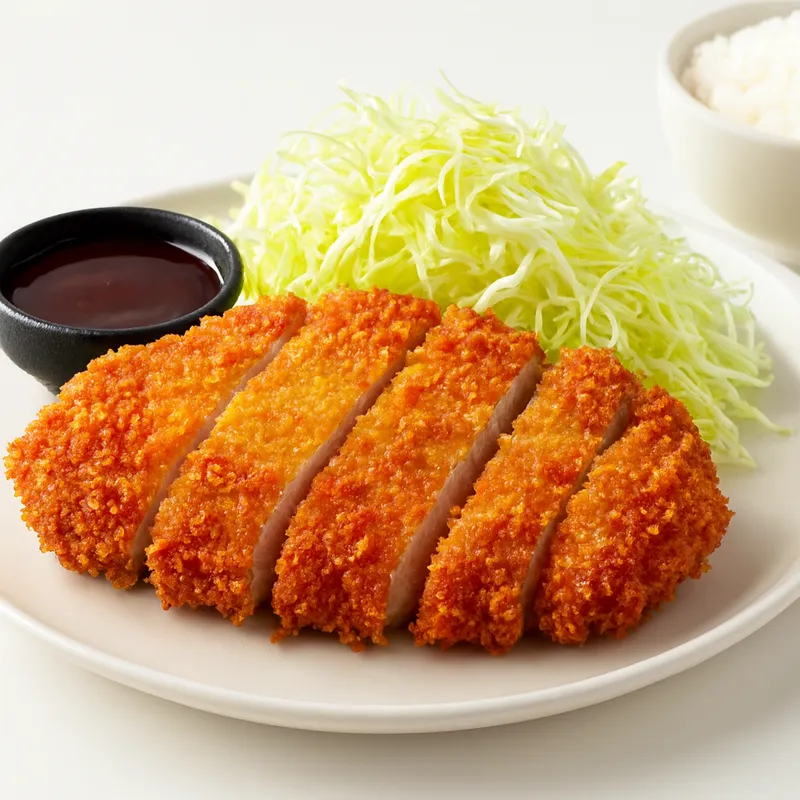
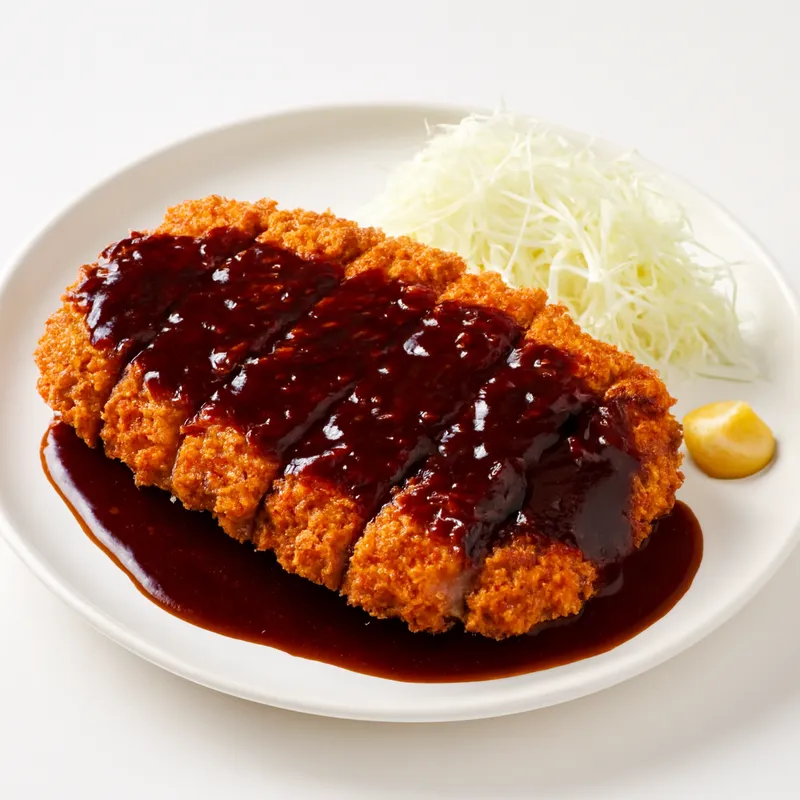
A breaded pork cutlet, crisp on the outside, draped or pooled in a thick dark-brown sauce — Hatcho miso reduced with dashi, sugar, and mirin until almost gravy-thick. Served on shredded cabbage with rice; the sauce stains the rice through. The miso here is much darker and saltier than Saikyo white miso; the sweetness has to come from the sugar in the reduction.
Hatcho miso is rice-koji-free and aged long enough that its fermentation produces darker melanoidins and a sharper edge than standard miso — straight on hot katsu it would be punishing. The reduction with dashi and sugar buffers it; the sauce should coat a spoon-back. Pour the sauce on the cutlet at the last moment — if the breading sits in sauce more than a minute, the crust goes soft and the dish loses its main contrast.
Variations
Yabaton is the codified parent; Misokatsu Kaorin is another Nagoya house frequently cited; Tokyo chains often dilute Hatcho with white miso, which Nagoya regulars consider a tell.
On the Palate
Where Miso Katsu sits in the Japanese flavor cloud
Pour the reduced hatcho-miso sauce over the cutlet at the very last moment — let the breading sit in sauce more than a minute and the crust goes soggy, losing the crisp-against-savory contrast that is the whole dish.
Ingredients

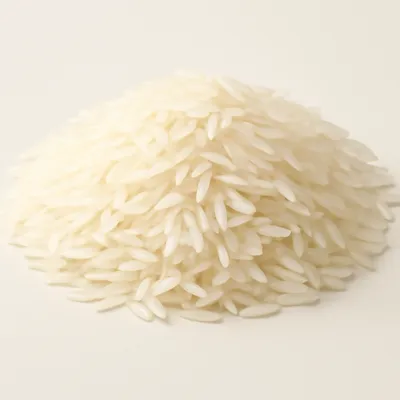

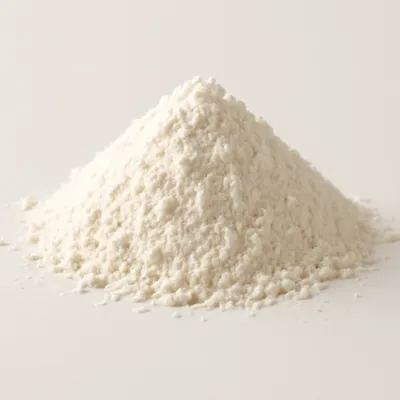
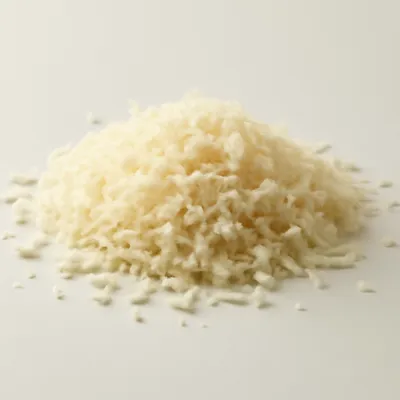


How it's made
4 steps · 30 min
- 110 min
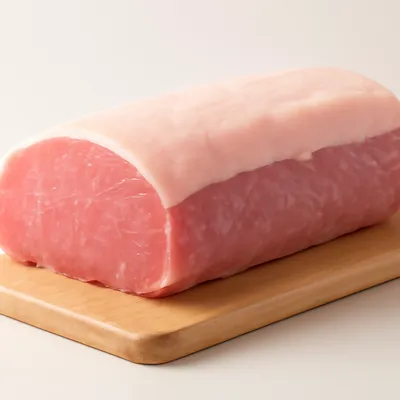
Pound the pork loin to an even thickness. Season lightly with salt. Dredge in flour, dip in beaten egg, and coat thoroughly with panko breadcrumbs.
- 210 min
Heat oil in a deep pan to 170°C (340°F). Gently lower the breaded pork into the oil, frying until golden brown and cooked through.
Watch outOil steady at 170°C; the cutlet is done when it's deep golden and floats a little higher.
- 35 min
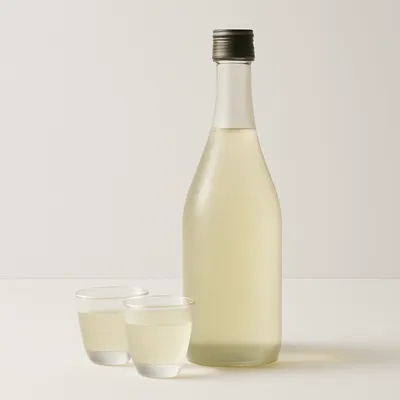
In a saucepan, combine hatcho miso, sugar, mirin, sake, and bonito flakes. Heat gently, stirring until the sugar dissolves and the sauce is smooth.
Watch outReduce until the sauce is smooth and just coats a spoon-back, sugar fully dissolved.
- 45 min
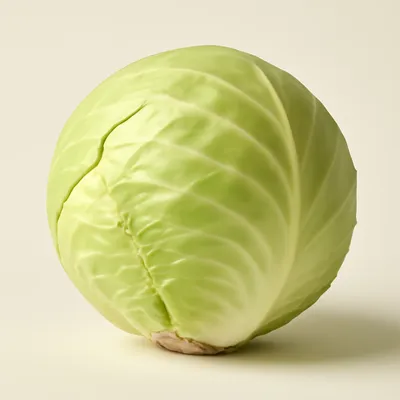
Slice the cooked katsu into strips and drizzle with the warm miso sauce. Serve with shredded cabbage on the side.
Watch outDrizzle the warm sauce on only at the last moment so the crust stays crisp.
Archive tool suggestions — not reviewed
These legacy suggestions have not been evidence-reviewed and are not presented as required tools.