HitsumabushiMiso KatsuKishimenAnkake Spaghetti
Japan / Chūbu (Nagoya)

Nagoya

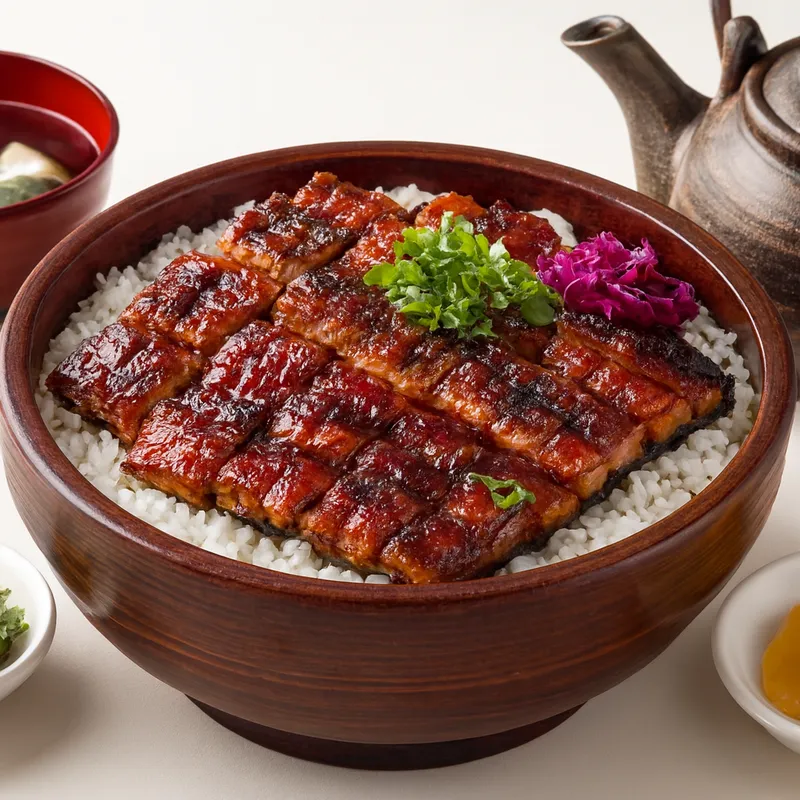
Hitsumabushi: grilled eel, savory rice.

13 dishes · 66 ingredients · 11 techniquesReference
Signature·Ingredient

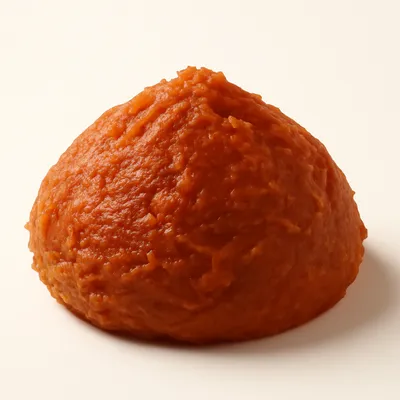
Hatchō miso

Hatchō miso, a robust red miso, defines Nagoya's cuisine with its deep umami and hearty flavor.

View page →

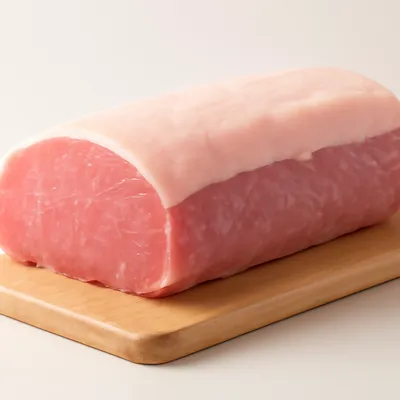
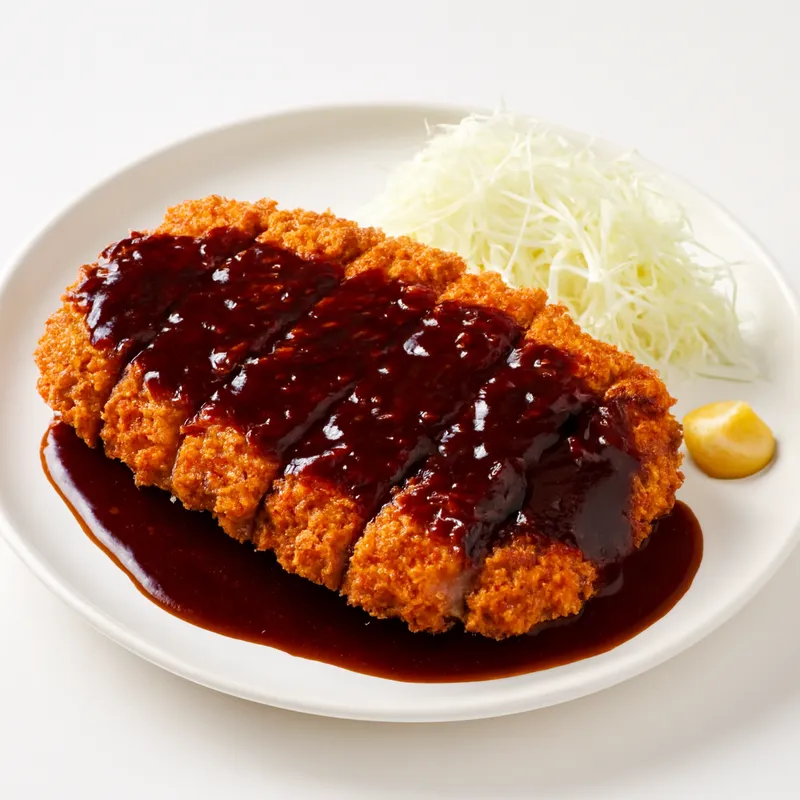
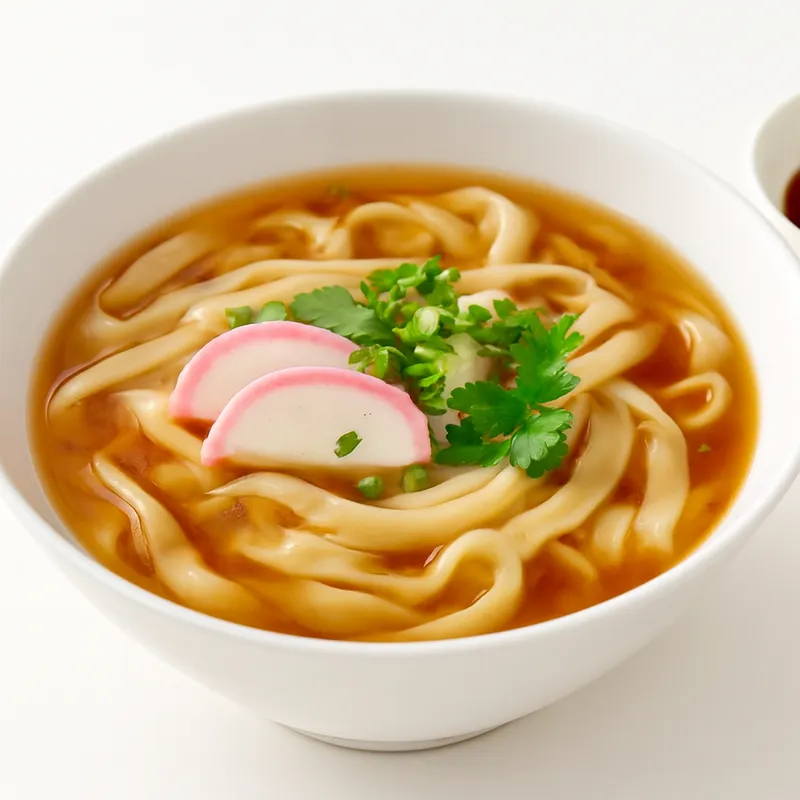
Nagoya, in central Japan, builds much of its cooking on hatcho miso, a dark, intense soybean paste aged for years. It shows up in miso katsu, a breaded fried pork cutlet under a thick, sweet-savory miso sauce, and in miso nikomi udon, chewy noodles simmered in a miso broth. The local style is collectively nicknamed Nagoya-meshi and includes tebasaki, fried chicken wings glazed and dusted with pepper; hitsumabushi, grilled eel over rice eaten in three stages, the last poured over with broth; and kishimen, a flat udon in dashi. Sweet-savory red-bean touches turn up too, as in ogura toast, buttered toast spread with sweet azuki paste.

The Palate

HeatRichnessComplexityFermentFreshness

Start Here

Hitsumabushi

Hitsumabushi is a multi-sensory delight where grilled eel is savored in three distinct ways.

Why start here · Hitsumabushi encapsulates Nagoya's unique approach to transforming a single ingredient into an entire experience.

Miso Katsu

Miso Katsu is a crispy pork cutlet draped in rich, umami-laden Hatcho Miso sauce.

Why start here · Miso Katsu showcases the region's signature use of Hatcho Miso, a cornerstone of Nagoya's flavor profile.

Kishimen

Kishimen offers a silky noodle experience with a gentle, dashi-infused broth that soothes the palate.

Why start here · Kishimen highlights the balance between richness and subtlety, central to Nagoya cuisine.

The Pantry

See all 66 ingredients

How They Cook

Techniques that define this cuisine

See 7 more techniques

Other regions

Siblings within Japanese — each its own tradition.

Kanto
32

Edo-rooted: nigiri sushi, soba, tempura — soy-saturated, crisp, decisive.

Kyushu
23

Hakata tonkotsu, motsunabe, mentaiko — pork-bone richness and pungent ferments.

Osaka
21

Kuidaore — eat till you drop. Street-food driven, dashi-light cooking.

Hokkaido
20

Northern seafood and dairy meet miso ramen and grilled mutton.

Tohoku
20

Cold-country cooking. Miso, pickles, beef tongue, rice sticks.

Kyoto
19

Kaiseki and shōjin — plant-forward, refined, the table as quiet ritual.

Hiroshima
17

The cooking of the Seto Inland Sea and the Chugoku coast — Hiroshima's layered, noodle-stuffed okonomiyaki, the region's prized oysters in every form, Onomichi's back-fat ramen and Hiroshima's fiery tsukemen, Shimonoseki pufferfish, and Izumo's three-tier soba.

Shikoku
16

The four-prefecture island of udon and bonito — Kagawa's springy Sanuki udon (Japan's udon capital), Kochi's seared katsuo tataki and big-platter sawachi feasts, Ehime's sea bream over somen, and Tokushima's mountain soba.

Hokuriku
15

The Sea-of-Japan coast of crab and koji — Kanazawa's refined jibuni and fermented kabura-zushi, Toyama's pressed trout sushi and jet-black ramen, Fukui's sauce katsudon and grated-daikon soba, and Niigata's Koshihikari rice.

Shinshu
14

The landlocked central mountains of Nagano — buckwheat soba in every form (Togakushi, sansai), griddled oyaki buns, walnut-miso gohei mochi, foraged mountain vegetables and insect protein (inago), and the deep Shinshu rice-miso that flavours it all.

Okinawa
13

Ryūkyūan kitchen — goya, rafute, awamori. Distinct from mainland Japan.

Signature Dishes (13)

Browse all 13 dishes