ChawanmushiSaikyo-yaki Black CodYudofuDashimaki Tamago
Japan / Kansai (Kyoto)

Kyoto

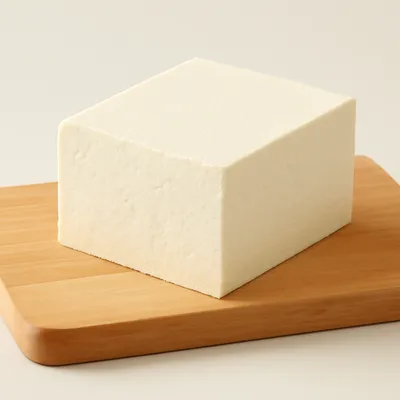
Yudofu: simmered tofu, gentle broth.

19 dishes · 77 ingredients · 13 techniquesReference
Signature·Meal format

kaiseki

Kaiseki is a multi-course dining experience that reflects Kyoto's emphasis on seasonality, simplicity, and presentation.

View page →

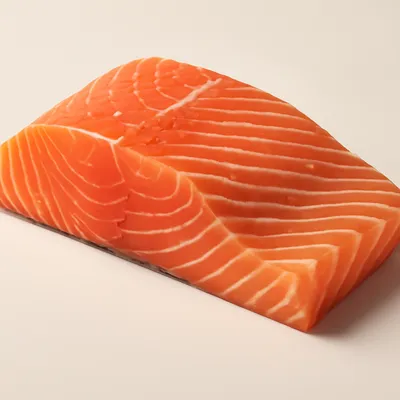
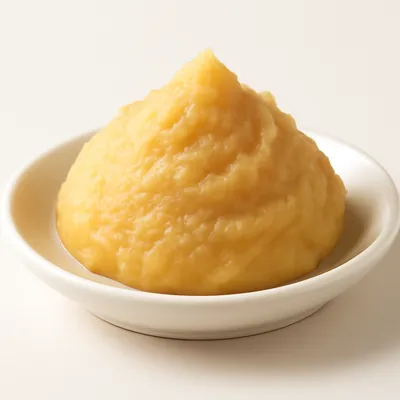
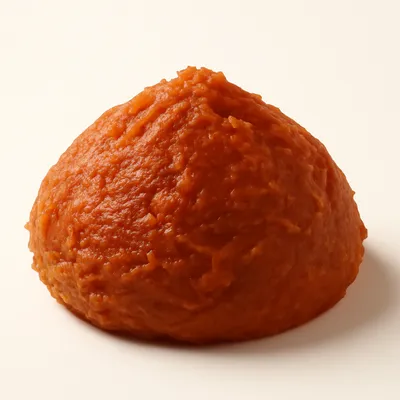
Yudofu is tofu simmered gently in a kombu broth, the blocks barely jostled by the water so they stay soft — a plain dish that suits Kyoto's restraint. Saikyo-yaki black cod is marinated in sweet white miso until the flesh turns rich and buttery, the marinade leaving a delicate sweetness behind.

Among Japan's regional kitchens, Kyoto cooking is known for its refined simplicity, a result of the city's long role as the center of Japanese culture. The careful use of dashi, as in chawanmushi (savory steamed egg custard), and the preference for seasonal ingredients point to a cuisine built on balance. These dishes aren't only about sustenance; they carry Kyoto's aesthetic ethos, where each bite is treated as a moment of attention to beauty.

The Palate

HeatRichnessComplexityFermentFreshness

Start Here

Chawanmushi

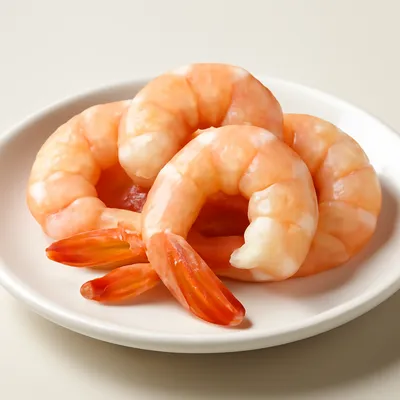
A silky steamed egg custard with hidden treasures of shrimp, chicken, and ginkgo.

Why start here · It epitomizes Kyoto's subtle use of dashi and seasonal ingredients.

Saikyo-yaki Black Cod

Grilled to perfection, the cod is marinated in sweet Saikyo miso for a melt-in-the-mouth experience.

Why start here · Showcases the region's mastery of balancing sweetness and umami.

Yudofu

A simple yet soul-warming dish of tofu simmered with kombu.

Why start here · Embodies Kyoto's minimalist approach and reverence for pure flavors.

The Pantry

See all 77 ingredients

How They Cook

Techniques that define this cuisine

See 9 more techniques

Other regions

Siblings within Japanese — each its own tradition.

Kanto
32

Edo-rooted: nigiri sushi, soba, tempura — soy-saturated, crisp, decisive.

Kyushu
23

Hakata tonkotsu, motsunabe, mentaiko — pork-bone richness and pungent ferments.

Osaka
21

Kuidaore — eat till you drop. Street-food driven, dashi-light cooking.

Hokkaido
20

Northern seafood and dairy meet miso ramen and grilled mutton.

Tohoku
20

Cold-country cooking. Miso, pickles, beef tongue, rice sticks.

Hiroshima
17

The cooking of the Seto Inland Sea and the Chugoku coast — Hiroshima's layered, noodle-stuffed okonomiyaki, the region's prized oysters in every form, Onomichi's back-fat ramen and Hiroshima's fiery tsukemen, Shimonoseki pufferfish, and Izumo's three-tier soba.

Shikoku
16

The four-prefecture island of udon and bonito — Kagawa's springy Sanuki udon (Japan's udon capital), Kochi's seared katsuo tataki and big-platter sawachi feasts, Ehime's sea bream over somen, and Tokushima's mountain soba.

Hokuriku
15

The Sea-of-Japan coast of crab and koji — Kanazawa's refined jibuni and fermented kabura-zushi, Toyama's pressed trout sushi and jet-black ramen, Fukui's sauce katsudon and grated-daikon soba, and Niigata's Koshihikari rice.

Shinshu
14

The landlocked central mountains of Nagano — buckwheat soba in every form (Togakushi, sansai), griddled oyaki buns, walnut-miso gohei mochi, foraged mountain vegetables and insect protein (inago), and the deep Shinshu rice-miso that flavours it all.

Nagoya
13

Hatchō red miso runs through everything — hearty, bold, stick-to-your-ribs.

Okinawa
13

Ryūkyūan kitchen — goya, rafute, awamori. Distinct from mainland Japan.

Signature Dishes (19)

Browse all 19 dishes