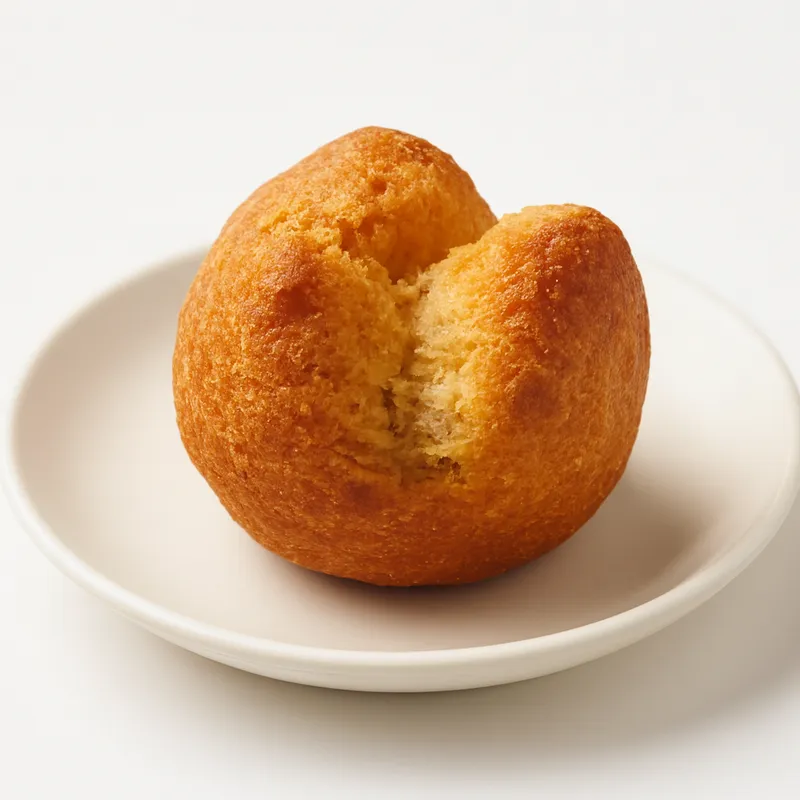
Soft, chewy rice cakes filled with sweetened red bean paste.



Pounded mochi (mochitsuki) is documented in Japan from the Heian period (794–1185) as a New Year offering at Shinto shrines — the round shape echoes mirrors offered to the kami. Daifuku (大福, the bean-filled pocket form) emerges in the late Edo period (late 18th century) as a street snack in Edo, originally called harabuto-mochi (belly-stuffer mochi); the auspicious daifuku rebranding was a vendor's marketing move.
Daifuku — pounded mochigome rice wrapping anko, dating to Edo's 1771 'taiko-mochi.' The skin should stretch, not snap; over-dusted katakuriko means stale.
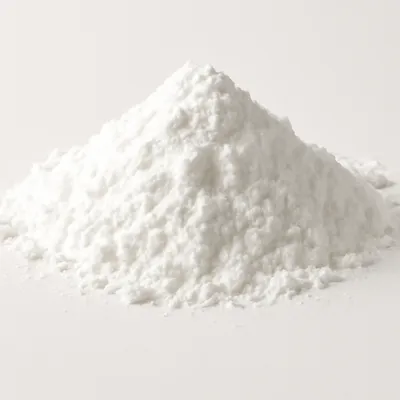
A round white pillow of pounded glutinous rice, dusted with starch so it doesn't stick, hiding a center of sweet red-bean paste. The skin pulls long when you bite, the filling is denser and grainier. Best at room temperature; cold mochi seizes up, warm mochi over-stretches. One piece is a small-tea portion — two is dessert.
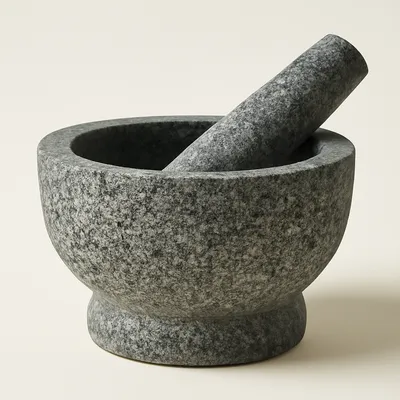
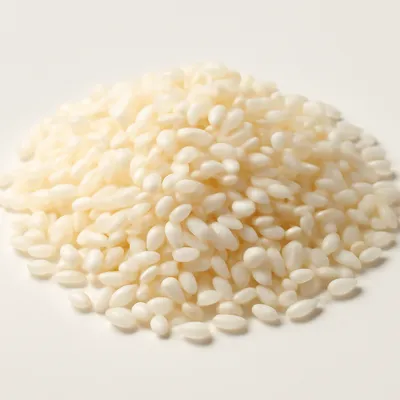
The skin's stretch comes from amylopectin — glutinous rice (mochigome) is nearly 100% amylopectin, vs ~80% in regular short-grain. Pounding aligns the long branched chains into a cohesive matrix; the wood-mortar-and-mallet method (usu and kine) gives a finer texture than mixer-made gyuhi. Two-day-old mochi crystallizes hard — fresh-pounded is the standard, which is why mochi shops still pound to order on New Year.
Variations
Tsubuan daifuku (whole bean); koshian (smooth); ichigo-daifuku (whole strawberry inside, invented c.1985 and generally credited to Daikaku Tamaya in Shinjuku, Tokyo); yomogi-mochi (mugwort green); mame-daifuku (red pea studded into the skin, classic of Tokyo's Gunrin-do in Otowa).
On the Palate
Where Mochi with Red Bean Paste sits in the Japanese flavor cloud
Ingredients
How it's made
3 steps · 9 min
- 13 min
Dust your work surface with cornstarch to prevent sticking. Take a piece of mochi and flatten it into a disc with your hands, ensuring an even thickness.
Watch outPress to an even round about a centimeter thick — thin spots blow out, thick centers stay stodgy.
- 24 min
Place a small ball of red bean paste in the center of the mochi disc. Carefully fold the edges over the filling, pinching to seal and form a smooth ball.
Watch outGather all the edges up over the paste and pinch the seam firmly shut, twisting off any excess so it holds.
- 32 min
Roll the mochi ball gently in your hands to smooth out any seams and create a uniform shape. Dust with additional cornstarch if needed.
Watch outRoll seam-side down between cupped palms until the surface is smooth and round with no cracks showing.
Archive tool suggestions — not reviewed
These legacy suggestions have not been evidence-reviewed and are not presented as required tools.