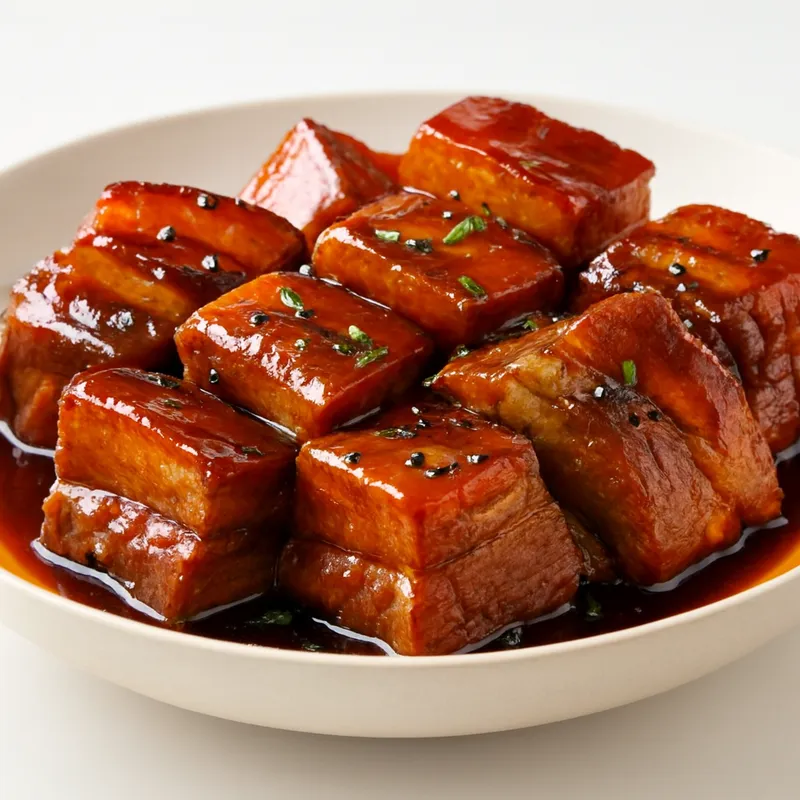
A melt-in-your-mouth pork dish that showcases slow-cooked richness with a hint of sweetness.



Dates to the Ryukyu Kingdom court cookery of the 17th-18th century, served at royal banquets in Shuri Castle and recorded in "Gozen Honzo" (御膳本草), a 1832 food-medicine treatise compiled by the Okinawan physician Tokashiki Tsukan Pork was central to Ryukyuan cuisine through trade with Fujian, China — the technique parallels Chinese hong-shao rou but uses awamori, brown sugar (kokuto from Okinawan sugarcane), and longer simmering. Became home food after the kingdom fell in 1879.
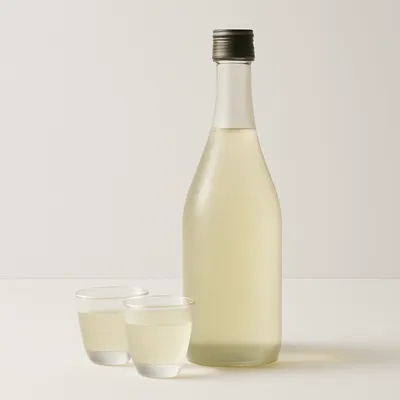
Ryukyu court cookery from the 17th–18th century, recorded in the 18th-century Gozen Honzo and served at Shuri Castle. The technique parallels Chinese hong-shao rou but uses awamori (Okinawan rice spirit, 30–40% ABV) and kokuto (Okinawan unrefined cane sugar) — awamori cuts pork fat harder than sake, kokuto gives the mineral edge.
Cubes of pork belly, skin-on, simmered until the fat is translucent jelly and the lean is pull-apart soft, glazed in a dark soy-awamori-brown sugar reduction. The skin should yield to chopsticks alone. Served warm with a smear of mustard or grated ginger, often over rice. Awamori (Okinawan rice spirit) instead of sake is what separates rafute from mainland kakuni — gives a rougher, deeper note.
The pork is parboiled twice before braising — first to remove blood scum, second after a 30-minute rest in cold water that tightens the skin. Awamori's higher alcohol (30-40% vs sake's 15%) and koji-fermented base cuts pork fat more aggressively than sake, which is why the finished dish reads cleaner despite the long simmer. Kokuto sugar (not refined brown) gives that mineral edge.
Variations
Naha home-style rafute leans sweeter on kokuto; Ishigaki version uses awamori-kusu (aged spirit) for a deeper note; mainland kakuni at a Yokohama Chinatown shop swaps awamori for shaoxing and kokuto for rock sugar; Shuri-restored court versions like at Mie Mansaku run the longest 6-hour braise.
On the Palate
Where Rafute sits in the Japanese flavor cloud
Ingredients


How it's made
4 steps · 32 min active + 1 hour 45 min waiting
- 110 min
Cut the pork belly into large, even chunks, leaving the skin on for texture. Place in a pot and cover with cold water. Bring to a boil over high heat, skimming off any scum that rises to the surface, about 10 minutes.
Watch outSkim patiently for the full 10 minutes — get all the grey scum off now, while the water's clear, and the finished sauce stays clean.
- 25 min
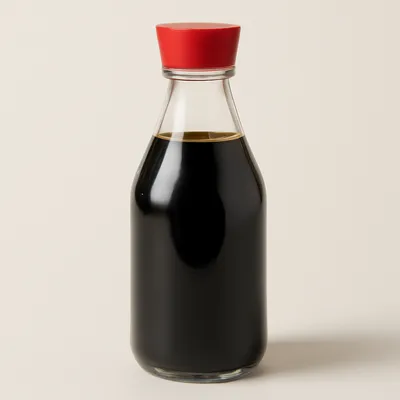
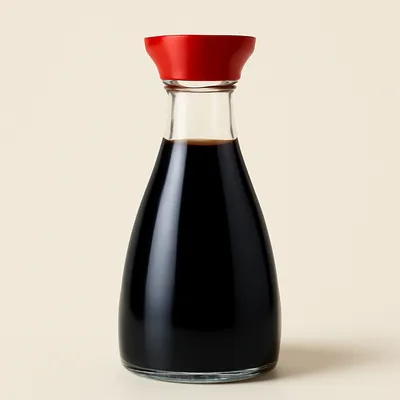
Drain and rinse the pork to remove impurities. Return to the pot with awamori, soy sauce, brown sugar, and slices of ginger. Add enough water to just cover the pork.
- 315 min
Bring the pot to a gentle simmer, partially covered, over low heat. Cook until the pork is tender and the sauce is rich and glossy, about 2 hours, turning occasionally to ensure even cooking.
Watch outGentle simmer, lid ajar — surface barely bubbling for the full 2 hours; if it's rolling, the heat's too high.
- 42 min
Serve the rafute hot, with a scattering of bonito flakes for an umami-rich finish.
Watch outThe belly should be jiggly-tender and the sauce reduced to a dark glossy glaze that coats each piece.
Archive tool suggestions — not reviewed
These legacy suggestions have not been evidence-reviewed and are not presented as required tools.