

Invented in 1891 at Tamahide, a Tokyo restaurant that had served chicken hot pot since 1760. The wife of the fifth-generation owner, Toku, started serving leftover hot-pot ingredients over rice for staff and customers in a hurry; the dish was added to the menu and named oyakodon (parent-and-child bowl) for the chicken-and-egg combination. Tamahide still operates in Ningyocho.
Tamahide in Tokyo Ningyocho invented the dish in 1891 — chicken and egg in dashi-shoyu-mirin, the egg poured in two stages so half stays runny. The name (parent-and-child bowl) is the Meiji-era pun.
A donburi bowl of hot rice topped with chicken thigh and onion simmered in dashi-soy-mirin, finished with beaten egg poured in two stages — the second pour stays barely set, glossy and trembling. Mitsuba or scallion on top. Eat with a spoon; the half-cooked egg coats every grain of rice. If the egg is fully scrambled, the timing was off.
The two-pour egg is the technique: first pour binds chicken and onion as it sets; second pour goes in just before serving and slides off the heat half-liquid, draping rather than scrambling. A flat oyakodon-nabe (small straight-sided pan with side handle) lets you tip the whole disc onto the rice intact. Cook in single portions only — doubling the pan crowds the egg.
Variations
Tamahide's 1891 original uses three stages of egg pour; Osaka style is sweeter and uses thicker dashi; tanindon ("stranger bowl") swaps chicken for beef; sake-don uses salmon and salmon roe.
On the Palate
Where Oyakodon sits in the Japanese flavor cloud
Master the two-pour egg: bind the chicken and onion with a first pour, then add the second pour and slide the pan off the heat while the egg is still half-liquid, so it drapes in soft folds rather than scrambling into curds.
Ingredients


How it's made
6 steps · 45 min
- 120 min
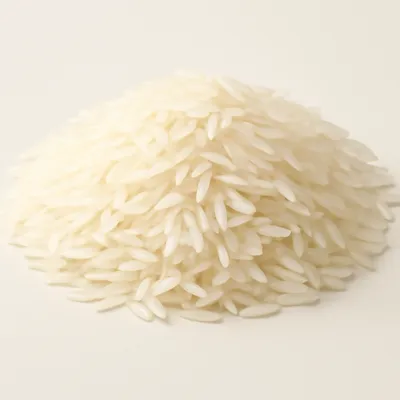
Rinse the rice under cold water until the water runs clear. Cook the rice according to the package instructions until it's tender and fluffy.
Watch outEnsure the rice is fully cooked and tender before serving, as undercooked rice will affect the dish's texture.
- 25 min
Slice the onion thinly. In a pan, combine dashi, soy sauce, and sugar. Bring to a gentle simmer over medium heat until the sugar dissolves and the liquid is aromatic.
- 35 min
Add the sliced onion to the simmering broth. Cook until the onion becomes translucent and tender, soaking up the broth's flavor.
Watch outSimmer the onion until it turns translucent and floppy and has drunk up the broth — pale, crunchy onion means it went in too briefly.
- 410 min
Cut the chicken into bite-sized pieces. Add to the pan with the onions, ensuring each piece is submerged in the broth. Cook until the chicken is just cooked through and tender.
Watch outAdd the chicken and cook just until it turns from pink to firm and opaque — a minute too long in the hot broth and it toughens.
- 53 min
Beat the eggs lightly in a bowl. Pour them evenly over the chicken and onion mixture. Cover the pan and let the eggs cook gently until just set but still slightly runny.
Watch outThe egg is ready to come off when the surface still shimmers wet and jiggles if you shake the pan — set edges but a loose, glossy center.
- 62 min
Spoon the cooked rice into bowls. Carefully slide the chicken, onion, and egg mixture over the rice. Serve immediately while hot.
Archive tool suggestions — not reviewed
These legacy suggestions have not been evidence-reviewed and are not presented as required tools.