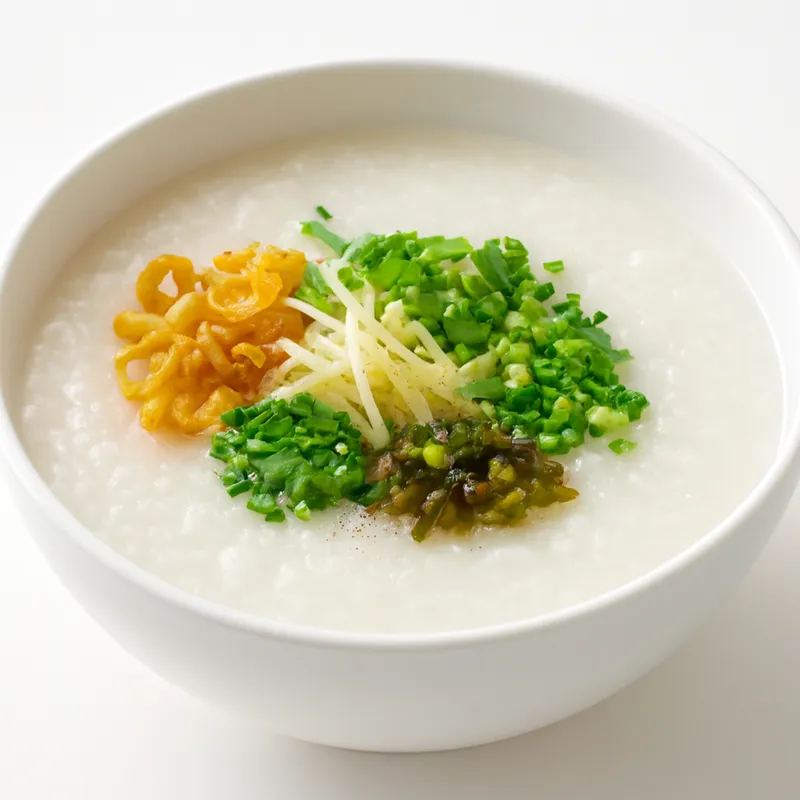
Chinese rice porridge slow-cooked until silky smooth, served with various savory or sweet toppings.
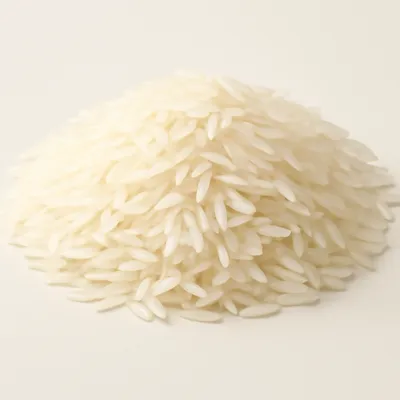



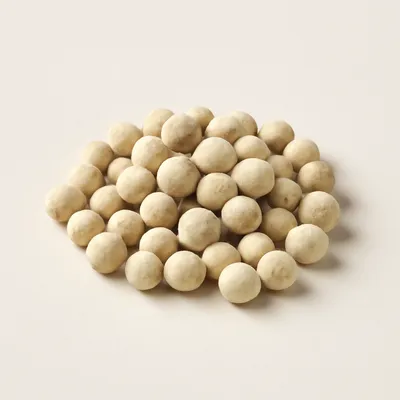
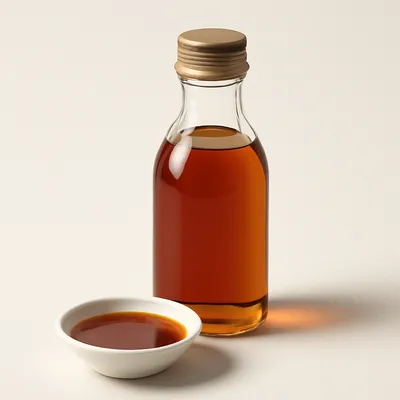
Documented in China since at least the Han dynasty (2nd century BCE) as a way to stretch limited rice during famine and feed the elderly or sick. Cantonese-style congee — long-cooked, fully broken-down, often paired with savory animal-protein toppings — diverged from northern thicker rice porridges; the Cantonese form spread through Hong Kong restaurant culture in the 20th century and became the international template.
Cantonese jook is cooked 1:10 rice-to-water for 90 minutes until grains dissolve; the broken-rice trick (碎米) is what makes it silky, not the cooking time alone.
A pale grey-white porridge cooked until the rice grains have surrendered into thick cream — no individual grain visible. Served in a deep bowl with toppings: century egg and pork (皮蛋瘦肉粥), or fish with ginger, or chicken and shiitake. A drizzle of sesame oil, white pepper, scallion, fried dough sticks (油条) torn in. Should pour slowly off the spoon; if it's too thin or too clumpy, the heat was wrong.
Cantonese cooks add a few drops of oil and a pinch of salt to the rice before cooking — the oil coats each grain and helps it break down faster, the salt accelerates starch release. Long-grain rice gives a smoother congee; short-grain stays chunkier. The water-to-rice ratio is around 12:1 by volume for breakfast congee, 8:1 for dinner. Cooking is unhurried — minimum 90 minutes — and the pot must be stirred occasionally to keep the bottom from scorching.
Variations
Pei dan sau yuk (century egg + pork) is the Cantonese standard; Teochew muay keeps grains intact; Beijing-style xifan is thinner; Chiu Chow fish congee uses fresh dace; Filipino lugaw drops fish sauce on top.
On the Palate
Where Congee sits in the Chinese flavor cloud
Ingredients


How it's made
4 steps · 10 min active + 1 hour 30 min waiting
- 13 min
Rinse the rice under cold water until the water runs clear, removing excess starch. This ensures a smoother texture in the final dish.
Watch outRinse until the water runs clear — the cloudy first rinses are surface starch that would otherwise make the congee gummy rather than clean-creamy.
- 25 min
In a large pot, bring 8 cups of water to a boil over high heat. Add the rinsed rice and ginger slices, then reduce the heat to medium-low. Stir occasionally to prevent sticking.
Watch outEnsure the rice doesn't stick to the bottom of the pot by stirring occasionally.
- 390 min
Simmer the rice gently, partially covered, for about 1 to 1.5 hours. The rice should break down completely into a thick, creamy porridge. Add more water if it becomes too thick.
Watch outIt's ready when the grains have burst open and the liquid has thickened to a pourable, glossy cream; thin with a splash of hot water if it stiffens too far.
- 42 min
Season the congee with soy sauce to taste, stirring well to incorporate the flavor evenly throughout the porridge.
Archive tool suggestions — not reviewed
These legacy suggestions have not been evidence-reviewed and are not presented as required tools.