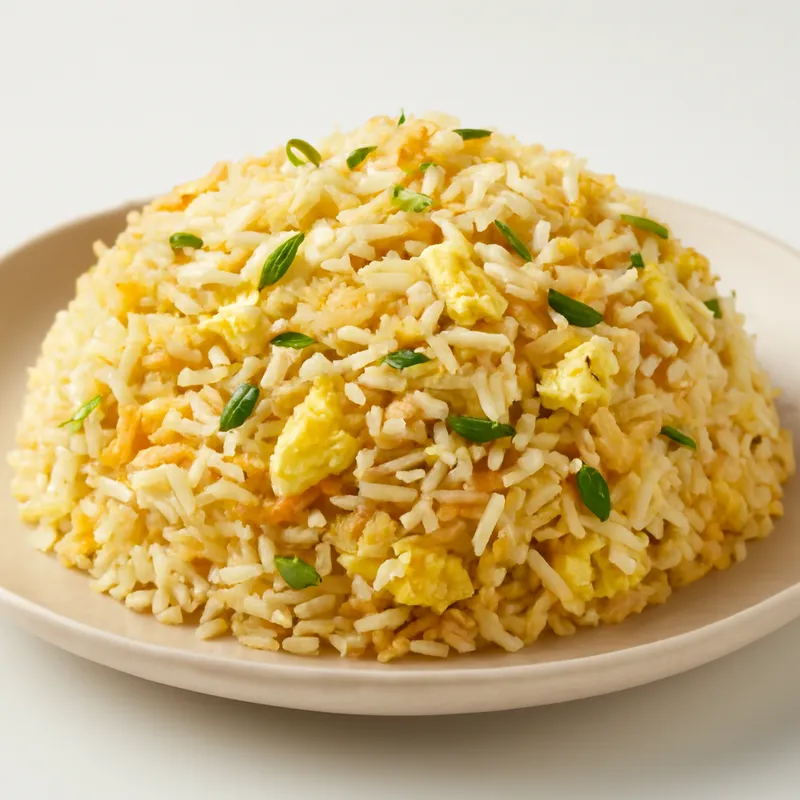



Fried rice as a thrift dish goes back to Sui-dynasty Yangzhou (6th–7th century), where leftover rice met whatever was on hand; the canonical 扬州炒饭 was codified in the Qing with shrimp, ham, peas, and egg. The plain egg version is the home-kitchen baseline across China — the dish a cook is judged on. Jiangsu-style stays light on soy; Cantonese versions sometimes add lap cheong sausage.
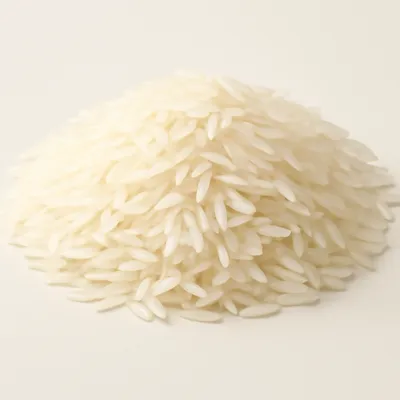
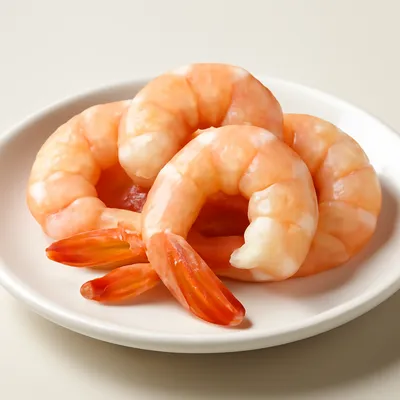
Qing-dynasty Yangzhou kitchens codified the dish: day-old long-grain rice, eggs scrambled separately, plus shrimp, char siu, ham, peas — every grain coated in egg, no soy sauce in the original recipe.
Each grain stands separate, pale yellow from egg, scattered with dark green scallion. No clumps, no glossy oil sheen on top, no soy puddle at the bottom of the bowl. The rice has a faint smoke note — wok hei — and a clean salt-egg flavor, not soy-heavy. Day-old rice is non-negotiable; fresh rice gives a wet, sticky version no amount of wok work fixes.
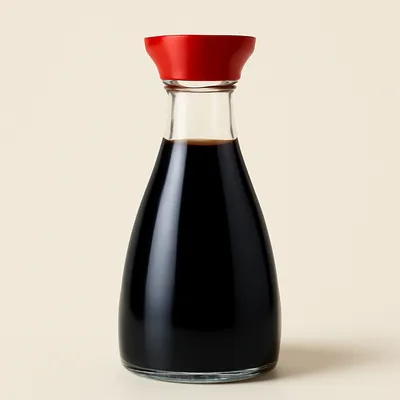
The wok must be ripping hot — visible smoke off the oil — before rice goes in; in the classical gold-coat method (金包银), egg yolk is first rubbed into the rice so every grain is sheathed before it hits the wok; the pour-egg-mid-toss approach is a popular restaurant shortcut to the same coated effect. Old rice has lost moisture and starches have retrograded, so grains separate cleanly. Soy goes in late and sparingly; too early and the sugars burn before salt is delivered.
Variations
Yangzhou jin yu mantang (gold-and-jade) version uses egg yolk only for color; Hong Kong cha chaan teng version drowns it in soy (not authentic but ubiquitous); Singapore-Malaysian version adds curry powder.
On the Palate
Where Yangzhou Fried Rice sits in the Chinese flavor cloud
Get the wok smoking-hot and use cold day-old rice — dry, separated grains are what let each one fry and coat instead of clumping into wet mush.
Ingredients



How it's made
5 steps · 9 min
- 11 min
Heat 1 1/2 tablespoons of oil in a wok over high heat until shimmering. Add finely chopped onion and minced garlic, stirring constantly until fragrant, about 1 minute.
Watch outEnsure the oil is hot enough to prevent the garlic from burning.
- 23 min
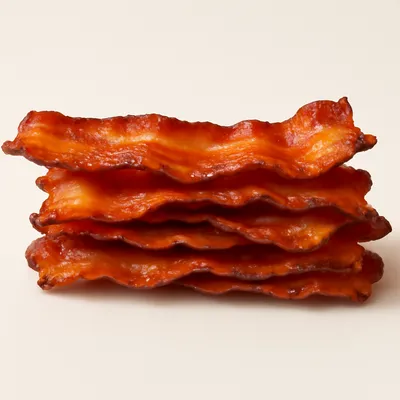
Add chopped bacon (if using) and cook until it turns light golden, about 1 1/2 minutes. Stir in frozen vegetables and cook for 2 minutes until they defrost and any water evaporates.
Watch outEnsure the vegetables are defrosted and the wok is dry to avoid steaming the rice.
- 32 min
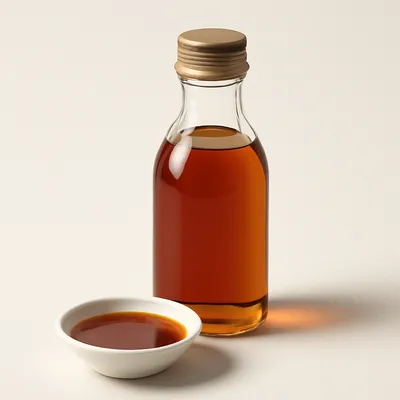
Add day-old rice and sauce ingredients to the wok. Stir-fry vigorously for 1 1/2 minutes until the liquid evaporates and the rice is heated through.
Watch outThe rice is ready when it stops steaming and starts to jump and rattle dry in the wok — that clatter means the grains are frying, not stewing.
- 42 min
Push the rice to one side of the wok. Add 1/2 tablespoon of oil to the cleared space and pour in the beaten eggs. Scramble them until fully cooked, then mix with the rice.
Watch outLet the poured egg set for a second or two before you scramble it, so it forms soft curds and glossy strands rather than a fine dust.
- 51 min
Add sliced green onions, toss everything together, and serve immediately while hot.