In Practice
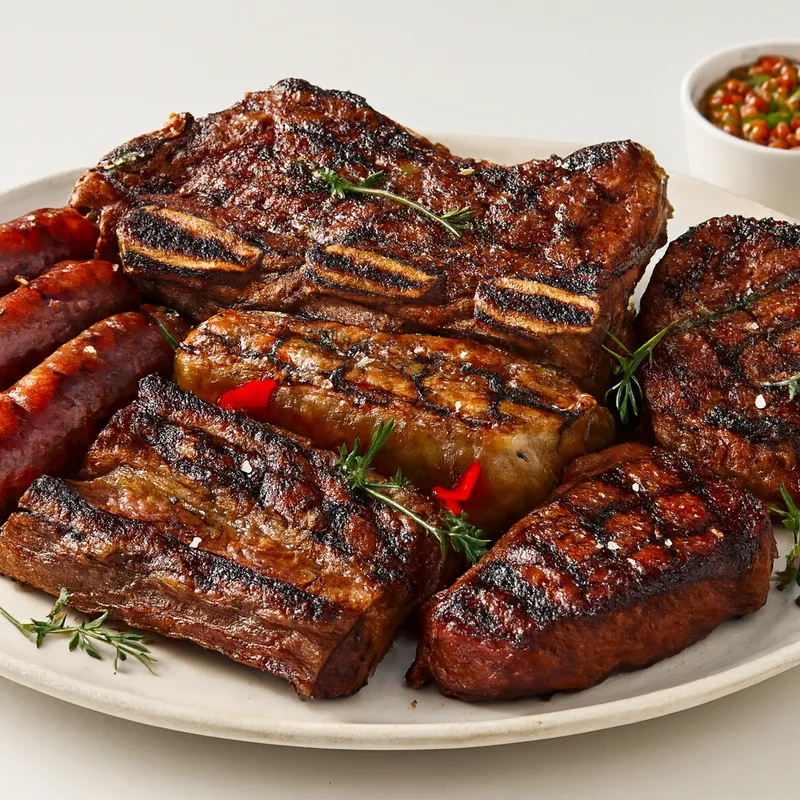
Cold smoke: <30°C ambient for 6-72 h — requires external firebox routing smoke through a cooling tube; used for lox, cheese, charcuterie. Hot smoke: 80-110°C for 2-12 h — barbecue brisket sits at 105°C for 12-14 h to render collagen. Wood selection: oak/hickory (assertive, beef), apple/cherry (sweet, pork), alder (delicate, salmon). Failure mode: smoking unsalted meat — surface water activity stays > 0.95 and smoke deposits without preservation effect, only flavor.
Background
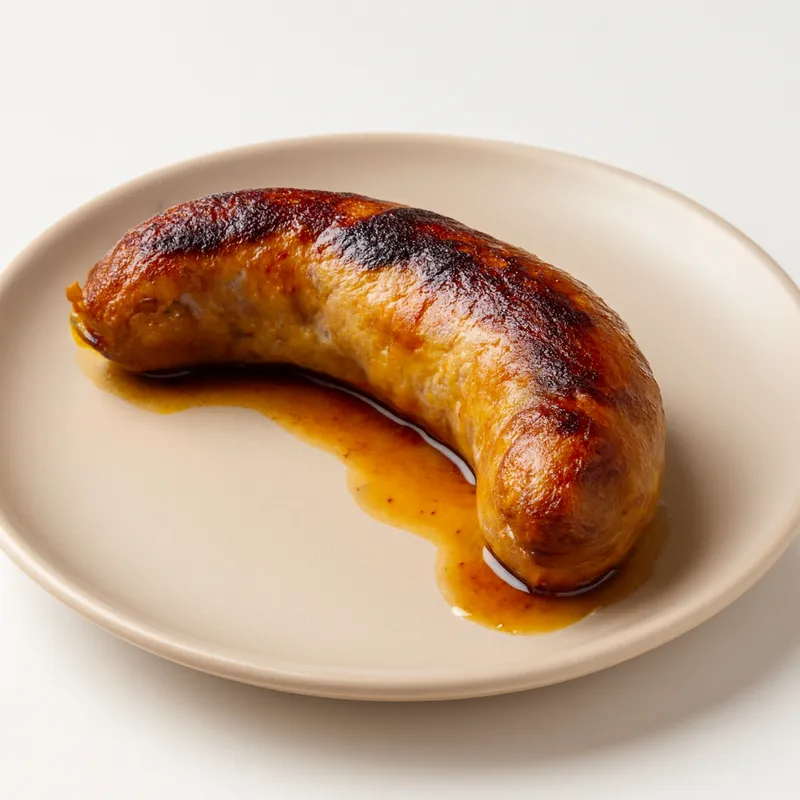
Smoking is a technique that has been embraced by various cultures worldwide, each adding its unique touch. In Poland, the art of smoking is exemplified by Kielbasa, a sausage imbued with garlic and spices, smoked over hardwood. In Portugal, Alheira, a flavorful smoked sausage, reflects the country's rich culinary heritage. Meanwhile, in China, tea eggs are often smoked using tea leaves and spices, adding a distinct aroma. Each tradition uses different woods and spices, creating unique flavors and preserving methods.
How It Works
Pyrolysis of hardwood lignin (200-400°C) releases phenols (guaiacol, syringol — peat-smoke aroma), carbonyls (formaldehyde, acetaldehyde — antimicrobial), and PAHs (polycyclic aromatic hydrocarbons — flavor + carcinogen risk above 400°C). Smoke deposits onto meat surface and penetrates 5-15 mm, dropping water activity at the rind and adding antioxidant phenols that delay rancidity. Cold smoke (<30°C) preserves; hot smoke (60-90°C) cooks and preserves.
Two Smokes, One Fire
the mental modelSmoking splits at a single fork: how warm the smoke is when it reaches the food. Cold smoke only perfumes; hot smoke perfumes and cooks — and that one difference decides whether the food still needs curing to be safe. Underneath both is the same chemistry, a handful of compounds boiled off wood. Learn the fork and the compounds and you can read any smoked thing, from lox to brisket.
Cook One
Dish examples
348 dishes · 68 cuisines



Through Time
Predates agriculture — paleolithic hearth caves show meat-rack residues. Roman *Apicius* records smoked sausages. Polish *kielbasa* and Portuguese *alheira* traditions stretch to the 14th century. Aaron Franklin's 2015 *Franklin Barbecue* and Meathead Goldwyn's 2016 *Meathead* canonized American barbecue smoking; René Redzepi's 2018 *Noma Guide to Fermentation* re-integrated cold smoke into Nordic fine dining.
Related cooking knowledge
Curing precedes smoking in nearly every charcuterie sequence (bacon, ham, smoked salmon). Barbecue smoking is the heat-application descendant — same wood-smoke chemistry but at higher temperature to cook through. Fermentation overlaps via smoked-then-fermented sausage. Braai sits adjacent but is grill-not-smoke-dominant.