



The name means "potato soup," and the etymology is genuinely disputed: the most common folk claim that pork spines include a cut called gamja is debunked (Korean pork butchers confirm no such cut exists — the soup got famous first, and the bone was named after it), while scholars propose gamjatang derives from gamjeo-tang (甘猪湯, "sweet-pork soup") or from the Chinese sheep-spine dish yangxiezi. Either way, the potato itself is real and structural. Documented as a working-class dish around Seoul in the 1900s, served cheaply at markets and to porters; pork spines were a butcher's discard cut, slow-simmered to extract value. It became late-night drinking food in the postwar decades.
Pork-spine stew simmered with perilla seed powder, napa cabbage, and potato — the perilla is what makes it Korean and not just a bone broth. Late-night drinking food in Seoul's Dongdaemun since the 1900s.
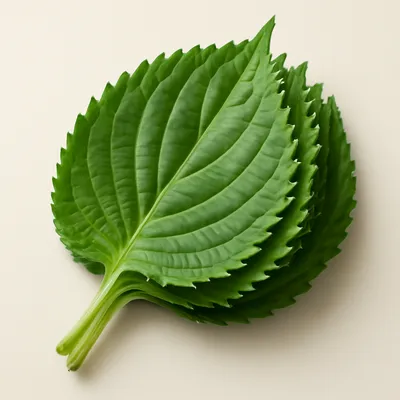
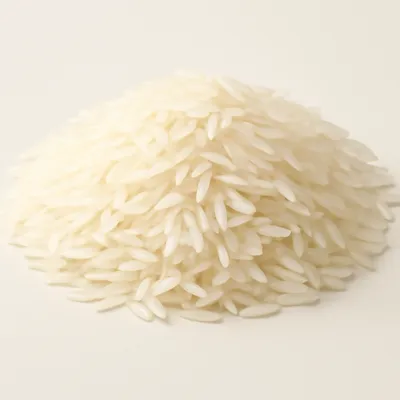
A deep red bowl of pork-spine vertebrae you pull apart with chopsticks, soft potatoes, perilla seeds and leaves, mushrooms, glass noodles in a gochugaru broth. The marrow comes out with a flick of the wrist; the meat between bones falls off when ready. Eat with rice on the side. The broth should taste of pork bone and perilla, not just chili.
Perilla seed powder (deulkkae) is the load-bearing ingredient — stirred in late, it thickens the broth, mutes the chili sting, and adds a nutty grain that distinguishes gamjatang from any other Korean red stew. Skipping it leaves the soup thin and one-note hot. The bones must simmer at least two hours; rushed broth tastes like chili water.
Variations
Classic pork-spine version; ugeoji-gamjatang adds dried napa stems; muk-eun-ji gamjatang uses aged kimchi; Busan ports run a seafood-bone variant with monkfish backbone.
On the Palate
Where Gamjatang sits in the Korean flavor cloud
Two moves carry gamjatang: simmer the pork spine at least two hours (rushed broth just tastes like chili water), and stir the perilla seed powder in late — it thickens the soup, softens the chili sting, and adds the nutty grain that sets gamjatang apart from every other Korean red stew.
Ingredients



How it's made
5 steps · 1 hour 5 min
- 110 min
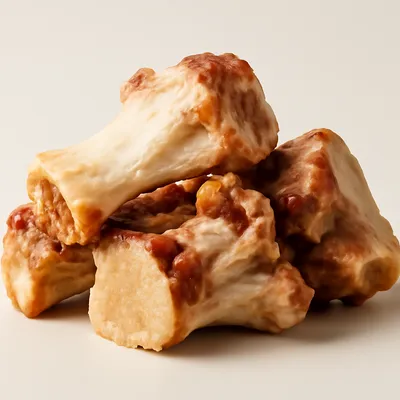
Begin by rinsing the pork backbone under cold water to remove any bone fragments. Place the bones in a large pot and cover with water, ensuring they are fully submerged. Bring the water to a rolling boil, allowing impurities to rise to the surface.
Watch outBring the bones to a hard rolling boil first and skim — you want the grey scum and bone bits to lift off before you commit to the real broth.
- 215 min
Drain the bones and rinse them again. Refill the pot with fresh water and add garlic cloves and ginger slices. Bring to a boil, then reduce to a simmer, letting the flavors meld into the broth.
- 330 min
Add peeled and quartered potatoes to the pot. Continue simmering until the potatoes are tender and the meat is falling off the bones, infusing the broth with their earthy flavor.
Watch outThe potatoes should go soft-fluffy and the meat should be sliding off the bone — that's the signal the broth has pulled enough from the spine.
- 45 min
Season the broth with sesame oil and ground perilla seeds, stirring well. Taste and adjust seasoning as needed, ensuring a harmonious balance of flavors.
Watch outStir the perilla powder and sesame oil in off a gentle simmer; the broth should thicken slightly and turn nutty-fragrant, not boil hard after.
- 55 min
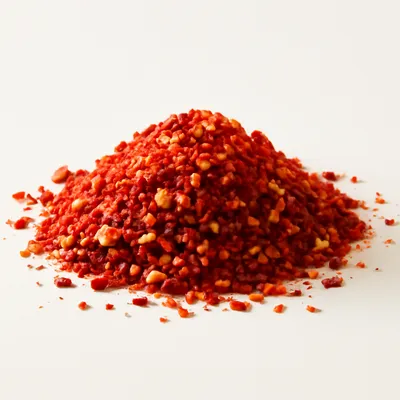
Serve the gamjatang hot, garnished with sliced green onions and a sprinkle of red chili flakes for heat. Accompany with kimchi and steamed rice for an authentic Korean meal.
Archive tool suggestions — not reviewed
These legacy suggestions have not been evidence-reviewed and are not presented as required tools.