The shio (salt) ramen of Hakodate, Hokkaido: a clear, light pork-and-chicken broth seasoned with salt rather than soy or miso. Hakodate is known as the birthplace of shio ramen; the broth is clean and gentle, with thin straight noodles.


Hakodate ramen is the salt-based (shio) ramen style from Hakodate, Hokkaido. Wikipedia documents Hakodate as one of the three classic ramen cities of Hokkaido (alongside Sapporo and Asahikawa). The broth is clear and relatively light — a pork-and-chicken stock seasoned with salt rather than the heavier soy or miso bases of other regions. Hakodate is often cited as the origin point for shio ramen in Japan, because the city's port history brought Chinese noodle traditions early.
A bowl of Hakodate ramen is clear and pale — almost like a consomme. The broth is delicate: a gentle pork-chicken savoriness seasoned with salt, carrying the clean flavor of the bones without heaviness. Thin straight noodles, less curly than Sapporo's, maintain their firm bite. Simple toppings — sliced chashu, scallion, menma, and narutomaki — keep the focus on the broth. Eaten hot, it is ramen at its most refined and restrained.
Hakodate ramen rests on the clear broth and the salt base. The pork-and-chicken bones are simmered gently — never at a hard boil — so the broth stays clear rather than cloudy. A hard boil would emulsify the fat into the broth (as in tonkotsu), making it opaque and heavy; the gentle simmer keeps the fat separate and the broth transparent. The salt seasoning (shio) provides a cleaner, lighter flavor than soy or miso — the diner tastes the stock itself, not the tare. The thin straight noodles, cooked briefly, maintain a firm texture that contrasts with the delicate broth.
Variations
The clear, salt-seasoned broth and thin noodles are the Hakodate signature; toppings are kept simple.
On the Palate
Where Hakodate Ramen sits in the Japanese flavor cloud
Ingredients
Serves 4

How it's made
6 steps · 25 min
- 1120 min
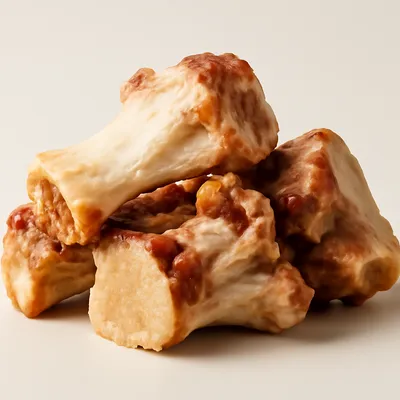
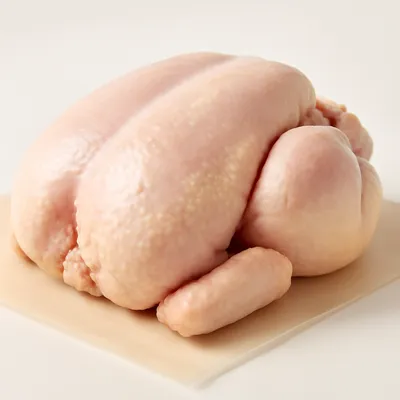
Simmer pork bones and chicken bones gently in water for 2 hours; skim scum.
Watch outSimmer the bones gently, never at a hard boil, skimming scum — a rolling boil emulsifies the fat and clouds the broth; the whole point here is a clear stock.
- 25 min
Strain the broth; it should be clear.
- 33 min
Season with salt, a little soy, and mirin.
- 43 min
Cook thin straight noodles briefly.
Watch outCook the thin noodles only briefly, keeping them firm — this delicate broth wants a taut noodle; overcooked, they go soft and muddy the clear soup.
- 53 min
Ladle broth into bowls; add noodles.
- 63 min
Top simply with chashu, scallion, menma, and narutomaki.
Archive tool suggestions — not reviewed
These legacy suggestions have not been evidence-reviewed and are not presented as required tools.



