The tonkotsu ramen of Fukuoka: thin noodles in a milky-white, intensely porky broth boiled from bones for up to eighteen hours, topped with chashu pork, green onions, and a fragrant dab of rendered back fat. Originally a cheap street-stall meal for laborers; the kaedama noodle-refill system is a defining service custom.





Tonkotsu ramen was invented in 1937 by Tokio Miyamoto, a yatai street-food vendor in Kurume, Fukuoka Prefecture, in northern Kyushu — not in Hakata proper, though the name Hakata ramen comes from Hakata, the historical name of central Fukuoka. The signature milky-white appearance of the broth is credited to Katsumi Sugino, who refined the recipe by accidentally overcooking the bones. The dish was originally created as cheap, fast food for fish-market laborers at yatai stalls. The kaedama system — a second order of noodles on request — developed because the thin noodles, which cook in seconds, are served in small portions suited to the rich broth.
A bowl of Hakata ramen arrives with a deeply cloudy, almost opaque white broth — intensely porky, rich, and hot, with a film of golden back fat on the surface. The thin noodles are firm and straight, cooked very briefly to retain their bite; the chashu pork is tender and savory, the green onions sharp and fresh. The broth coats the tongue with an almost creamy, gelatinous richness that is unlike any other ramen style.
Hakata ramen rests on the prolonged boiling of pork bones. Pork bones — rich in collagen, calcium, and marrow — are boiled vigorously in water for up to eighteen hours. The prolonged hard boil has two effects: it dissolves the collagen into gelatin, which thickens the broth and gives it a coating, lip-smacking texture; and it emulsifies the bone fat and marrow minerals into the broth as tiny droplets and suspended particles, producing the characteristic milky-white opacity. This emulsion is what distinguishes tonkotsu from clearer pork-bone stocks: the fat is not skimmed off but beaten into the broth by the violent boil, giving it body and richness. The accidental overcooking that Katsumi Sugino discovered is precisely this emulsification — a clear stock left boiling long enough turns cloudy, then white. The thin, straight noodles are cooked very briefly — sometimes only seconds — to retain their firm texture against the rich broth.
Variations
Hakata ramen is the most famous tonkotsu style, but Kurume (the birthplace) has a thicker noodle and richer broth; Nagahama ramen is a lighter Hakata variant. The kaedama refill system and the noodle-firmness choice are Fukuoka-wide customs.
On the Palate
Where Hakata Ramen sits in the Japanese flavor cloud
Ingredients
Serves 4
How it's made
6 steps · 30 min
- 15 min
Cover pork bones — trotters, femurs, neck bones — with water; bring to a hard rolling boil.
- 21080 min
Boil vigorously for twelve to eighteen hours, replenishing water, until the broth is milky-white and opaque.
Watch outKeep it at a hard, rolling boil the whole twelve-plus hours — that violent boil is what emulsifies the fat and marrow into the broth to turn it milky-white; a gentle simmer leaves it thin and clear.
- 35 min
Strain the broth; season with soy sauce, salt, or a tare of choice.
- 42 min
Cook thin straight noodles very briefly — a minute or less — to retain firmness.
Watch outCook the thin noodles barely a minute — Hakata noodles are served hard; a few seconds too long and they go soft in the hot broth before you can eat them.
- 53 min
Ladle the hot broth into bowls; add a dab of rendered back fat.
- 65 min
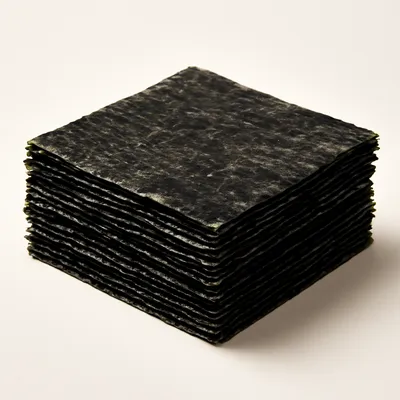
Top with sliced chashu pork, green onions, and nori; serve immediately.
Archive tool suggestions — not reviewed
These legacy suggestions have not been evidence-reviewed and are not presented as required tools.