Yumiko's soba soup with seasoned aburaage
Method sources: Yumiko / RecipeTin Japan: Kitsune Soba
Soba noodles in hot dashi broth topped with a large piece of sweet simmered aburaage (fried tofu), the namesake fox. Foxes in Japanese folklore love fried tofu; the golden, sweet pouch perched atop the soba is an offering to the fox spirit Inari.
Kitsune soba is a Japanese soba dish topped with a large piece of sweet, simmered aburaage (fried tofu). The name comes from the kitsune (fox) of Japanese folklore, who is said to be particularly fond of fried tofu. The association links the dish to Inari, the Shinto deity of rice whose messengers are foxes. In the Kanto region the dish is called kitsune soba; in Kansai, the same preparation with udon is called kitsune udon. The sweet-simmered aburaage — soaked in a soy-dashi-sugar broth until it has absorbed the sweet-savory liquid — is the defining element.
A bowl of kitsune soba brings up hot soba noodles in a clear, savory dashi broth, topped with a large, golden square of sweet, juicy fried tofu. The tofu, having absorbed the sweet soy-dashi broth, is soft, almost custard-like, with a distinctive sweet-savory flavor that contrasts with the earthy buckwheat noodles and the clean, umami broth. Eaten hot, the interplay of the sweet topping and the savory noodles is the defining pleasure.
On the Palate
Where Kitsune Soba sits in the Japanese flavor cloud
Ingredients
2 servings


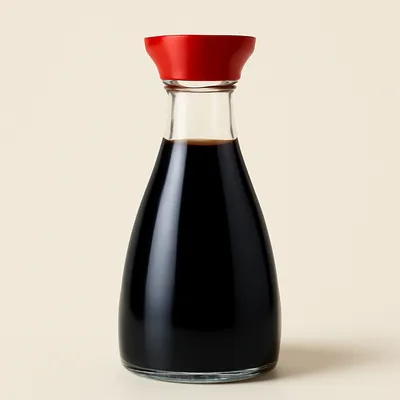




How it's made
5 steps · About 22 min with prepared noodles · Allow 22 min in the kitchen; noodle cooking follows its package, parallel tasks are not added twice
- 1Check the stated endpoint
Cut each tofu sheet in half. Pour half the litre of boiling water over them, turn and pour the rest. Cool enough to handle and squeeze out water.
- 2About 10 min; noodles cook in parallel
Bring tofu, 100 ml water, tofu soy sauce, sugar and mirin to a boil. Simmer medium-low under a drop lid about ten minutes, turning halfway, until liquid is almost gone. Cook noodles during this timer.
- 3Use package time, not a universal five-minute timer
Boil soba in plenty of water following its full package instructions. Rinse until cool and drain.
- 4Check the stated endpoint
Bring dashi and broth soy sauce and mirin to a boil, then turn off heat. Keep it hot for assembly.
- 5About 10 sec reheat per portion; then serve
Dip each portion of noodles in the 500 ml hot water for about ten seconds, drain and bowl. Add broth, two tofu pieces per bowl and onion. Serve with optional shichimi.
Archive tool suggestions — not reviewed
These legacy suggestions have not been evidence-reviewed and are not presented as required tools.