A Japanese New Year's soup of mochi rice cakes in a clear or miso broth, with chicken, vegetables, and kamaboko. The defining Oshogatsu (New Year) dish; every region and family has its own version — Kanto uses square mochi in clear broth, Kansai uses round mochi in miso.

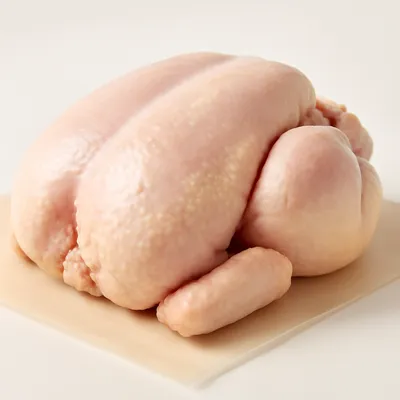
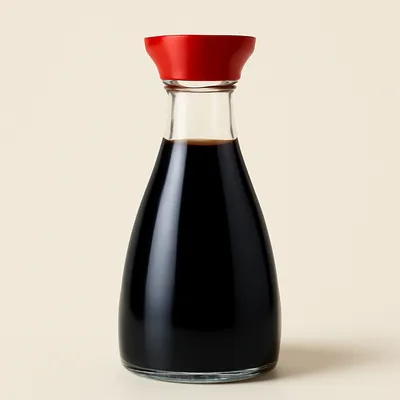


Zoni — also written ozoni — is a Japanese New Year soup containing mochi. Wikipedia documents it as a traditional Oshogatsu (New Year) dish with strong regional variations. The Edo (Kanto) tradition uses rectangular mochi in a clear dashi broth; the Kamigata (Kansai) tradition uses round mochi in a white miso broth. The dish is said to have originated as a samurai-field camp meal (the name means mixed boil) and became associated with the New Year celebration during the Muromachi period (1336-1573), when it was served at the first meal of the year.
A bowl of zoni brings up one or two pieces of toasted mochi — soft and stretchy on the outside, still holding their shape — in a clear, savory broth with slices of chicken, carrot, and kamaboko. The mochi, having absorbed the broth, is pillowy and warm; the broth is clean and celebratory. Eaten on New Year's morning, it is the most culturally significant single dish in the Japanese calendar.
Zoni rests on the toasted mochi in broth. The mochi — glutinous rice cake — is toasted until it puffs and the surface crisps, then placed in the hot broth. The hot broth rehydrates the mochi's toasted surface, turning it soft and pillowy, while the interior stretches into long, chewy strands. The broth itself — whether the clear Kanto dashi or the Kansai white-miso — provides the umami base (glutamate from dashi or from miso's fermented soybeans) that seasons the bland mochi. The regional differences — square vs round mochi, clear vs miso broth — reflect historical foodways: square mochi was cut from sheets in the samurai Kanto culture; round mochi was hand-formed in the imperial Kansai culture.
Variations
Regional variations are vast: Kanto (square mochi, clear broth), Kansai (round mochi, white miso), and many island/mountain variants. The mochi-in-soup-on-New-Year structure is the national constant.
On the Palate
Where Zoni sits in the Japanese flavor cloud
Ingredients
Serves 4
How it's made
6 steps · 20 min
- 15 min
Toast mochi pieces until puffed and lightly charred.
Watch outToast the mochi until it puffs and lightly chars — this crisp surface goes pillowy in the broth while the inside stretches long.
- 210 min
Prepare broth: dashi with soy and mirin (Kanto style), or dashi with white miso (Kansai style).
- 315 min
Add chicken, carrot, and kamaboko to the simmering broth.
- 43 min
Place toasted mochi in individual serving bowls.
- 53 min
Ladle the hot broth and solids over the mochi.
- 62 min
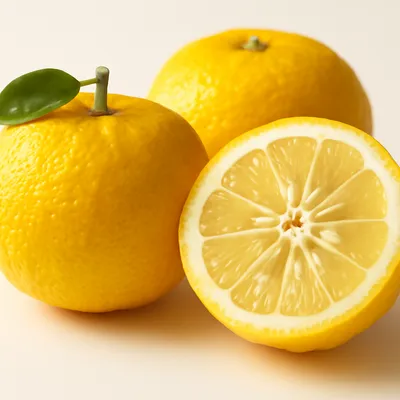
Garnish with yuzu peel or mitsuba; serve immediately.
Archive tool suggestions — not reviewed
These legacy suggestions have not been evidence-reviewed and are not presented as required tools.



