
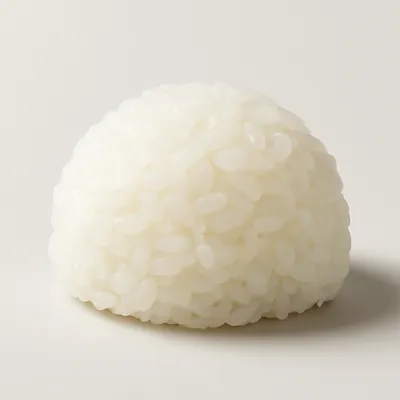
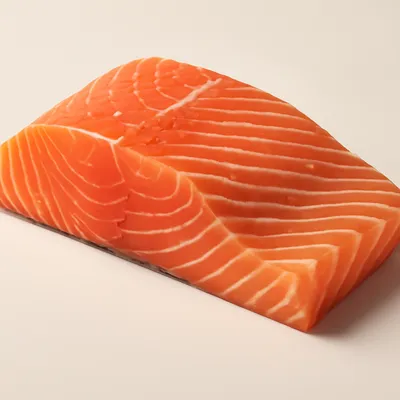
Kakinoha-zushi is a pressed sushi from the mountainous interior of Nara Prefecture and neighboring Wakayama, in the Kansai region. A small block or oval of vinegared sushi rice is topped with a thin slice of salt-cured mackerel—or salmon, and sometimes other fish—then wrapped tightly in a single persimmon leaf, packed into a wooden box or press under a weight, and rested for a day or so. The leaf is not eaten: at the table each piece is unwrapped to reveal the glossy sushi, which carries a faint, clean leaf aroma. It is a celebrated local specialty (kyodo-ryori) of Nara, traditionally made in quantity for festivals, especially summer ones, and today sold all over the prefecture as a signature souvenir.


Kakinoha-zushi was a mountain-country solution to a simple problem: how to bring sea fish deep into the landlocked Yoshino valleys of Yamato (Nara). The exact origin is unrecorded—it is a folk dish that, by most accounts, took shape in the homes of the persimmon-growing Yoshino River basin around the middle of the Edo period (18th century). The commonly told history runs that heavily taxed fishermen of the Kishu domain (Wakayama) salt-cured the summer mackerel caught off the Kumano-nada coast and carried it on their backs over the mountain passes—or up the Yoshino River—into the interior, a journey of a day or more that fresh fish could never survive. By the time the salted fish reached the inland villages it was too salty to eat as it was, so households sliced it thin, laid it on bite-size pads of rice, and wrapped each piece in a persimmon leaf, which they had in abundance. Pressed under a weight and rested, the sushi kept for days without refrigeration, and the practice became fixed as festival food, made in large quantities for the summer festivals of Yoshino and Gojo. It is recognized as a kyodo-ryori (local heritage dish) of both Nara and Wakayama.
The first thing is the aroma: unwrapping the leaf releases a faint, green, slightly tannic scent that has soaked into the rice. The mackerel is firm and dense from its salt-cure, deeply savory and clean rather than oily-raw, with a gentle vinegar tang behind it; salmon versions are milder and a touch sweeter. The rice is cool, well-pressed, and lightly tart, molded into a single neat morsel that holds together as you lift it. A good piece is moist with a fragrant leaf note and balanced salt; a poorly made one is either harshly salty from too heavy a cure or dried out and crumbling from too long under the press.
Every element here is about keeping fish edible without a fridge. The heavy salt-cure draws water out of the mackerel by osmosis, lowering its water activity so spoilage and pathogenic microbes cannot easily grow, while also firming the flesh and concentrating its flavor. The sushi rice is seasoned with vinegar, which lowers the pH into the acidic range that further suppresses bacteria—the classic preserving logic of all early Japanese sushi. The persimmon leaf is the local twist: it is rich in kaki tannin, a persimmon polyphenol with documented antibacterial and antioxidant activity, and wrapping seals each piece against air to slow drying and oxidation; the vinegar's acidity and the leaf's tannins are generally described as reinforcing one another. Pressing under a weight expels air and melds rice and fish into a solid block, and the day's rest lets the salt and vinegar penetrate evenly and the flavors marry, with the leaf lending its faint aroma to the rice.
Variations
The classic topping is salt-cured mackerel (saba); salmon is the other mainstay, and shops now also offer sea bream, conger eel, shrimp, and other fish, often as an assorted box. Nara and Wakayama each claim the dish and differ in detail—leaf handling, the size and shape of the block, and how long it is pressed—and within Nara the Yoshino and Gojo styles are noted. It belongs to the broad family of Kansai pressed sushi (oshizushi), kin to box-pressed hako-zushi and to bo-zushi, the stick-shaped pressed mackerel sushi of Kyoto; the persimmon leaf is what sets it apart. Persimmon leaves are most fragrant and pliable in early summer, and some makers salt-preserve or freeze them to wrap sushi year-round.
On the Palate
Where Kakinoha-zushi sits in the Japanese flavor cloud
Ingredients
Serves 4
How it's made
8 steps · 1 hour
- 125 min
Wash sushi rice, cook it firm, and while still hot fold through a seasoning of rice vinegar, sugar, and salt; let it cool to body temperature and divide into bite-size portions.
Watch outFold the vinegar seasoning through the rice while it's still hot, then cool it — hot rice drinks in the vinegar evenly, and that acidity is half of what preserves the sushi.
- 28 min
Use thin slices of pre-salted mackerel (or salmon); if the cure is very strong, briefly soak in light vinegar to temper the salt, then pat dry.
- 35 min
Wipe each persimmon leaf clean; if using salt-preserved leaves, rinse and dry them.
- 46 min
Press a portion of rice into a small neat block in your hand or a mold, and lay a slice of fish over the top.
- 56 min
Set the rice-and-fish piece fish-side down on a persimmon leaf and fold the leaf snugly around it, fully enclosing the sushi.
- 66 min
Pack the wrapped pieces tightly, leaf-seam down, into a wooden box or press, fitting them in close rows.
- 71440 min
Lay a drop-lid on top and weight it down, then rest in a cool place for about a day so the flavors marry and the block sets.
Watch outWeight it down and rest about a day in a cool place — the pressing sets the block and marries the flavors, and the persimmon leaf's tannins guard the fish.
- 84 min
To serve, lift out each piece and unwrap the persimmon leaf, discarding it, and present the sushi.
Archive tool suggestions — not reviewed
These legacy suggestions have not been evidence-reviewed and are not presented as required tools.


