Tai-meshi is sea-bream (tai, red seabream / madai) rice, most famous in two distinct forms from Ehime Prefecture on Shikoku. The Matsuyama style, from central and northern Ehime, is a takikomi-style rice: a whole tai (or fillets) is laid over rice seasoned with kombu dashi and cooked together, then the flesh is flaked and folded through the grains. The Uwajima style, from southern Ehime, is the opposite — raw tai sashimi laid over hot rice and dressed at the table with a sauce of beaten raw egg, soy sauce and dashi, eaten like a raw donburi with scallion, sesame and nori. Both are listed among Japan's notable local dishes, and tai-meshi in the cooked form also appears in other regions such as Onomichi and Tomonoura in Hiroshima.




Tai-meshi is the local rice dish of Ehime Prefecture, where it is commonly divided by region into three styles: the southern (Nanyo) raw style, the central (Chuyo) cooked style, and an eastern (Toyo) grilled style. The Matsuyama style — the cooked, whole-fish-over-rice form best known around Hojo in northern Matsuyama — is the older form and is found across the Seto Inland Sea region, including Onomichi and Tomonoura in Hiroshima. The Uwajima style of southern Ehime is unusual in serving raw sea bream over rice; it is said to have originated as shipboard cooking of the Iyo navy and local fishermen who worked the Uwa Sea around Hiburi Island, where open flames were impractical on the boats, and it is said to have become specifically a sea-bream dish only in the Showa era. These origin stories are folk tradition rather than documented record. Today the dish reliably uses madai, the red seabream long prized in Japan for celebrations.
The Matsuyama form eats like comfort food: clean, faintly sweet flakes of white fish lifted by kombu-dashi rice, each grain glazed and savory, the fish tender and lean rather than oily. The Uwajima form is brighter and richer at once — cool, glossy slices of raw tai turn silky and lightly coated as the beaten egg and soy bind them, the hot rice beneath just warming the fish to body temperature so it loses its raw chill, with sesame and nori adding toast and the scallion a sharp green lift.
Red seabream is a lean white fish — roughly 20 g protein and only about 6 g fat per 100 g — so its flavor is clean rather than rich, carried by free glutamate and inosinic acid (the savory nucleotide that breaks down slowly in tai, which is why the fish holds its taste). In the Matsuyama form, cooking the whole fish over the rice lets gelatin, fat and these umami compounds leach into the dashi and into the grains as they absorb liquid, seasoning every grain from within; the bones and head add further glutamate to the pot. In the Uwajima form there is no heat applied to the fish: the beaten raw egg and soy form a loose emulsion in which the egg's lecithin and protein coat each slice, smoothing the lean fish's texture and binding the soy's salt-and-umami to it, while the steaming rice beneath gently raises the fish off its refrigerated chill toward serving temperature without cooking it.
Variations
The two Ehime styles are the headline variants: Matsuyama (cooked whole fish folded through dashi rice) and Uwajima (raw sashimi over rice with egg-soy-dashi sauce); some sources further split off an eastern Ehime grilled style. Leftover cooked tai-meshi is often finished as tai-chazuke, with hot tea or dashi poured over to make a brothy bowl. Related sea-bream dishes include tai-somen (poached seabream over chilled noodles, a celebratory dish of the Seto Inland Sea) and various madai sashimi and nitsuke preparations. Beyond Ehime, the cooked whole-fish tai-meshi is a noted specialty around Onomichi and Tomonoura (Fukuyama) in Hiroshima.
On the Palate
Where Tai-meshi sits in the Japanese flavor cloud
Ingredients
Serves 4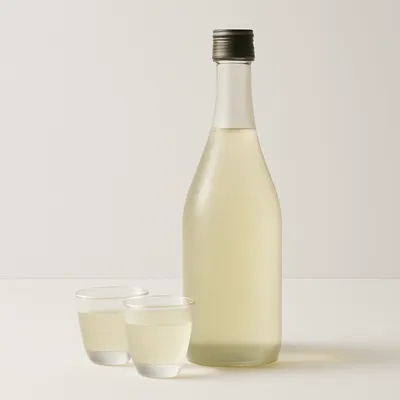


How it's made
8 steps · 20 min
- 120 min
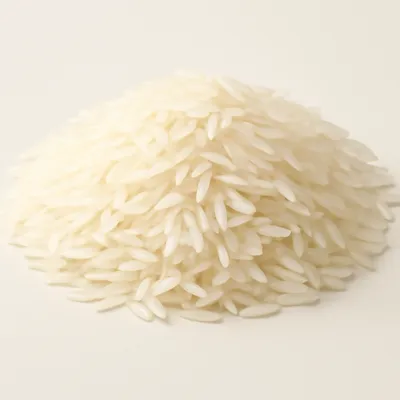
Rinse the rice until the water runs nearly clear, then drain in a sieve for about 20 minutes. Wipe the kombu with a damp cloth and soak it in the measured water (or dashi) to begin drawing out its glutamate.
- 212 min
Score the cleaned whole tai lightly, salt it on both sides, and let it stand 10 minutes; pat dry, then sear the skin briefly over a flame or in a hot dry pan until lightly browned to firm the surface and add aroma.
Watch outSear only the skin, just until it tightens and browns lightly and smells toasty — you're firming the surface and adding aroma, not cooking the fish through.
- 35 min
Add the drained rice to a donabe or heavy pot with the kombu, then pour in the dashi, soy sauce, mirin and sake; level the rice and add water if needed so the liquid just covers it.
- 43 min
Lay the whole seared tai on top of the rice without stirring. Cover and bring to a boil over medium-high heat.
- 513 min
Once boiling, reduce to low and cook covered for about 12 to 13 minutes, until the liquid is absorbed and the rice is tender. Do not lift the lid while it cooks.
Watch outKeep the lid on the whole time — no peeking — or the steam escapes, the top grains stay hard, and the timing is thrown off.
- 610 min
Turn off the heat and let the pot steam, still covered, for 10 minutes to finish the grains and let the fish set.
Watch outAfter the heat's off let it sit covered ten minutes — this resting steam finishes the grains and lets the fish set so it flakes clean.
- 76 min
Lift out the tai. Remove the skin, head and all bones carefully, then flake the flesh into clean pieces.
- 84 min
Return the flaked fish to the pot, discard the kombu, and fold it gently through the rice. Serve topped with chopped scallion, and offer hot dashi or tea on the side for those who want to finish a bowl as tai-chazuke.
Archive tool suggestions — not reviewed
These legacy suggestions have not been evidence-reviewed and are not presented as required tools.