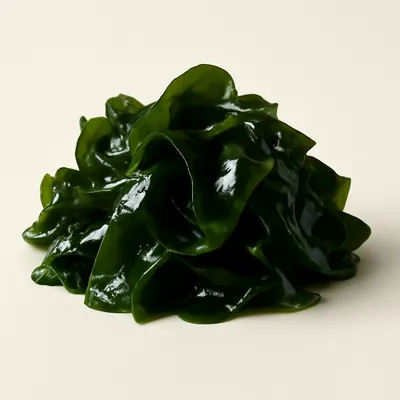
Sunomono is a small, palate-cleansing dish of vegetables and sometimes seafood dressed in a sweet-tart vinegar seasoning. The most familiar version pairs thin-sliced cucumber with rehydrated wakame seaweed, often with boiled octopus or crab added; the dressing is usually sanbaizu, a blend of rice vinegar, soy sauce, and mirin (or sugar). The cucumber is salted and squeezed before dressing so it stays crisp rather than weeping water into the bowl. Served chilled in a small dish, sunomono is a refreshing counterpoint to richer, fattier courses and a standard part of a multi-dish Japanese meal.





Sunomono — literally 'vinegared things' — is a category rather than a single recipe, covering any dish dressed in seasoned vinegar (sunomono and the closely related aemono together make up Japan's repertoire of dressed small dishes). Vinegar (su) has been produced in Japan since rice-vinegar brewing techniques arrived from the Asian mainland in antiquity, and acidulated dishes are long documented in Japanese cooking; no single inventor or birthplace can be attributed to so basic a preparation. The standard dressings are codified by name: nibaizu (vinegar and soy sauce), sanbaizu (vinegar, soy sauce, and mirin or sugar, the everyday choice for cucumber sunomono), and tosazu (sanbaizu enriched with bonito dashi). Sunomono sits in the formal meal as the su-no-mono course, a vinegared dish meant to reset the palate.
Chilled and bright, sunomono hits sour first, then a softer sweetness and a savory undertone from the soy. The cucumber should snap crisply between the teeth — a clean, watery crunch — while the wakame is silky and slippery and any octopus is firm and faintly chewy. The contrast of crisp and slick under the cool vinegar is the whole appeal. A well-made bowl is lightly dressed and not swimming in liquid; if the cucumber wasn't salted and pressed first, it goes limp and floods the dish, dulling the vinegar.
The texture trick is osmosis: salting the sliced cucumber draws water out of the cells through their membranes, so by the time it is wrung out the cucumber has shed the liquid that would otherwise leach into the dressing and turn the dish thin and watery within minutes. Pressing it dry also concentrates the cucumber's own crispness and lets it take on the dressing instead of diluting it. The dressing itself is a balance of acid, salt, and sweetness — vinegar for tartness, soy sauce for salt and savory depth, mirin or sugar to round the sourness so it reads refreshing rather than harsh; tosazu adds dried-bonito dashi, whose inosinate brings umami to the sour base. Dried wakame is rehydrated separately and squeezed so it, too, does not water down the bowl, and seafood is added cooked and cooled so it stays firm in the cold vinegar.
Variations
Cucumber and wakame is the base; common additions are boiled octopus (tako no sunomono), crab, baby sardines (shirasu), or thin strips of omelet. The dressing is swapped to suit the food: lighter nibaizu, the everyday sanbaizu, or the dashi-softened tosazu, which is favored when its milder acidity better suits seafood. Daikon-and-carrot sunomono (namasu) is the celebratory New Year version, dressed in sweet vinegar. Closely related are kohaku namasu and the broader aemono dishes; in some regions a touch of grated ginger or a knot of fresh wakame finishes the bowl.
On the Palate
Where Sunomono sits in the Japanese flavor cloud
Ingredients
Serves 4

How it's made
8 steps · 12 min active + 8 min waiting
- 16 min
Slice the cucumber as thinly as possible, sprinkle with salt, rub gently, and let sit about 5 minutes spread out so the slices weep water.
Watch outSalt the cucumber and let it weep, then wring it hard — skip this and the released water thins the dressing to a watery puddle in minutes.
- 25 min
Rehydrate the dried wakame in cold water until soft and expanded, about 5 minutes, then drain and squeeze out the water; cut any large pieces into bite-size lengths.
- 31 min
Squeeze the salted cucumber firmly by hand to wring out as much liquid as possible.
- 42 min
If using octopus, slice cooked, cooled octopus thinly on the diagonal.
- 52 min
Make the sanbaizu dressing: whisk together rice vinegar, soy sauce, and mirin (or sugar) until the sugar dissolves.
- 61 min
In a bowl, combine the squeezed cucumber, wakame, and octopus.
- 71 min
Pour over the dressing and toss gently to coat just before serving, then chill briefly.
Watch outDress it only just before serving — toss too early and even the wrung cucumber keeps weeping and dilutes the sauce.
- 81 min
Serve cold in small individual bowls, with a little of the dressing spooned over.
Archive tool suggestions — not reviewed
These legacy suggestions have not been evidence-reviewed and are not presented as required tools.