
Omija-cha is a Korean infusion of dried omija, the five-flavor berry of Schisandra chinensis, so named because a single sip carries sweet, sour, bitter, pungent and salty notes at once. The dried berries are not boiled but cold-steeped in water for several hours or overnight, which draws out a clear, ruby-red liquid while leaving the harsh bitterness behind. Sweetened with a little honey or sugar and often finished with a few floating pine nuts, it is served chilled in summer or warm in cold weather. The taste is bright and tart, layered and faintly medicinal, with a lingering, mouth-filling finish.



Omija, the five-flavor berry, has been valued across East Asia for centuries, listed among the classical materia medica of the Shennong Bencao Jing and long used in Korean traditional medicine, where Schisandra is prized as a tonic that calms the lungs and generates fluids. The name itself, meaning the five-flavor fruit, is well documented and points to the berry's unusual flavor range. Brewed into a sweetened drink, it became a refined warm-weather beverage in Korea, the kind of cup poured in the traditional teahouses of Seoul's Insadong; its exact beginnings as a tea are not firmly recorded. The berry also flavors hwachae, a chilled fruit punch, but omija-cha proper is the steeped berry infusion itself.
The first impression is a sharp, clean sourness, quickly chased by sweetness from the honey and a cool, almost piney aromatic lift. Underneath sits a faint bitterness and a curious salty-savory whisper that rounds the whole thing out, so no single taste wins. Served over ice the color glows a deep rose-red, and a few pine nuts bob on top. It finishes tart and refreshing, leaving the mouth watering and oddly invigorated, a drink that tastes as much like a tonic as a treat.
The technique that defines this tea is cold steeping. Heat would pull tannins and the most aggressive bitter compounds out of the dried berries and dull the bright red color, so the fruit is instead left to infuse in cool water over many hours; the slower, gentler extraction draws out the water-soluble acids, sugars and pigments that give the drink its tartness and ruby hue while holding the harsh bitterness in check, leaving the five flavors better balanced. Crushing or splitting the berries first opens them up and speeds the soak. Sweetener is stirred in only after steeping, because the acidity reads as far sharper without it, and the cold infusion is strained clear before serving.
Variations
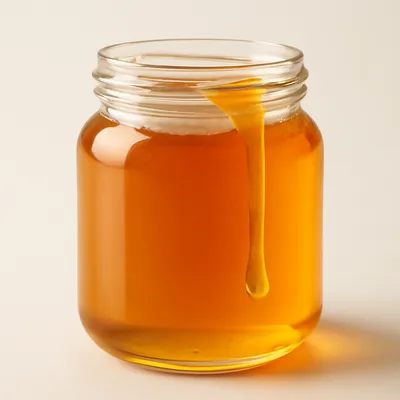
Some cooks shorten the soak to a few hours and accept a lighter, paler brew; others steep overnight for a deeper color and fuller flavor. A traditional touch boils dried jujube, ginger or cinnamon separately and blends the cooled liquid in for extra warmth and body. Sweetening ranges from honey to sugar to omija cheong, a berry preserve put up like the citron version. The same ruby infusion, poured over ice with fruit and pine nuts, becomes omija hwachae, the summer fruit punch, while the plain steeped tea is drunk hot in winter and chilled in the heat.
On the Palate
Where Omija-cha sits in the Korean flavor cloud
Ingredients
Serves 4How it's made
5 steps · 10 min
- 12 min
Rinse the dried omija berries quickly in cool water to wash off dust, then drain.
- 23 min
Lightly crush or split the berries and put them in a jar or pitcher.
- 3600 min
Pour in cool, filtered water, cover, and steep at room temperature or in the fridge for several hours up to overnight, until the water turns clear ruby-red.
Watch outSteep cold, never hot — the water is ready when it turns a clear ruby red; heat would pull out harsh bitterness and dull that bright colour, so give it the long cool soak.
- 43 min
Strain out the berries and stir honey or sugar into the infusion to taste.
Watch outStir the sweetener in only after straining — the acidity of the fruit keeps sugar from dissolving cleanly while the berries are still in.
- 52 min
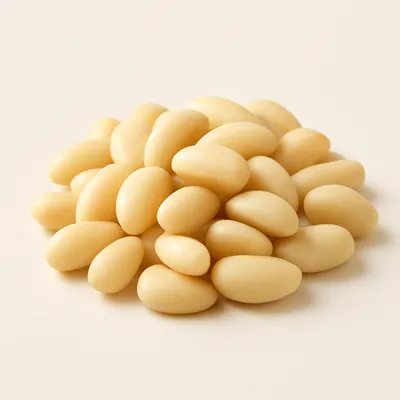
Pour over ice and float a few pine nuts on top to serve cold, or warm gently for a hot cup.
Archive tool suggestions — not reviewed
These legacy suggestions have not been evidence-reviewed and are not presented as required tools.


