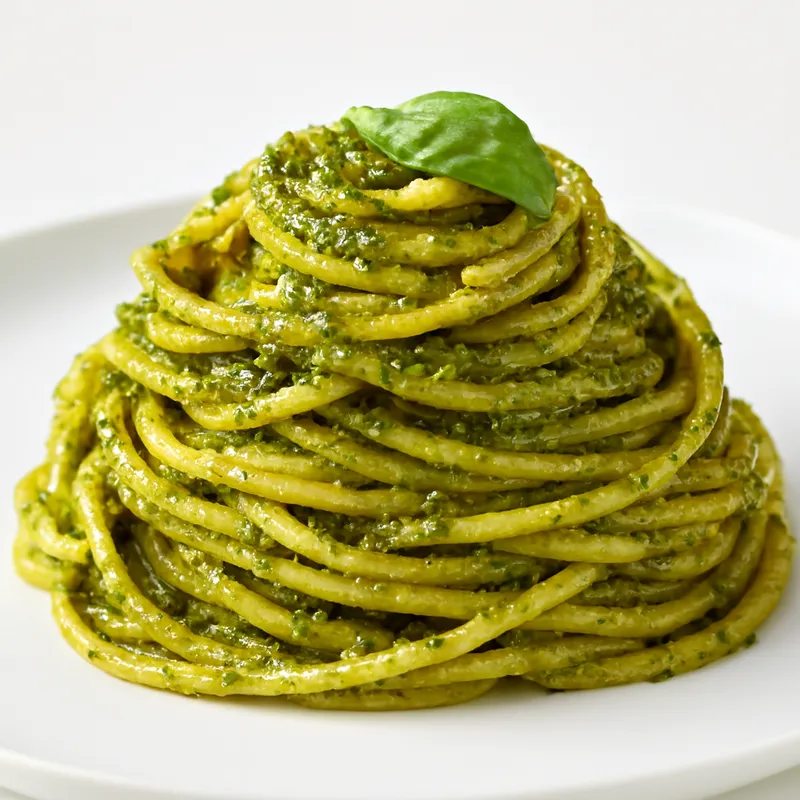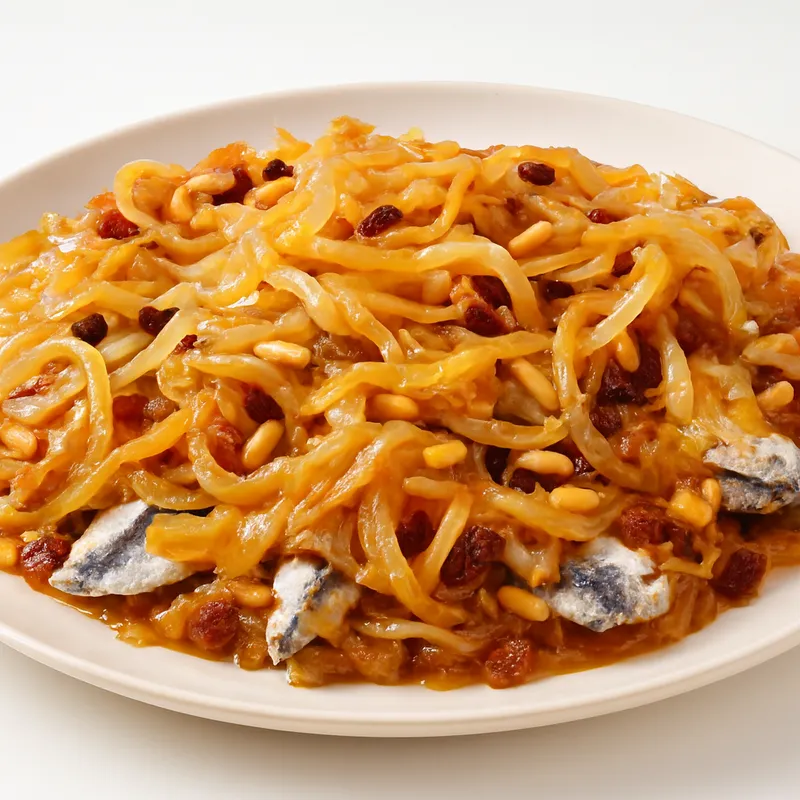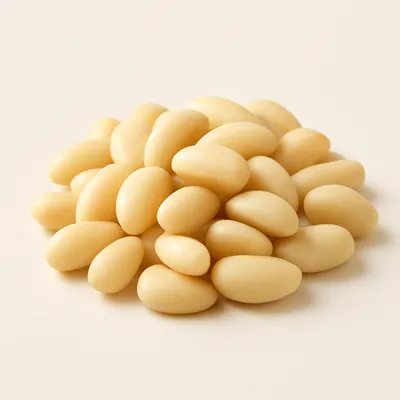
Nutty and buttery with a slight sweetness, Pine Nuts have a tender yet crunchy texture that elevates both savory and sweet dishes. Their rich flavor makes them a luxurious addition to any cuisine.
Where it comes from
Native to Mediterranean regions, Pine Nuts have been a vital ingredient in Italian pesto and various Middle Eastern dishes for centuries, symbolizing luxury and indulgence.
In the kitchen
Often toasted to enhance their flavor, Pine Nuts are sprinkled over salads, incorporated into sauces, or used in baked goods for added richness.
Across cuisines
In Middle Eastern cuisine, pine nuts are often used as a garnish or as part of a stuffing. They are toasted to enhance their nutty flavor and sprinkled over dishes like kibbeh or musakhan to add texture. Pine nuts are also mixed into rice or meat fillings for dishes such as kafta, providing a subtle crunch.
In Middle Eastern cuisine, pine nuts are often used as a garnish or as part of a stuffing. They are toasted to enhance their nutty flavor and sprinkled over dishes like kibbeh or musakhan to add texture. Pine nuts are also mixed into rice or meat fillings for dishes such as kafta, providing a subtle crunch.
In Middle Eastern cuisine, pine nuts are often used as a garnish or as part of a stuffing. They are toasted to enhance their nutty flavor and sprinkled over dishes like kibbeh or musakhan to add texture. Pine nuts are also mixed into rice or meat fillings for dishes such as kafta, providing a subtle crunch.
Nutrition (per 100g)
AI-estimated; model and run unavailable.