
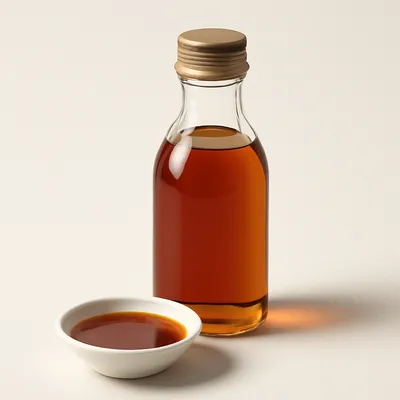
Nakji-tangtangi is a raw-octopus dish from Mokpo, the gateway to South Jeolla's tidal flats. A long-arm octopus, the thin-armed mudflat species Koreans call nakji rather than the bulky common octopus, is chopped extremely fine on a wooden board, dressed with toasted sesame oil and seeds and often minced garlic, and eaten at once while the pieces still twitch and the suckers cling. The name is the sound of the work: tang-tang is the thwack of the cleaver on the board. It is half flavor and half sensation, the unsettling thrill of food that still moves on the plate.




The dish is undated Jeolla folk technique, with no recorded inventor; what is documented is its name, an onomatopoeia for the chop-chop of the cleaver striking the board. The southwestern coast around Mokpo, Muan and Sinan is Korea's prime octopus ground, the tidal mudflats yielding the prized thin-legged young octopus, whose name means thin-legged and not, as is sometimes misread, three-footed. The restorative reputation of octopus is old: the exiled scholar Jeong Yak-jeon, in his marine treatise written on Heuksando in 1814, recorded octopus as sweet, white-fleshed and restorative of vital energy, and famously wrote that feeding three or four to an emaciated, weakened ox makes it sturdy again. The folk sayings that one octopus equals a measure of ginseng, or that it is the wild ginseng of the mudflat, run alongside that record as proverb rather than as quotation from the treatise.
The pieces arrive still moving, a faint shimmer of muscle, and the first sensation is the cool grip of tiny suckers tugging at the tongue before the teeth take over. The texture is the point: springy, bouncy and resilient, with a clean snap that turns chewy-tender as you work it. The flavor is pure tidal flat, briny-sweet and mineral, lifted by the warm nuttiness of sesame oil and toasty seeds, with a bite of raw garlic if added. It demands attention, food that resists being eaten.
The movement is not the animal alive in pieces; the octopus is killed before serving, and what twitches is reflexive muscle contraction in freshly cut tissue. A cephalopod's arms are remarkably autonomous, each holding a large share of the animal's nerve cells and firing local reflexes without the brain, so salt or oil on cut flesh depolarizes the membranes directly and ripples the pieces while the suckers keep gripping, which diners read as a sign of absolute freshness. That same activity is the hazard, since live suckers can adhere to tongue, palate and throat; the sesame oil and fine chopping are functional as well as flavorful, the oil coating the pieces so they slide rather than cling and the chopping breaking up the suckers' grip, with thorough chewing finishing the job. Nutritionally the octopus underwrites its mudflat-ginseng billing, being lean, high in protein and rich in taurine.
Variations
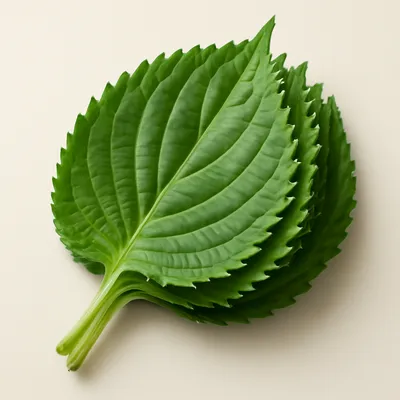
Tangtangi is the finely chopped form of san-nakji, the broader category of live octopus served whole or in wriggling segments; the premium is the thin-legged young octopus of Muan and Mokpo, tenderer than the rest. It can be wrapped in perilla leaves with raw garlic, or dipped in chojang, the vinegared chili paste, instead of or alongside the sesame. A signature Mokpo restaurant version combines the chopped octopus with beef tartare, sometimes with abalone, as a three-part plate. Distinct relatives, not to be confused, include the skewer-wrapped grilled nakji-horong, the clear soup yeonpotang, and the spicy stir-fry.
On the Palate
Where Nakji-tangtangi sits in the Korean flavor cloud
Ingredients
Serves 2How it's made
6 steps · 20 min
- 18 min
Rub the live octopus hard with coarse salt and a little flour, as if washing laundry, to strip off the mucus, then rinse and repeat until it is no longer slippery.
Watch outRub the octopus hard with coarse salt and flour like scrubbing laundry until it stops being slippery — that stripped-off mucus is the difference between clean and fishy.
- 23 min
Remove the head innards, the eyes and the hard central beak, and rinse.
- 34 min
Chop the octopus on a wooden board with rapid cleaver strokes into small, bite-safe pieces, breaking up the suckers.
Watch outChop small and fast to break up every sucker — the pieces must be bite-safe because live suckers can still grip the throat.
- 42 min
Toss lightly with toasted sesame oil and toasted sesame seeds, adding minced garlic to taste.
- 51 min
Plate immediately while the pieces are still moving.
- 61 min
Serve with perilla leaves for wrapping and an optional chojang dip, eating in small amounts and chewing thoroughly.
Archive tool suggestions — not reviewed
These legacy suggestions have not been evidence-reviewed and are not presented as required tools.


