
Jeolla Korean
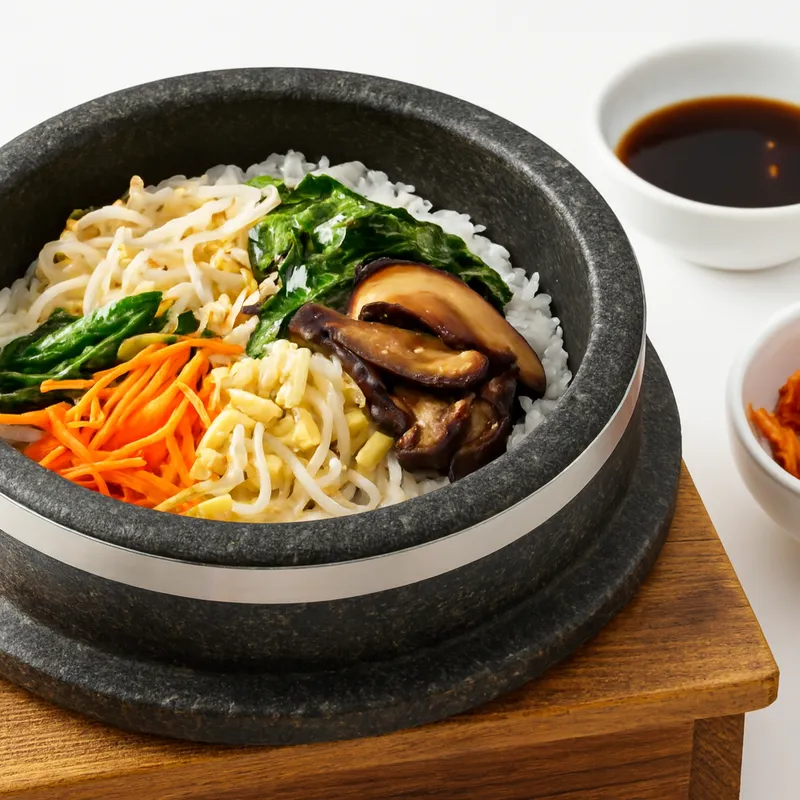
Dolsotbap: hot stone rice, crispy crust.
Banchan
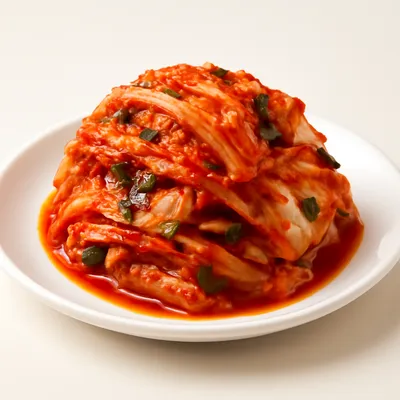
An extensive array of side dishes that showcases Jeolla's rich fermentation traditions and culinary abundance.
View page →Jeolla province in the southwest is widely considered Korea's best-eating region, thanks to fertile rice fields, a long coastline, and a deep tradition of fermentation. A meal here is defined by banchan: order one dish and the table fills with a dozen or more free side plates — kimchi in several forms, seasoned vegetables, fish, and pickles. The local kimchi and gochujang (fermented chili paste) tend to be deeper and more pungent than elsewhere, and Jeonju, the provincial city, is the home of the proper bibimbap — rice topped with an array of seasoned vegetables, raw beef or egg, and gochujang, mixed together at the table. The coast supplies hongeo, fermented skate so ammoniated it is an acquired taste, while tteokgalbi, grilled patties of minced short-rib meat, shows the region's gentler side. The whole province treats generosity at the table — many dishes, all of them seasoned with care — as a point of pride.
Start Here
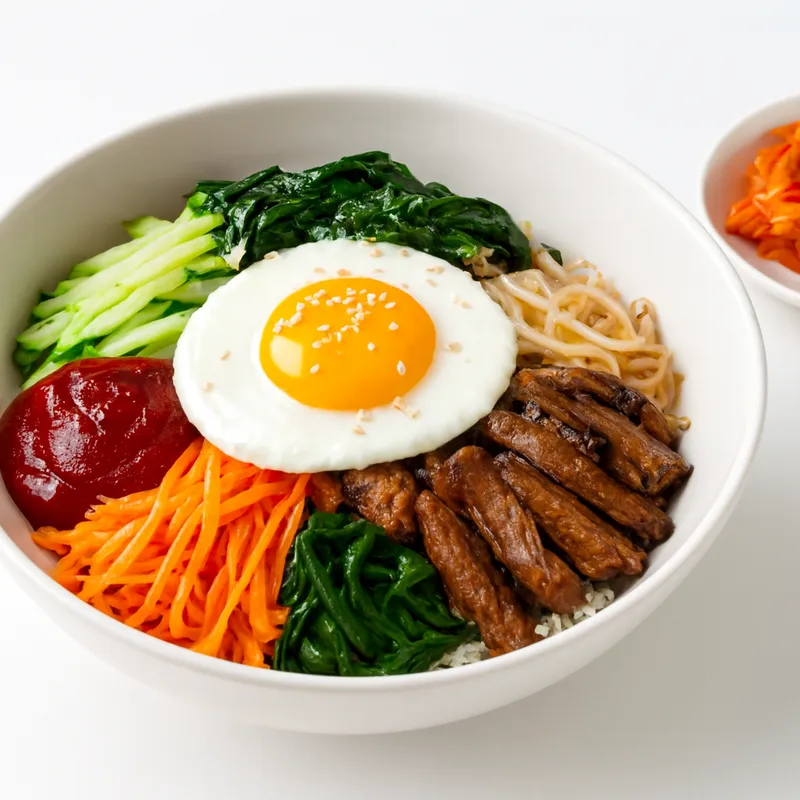
A balanced mix of textures and flavors, bibimbap is a quintessential Jeolla dish that combines seasoned vegetables, a fried egg, and gochujang atop a bed of rice.
Why start here · Starting with bibimbap allows you to experience the essence of Jeolla's approach to balancing and enhancing flavors through a simple yet sophisticated dish.
Dolsotbap is a warm, aromatic rice dish cooked in a stone pot, infusing the grains with the earthy flavors of soybean sprout, shiitake mushrooms, and vegetables.
Why start here · Dolsotbap introduces you to the unique cooking technique of using a stone pot, crucial to achieving the signature crispy rice at the bottom of the dish.
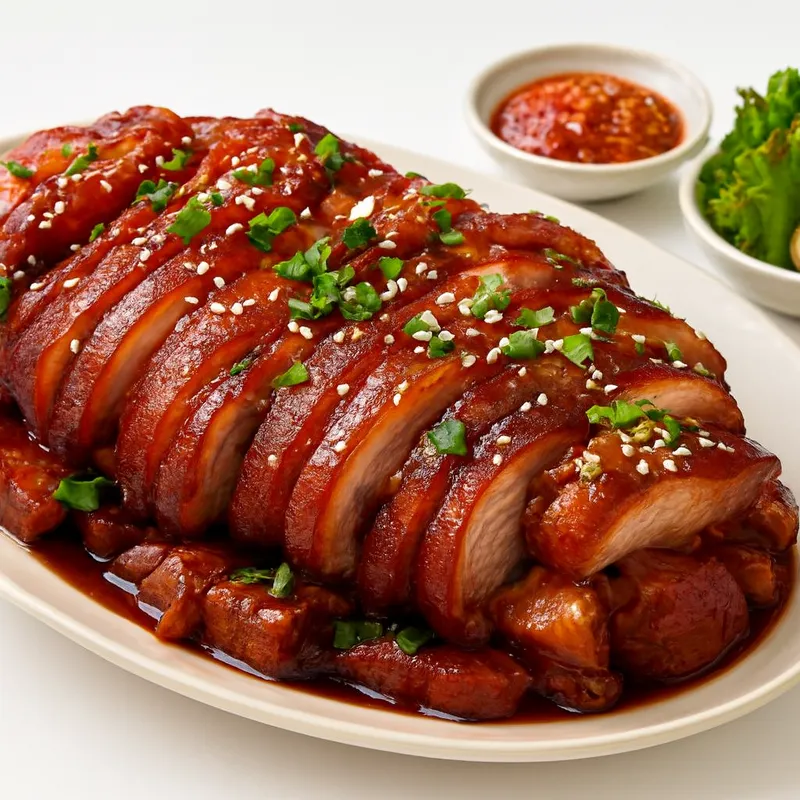
Jokbal, or braised pig trotters, are simmered to perfection in a fragrant broth of soy, ginger, and spices, offering a gelatinous delight that is both savory and slightly sweet.
Why start here · Exploring jokbal allows you to appreciate Jeolla's expertise in slow-cooking techniques that enhance the natural flavors of the ingredients.
The Pantry

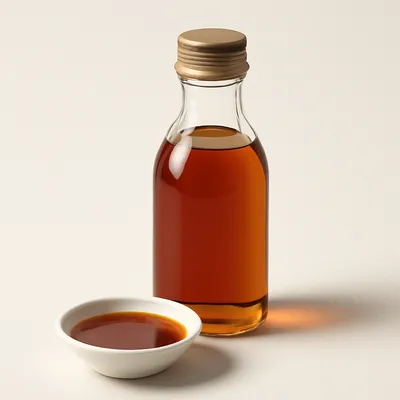






See all 90 ingredients›


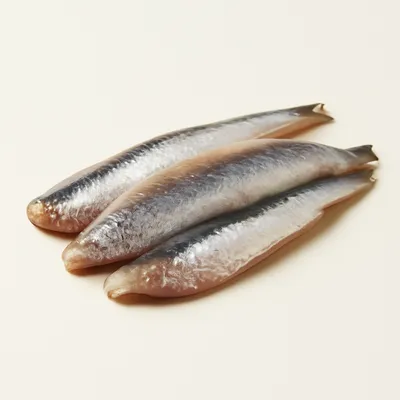


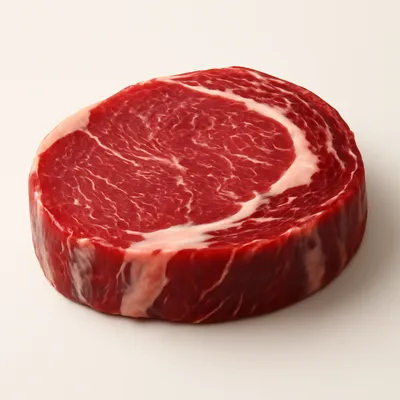


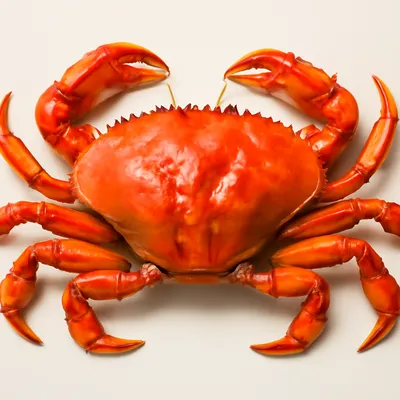
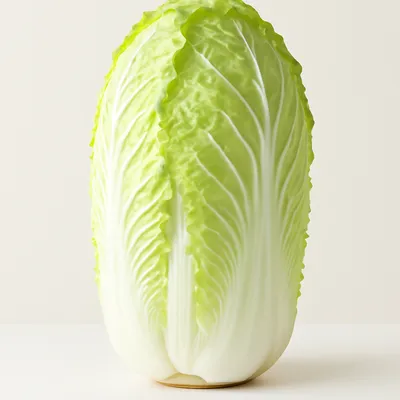






Herbs & Spices

Grains & Staples


Dairy & Fats





How They Cook
Techniques that define this cuisine
Other regions
Siblings within Korean — each its own tradition.


