
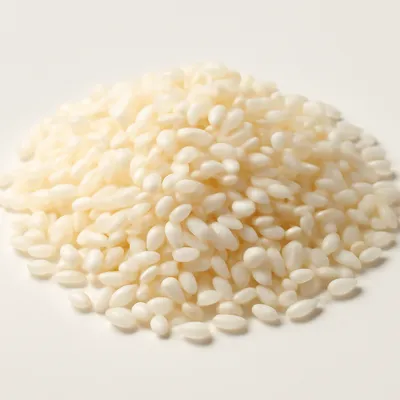
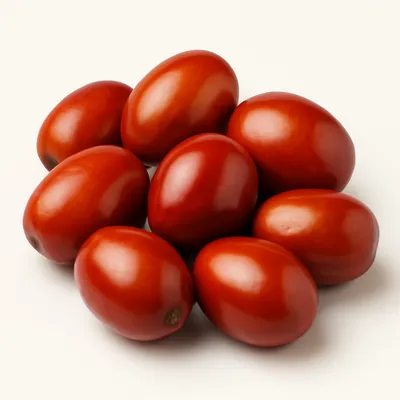
Daetongbap is mixed-grain rice steamed inside a cut section of fresh green bamboo, a specialty of Damyang in South Jeolla. The bamboo cylinder is both cookpot and serving vessel: the rice goes in with black rice, beans and nuts, the mouth is sealed with mulberry paper, and the whole tube is steamed until the grain takes on the bamboo's grassy-sweet scent. It is eaten scraped straight from the tube, the thin inner membrane peeling off into the rice. Though the bamboo vessel reads as ancient, the Korean dish is a modern Damyang creation, built to showcase the region's signature crop.




Damyang, in South Jeolla, is Korea's bamboo country: its soil and mild basin climate make it the largest natural bamboo region, home to the Juknokwon bamboo forest, a long bamboo-crafts trade and a bamboo festival, and its bamboo went to the royal table as far back as the geographical record appended to King Sejong's annals in the fifteenth century. Daetongbap was developed within this bamboo-tourism context to put the local bamboo to culinary use, and it should be read honestly as a modern dish rather than an old tradition. Its exact origin is contested across popular accounts and is best left soft: one credits an early-1990s start in a hamlet of Hadong, in a neighboring province, while in Damyang itself a single farmer's restaurant is widely called the originator and dates its version to about 1999. There is no scholarly record fixing a first; what is settled is that it is now a recognized Damyang local specialty, served as the anchor of a full-course bamboo set.
Fragrant with bamboo, the rice carries a faint grassy-sweet, lightly medicinal note drawn from the green tube. It is glossy and a little sticky from the glutinous rice, with soft pockets of jujube, the toasty richness of chestnut and pine nut, and the bittersweet of ginkgo. Part of the pleasure is in the serving: the lid lifts at the table, bamboo-scented steam rising, and the rice is scraped warm from the barrel with the pale inner membrane clinging to it.
Green bamboo is high in moisture, so a sealed tube on heat becomes a natural steamer, the trapped water and a little of the bamboo sap giving an even, gently pressurized steam that yields notably sticky, glossy rice, reinforced by the glutinous grain. The bamboo releases aromatic sap and loosens its pale inner membrane into the rice, lending the grassy scent and a touch of sweetness, which is also why each tube is single-use: once cooked, a tube no longer gives up its sap or membrane, so a fresh green cylinder is cut each time. The mix of glutinous rice, black rice and grains with ginkgo, jujube, chestnut and pine nut frames it as a nourishing rice, the grains for stickiness and color and the nuts for sweetness, fat and body.
Variations
It is made plain with white rice or, as is now standard, as a nourishing mixed-grain version studded with nuts and dried fruit; it can be eaten unseasoned to taste the bamboo or dressed with a soy-scallion sauce. The real cultural unit is the Damyang bamboo set, daetongbap served with tteokgalbi, the minced Korean-beef-rib patty that is the region's other flagship, and a suite of bamboo-shoot side dishes, with aged kimchi and vegetables, a full spread of a dozen or more dishes. Damyang also markets a bamboo liquor alongside it, most firmly the traditional medicinal spirit jungnyeokgo.
On the Palate
Where Daetongbap sits in the Korean flavor cloud
Ingredients
Serves 2
How it's made
9 steps · 1 hour 30 min
- 115 min
Cut a fresh green king-bamboo segment into a single open-topped cylinder, using bamboo a few years old and one tube per serving.
- 21440 min
Wash and soak the mixed grains, white and glutinous rice with black rice and barley, for about a day.
- 35 min
Fill the tube about sixty percent full with the soaked grain, which will expand.
Watch outFill the tube only about sixty percent — the soaked grain swells a lot as it steams, and a packed tube boils over or bursts.
- 42 min
Add water to about a finger-width above the grain.
- 53 min
Top with peeled chestnut, ginkgo, jujube and pine nut as a garnish layer.
- 62 min
Seal the mouth of the tube with mulberry paper or foil.
- 760 min
Steam the tube upright for about an hour as the bamboo releases its sap and membrane into the rice.
Watch outGive it a full hour upright so the bamboo releases its sap and inner membrane into the rice — that's where the grassy scent and sheen come from.
- 81 min
Serve in the bamboo, lifting the lid at the table so the scented steam escapes.
- 95 min
Eat scraped from the tube, with an optional soy-scallion sauce.
Archive tool suggestions — not reviewed
These legacy suggestions have not been evidence-reviewed and are not presented as required tools.


