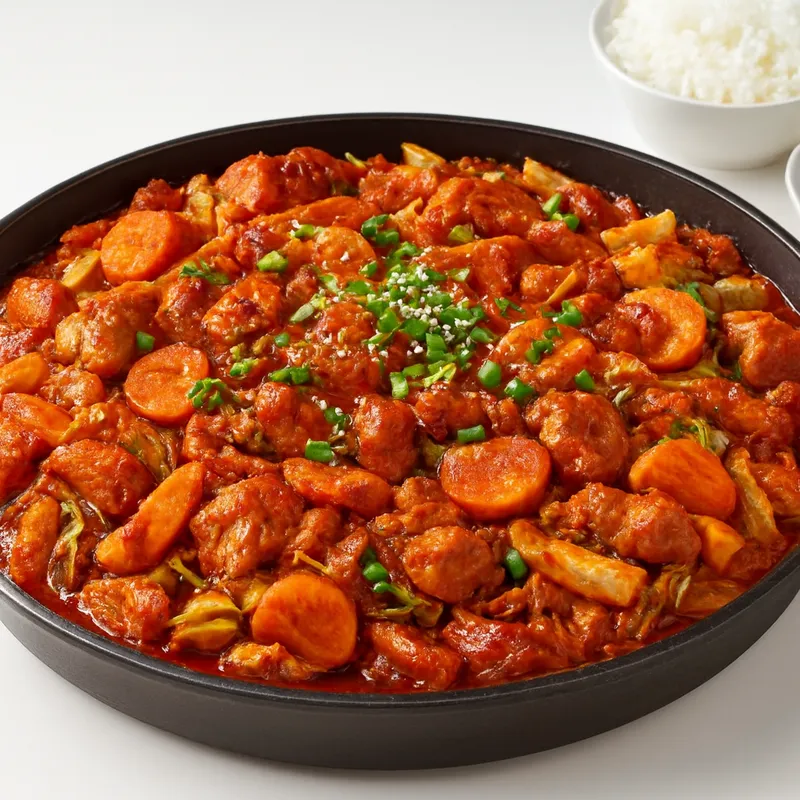
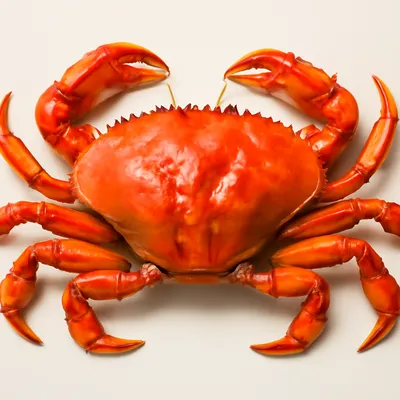
Namdo hanjeongsik is the full-course set table of Jeolla, the southwestern province Koreans treat as the country's food capital. It is the most lavish version of hanjeongsik, the modern restaurant genre descended from old yangban (landed-gentry) home tables: a single meal of rice and soup framed by twenty, thirty, sometimes more small dishes, brought out almost all at once in the Korean han-sang-charim style rather than in Western courses. The Jeolla signature is the array of jeotgal, salted-fermented seafood, often a dozen kinds, alongside namul greens, pan-fried jeon, jorim, grilled fish and meat, raw fish or beef, soy-marinated crab, and a steaming stew. The breadth is the point, and the side dishes are refilled free until the diner gives up.




Hanjeongsik as a word and a commercial format is a twentieth-century thing, though the elaborate table it stages is far older. Joseon-era bansang custom graded place settings by rank, and wealthy local gentry passed down lavish home spreads; the term 한정식 only appears in commercial use after Liberation, documented in railway-station menus by 1947 and standardized through Seoul's administrative menu system in 1972. Jeolla became the dish's heartland for reasons that are well documented: the fertile Honam plain made it the nation's rice basket, the Yellow and South Seas gave a deep seafood and salted-fish culture, and a mild climate and landed wealth funded refined, fermentation-forward tables — the old gazetteers already rank Jeolla's cooking at the very top. Jeonju, the regional capital, was named a UNESCO Creative City of Gastronomy in 2012. The all-at-once table remains the authentic Jeolla form; serving the dishes as sequential courses is a later, mostly upscale overlay first tried in a Seoul restaurant in 1984.
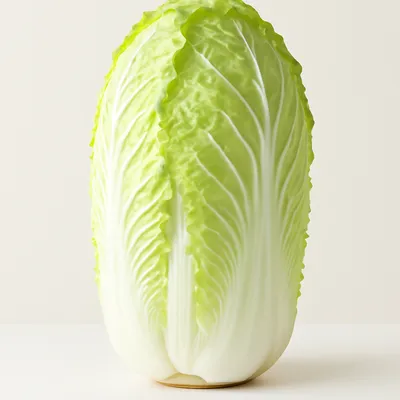
There is no single bite — that is the experience. You graze: a fold of aged kimchi, a spoon of briny toha-jeot shrimp, a slice of grilled fish, a tangle of seasoned namul, a piece of soy-crab sucked from the shell, all over warm rice with a stew on the side. The dominant register is fermented and salt-forward, umami coming from jang and jeotgal rather than seasoning powder, each dish small enough that variety, not volume, fills you. The table itself reads as abundance — plates stacked on plates until the legs seem to bend — and the bowls keep coming back full.
The table is feasible because most of it is mise en place from a fermentation pantry built over days and seasons: jeotgal, kimchi, jang-pickled vegetables and jorim are long-lead items prepared in advance, while only a few hot dishes — grilled fish or meat, fried jeon, a stew or jeongol — are cooked to order, with rice and soup as the base. Jeolla's depth of flavor comes from its salting and fermenting: salt draws water and suppresses spoilage while enzymes and microbes break proteins into free amino acids, so jeotgal and aged kimchi carry concentrated glutamate-rich savor that seasons the whole meal without added MSG. The dishes go out together (the space-spread service), which is why a kitchen can stage dozens at once.
Variations
Style varies by town: Jeonju leans homey and court-inflected, Gwangju maximizes the jeotgal array, while Haenam and Gangjin trade top-tier claims as Namdo hanjeongsik's spiritual home — Haenam's Cheonil Sikdang, founded in 1924, is one of Korea's oldest restaurants. Tables scale from a modest set to a banquet spread of fifty-some dishes, and seasonal versions shift with the catch and the greens. Upscale or fusion houses may plate the same food as sequential courses, a modern reframing of the traditional all-at-once table.
On the Palate
Where Namdo Hanjeongsik sits in the Korean flavor cloud
Ingredients
Serves 4
How it's made
9 steps · 4 hours
- 160 min
Days ahead, build the fermentation pantry: salt and age the jeotgal, ripen the kimchi, and pickle vegetables in soy and jang.
- 245 min
On the morning of the meal, season the cold dishes: dress raw and blanched namul, portion the jeotgal and soy-marinated crab into small bowls.
- 320 min
Prepare the raw plates: slice raw fish or beef tartare and arrange them.
- 440 min
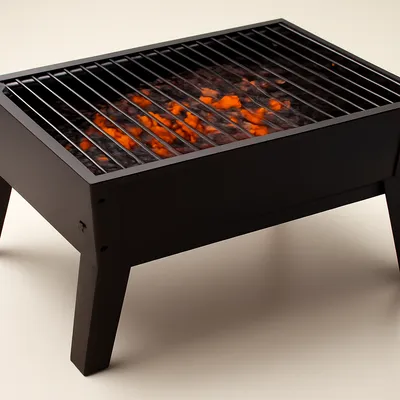
Cook the hot a-la-minute items: grill fish and meat such as tteokgalbi, pan-fry assorted jeon, and set a stew or jeongol on the table.
Watch outCook the hot dishes only à la minute, right before serving — grilled fish and fresh jeon go flabby if they sit, while the fermented banchan are what hold overnight.
- 530 min
Cook the rice and the soup or stew base that anchor the meal.
- 615 min
Arrange the dozens of small dishes, stacking plate on plate as is done in Jeolla.
- 710 min
Serve the whole table at once with rice and soup, and set out soy and chili-vinegar dips.
- 85 min
Refill the banchan freely throughout the meal, topping up whatever empties.
- 910 min
Close with scorched-rice tea and a simple sweet.
Archive tool suggestions — not reviewed
These legacy suggestions have not been evidence-reviewed and are not presented as required tools.