
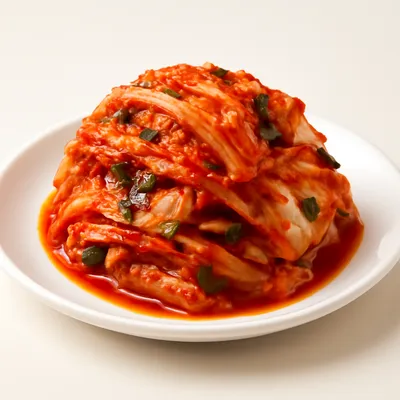
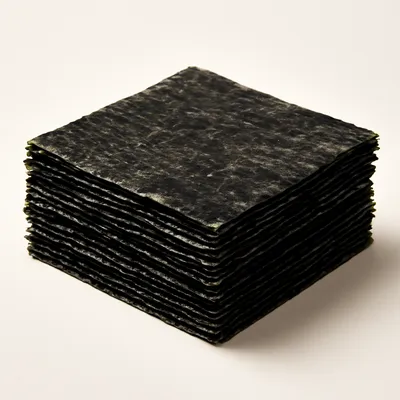
Kimchi fried rice — well-aged, sour kimchi chopped and stir-fried with cooked short-grain rice, most often with ham, spam, canned tuna, or pork. It is finished in the pan with sesame oil and a touch of sugar to tame over-sour kimchi, then plated with a runny fried egg on top and a heap of thinly shredded gim (dried seaweed), scallion, and sesame seeds. The defining Korean leftover dish: it turns day-old rice and a jar of kimchi that has fermented past its prime into a fast, complete one-pan meal.


A frugal home dish rather than a restaurant creation; its exact origin is unrecorded. It grew straight out of the everyday Korean kitchen, where kimchi is the ever-present banchan in every fridge and a pot of short-grain rice is cooked daily, so there is almost always day-old rice and a jar of kimchi gone too sour to eat as a side. Stir-frying the two together is the obvious thrifty answer — a way to use up both at once — which is why it reads as something every household improvised rather than a dish anyone invented.
Hot, glossy rice with a tangy-savory backbone, the chopped kimchi gone slightly sweet and smoky at its caramelized edges. Breaking the yolk lets it run through and bind the grains into something richer; the shredded gim adds a crisp marine snap and the sesame a toasted nuttiness, all of it carried on rice that stays in separate, chewy grains rather than clumping.
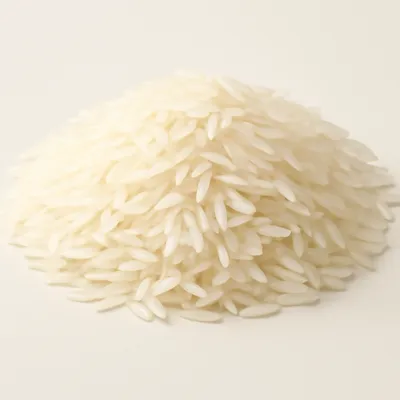
Aged, sour kimchi is the key input: long lacto-fermentation has built up lactic acid but also amino acids and residual sugars, so over high heat its sugars and fermentation byproducts brown via the Maillard reaction — the harsh sourness recedes and the umami deepens and rounds out. The half-tablespoon of sugar or oligo-syrup added to over-sour kimchi works mainly by masking the sour, funky edge and lifting umami rather than neutralizing the acid, and long stir-frying further mellows it; oligo-syrup is often preferred for a cleaner sweetness. Day-old, refrigerated rice fries better because its gelatinized starch has recrystallized on cooling (retrogradation) and its surface moisture has evaporated — the grains are drier and firmer, so they stay separate instead of turning sticky and mushy. Raw meat is fried first until it greys and renders its fat before the kimchi goes in, and the egg yolk, broken over the hot rice, emulsifies and binds it.
Variations
Endlessly adapted to whatever is on hand: with spam, ham, sausage, canned tuna, or pork belly; a knob of butter for nutty richness; topped with melted cheese in the modern style; or made plain without egg. Some cooks use kimchi that has already been cooked into a stew, scooping it straight from the leftover pot. It differs from plain bokkeumbap (fried rice with no kimchi) in its tangy, red character, and from kimchi-based stir-fries like jeyuk-bokkeum (stir-fried pork) or nakji-bokkeum (stir-fried octopus), which are saucy stir-fries served with rice rather than fried rice.
On the Palate
Where Kimchi-bokkeumbap sits in the Korean flavor cloud
Ingredients
Serves 2


How it's made
8 steps · 10 min
- 14 min
Chop the aged kimchi into small pieces and squeeze out excess brine, reserving a spoonful of the brine. Dice any meat and slice the scallion, keeping white and green parts separate.
- 22 min
Heat a little oil in a wide pan over medium-high heat. Add the diced pork (or other raw meat) and fry until it greys and renders its fat.
- 34 min
Push the meat aside, add a touch more oil and the chopped kimchi, and stir-fry 3 to 4 minutes until the kimchi softens and its edges begin to caramelize.
Watch outStir-fry the kimchi until it softens and the edges start to caramelize — that browning is what mellows the harsh sour and deepens the umami.
- 41 min
Stir in the gochugaru and the sugar (or oligo-syrup), letting the sugar melt and the kimchi mellow; add a splash of the reserved brine if it looks dry.
- 53 min
Add the cold day-old rice, breaking up any clumps, and stir-fry over high heat until every grain is coated and heated through and separate.
Watch outUse cold day-old rice and fry over high heat until every grain is separate — fresh warm rice is too moist and clumps into a sticky mass.
- 61 min
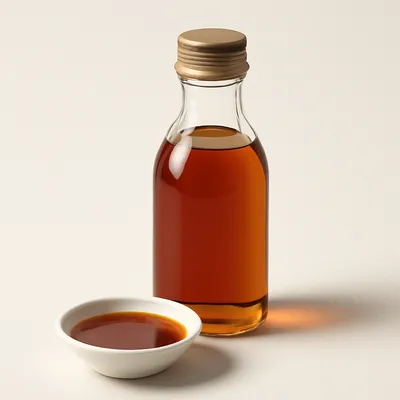
Finish with sesame oil and the scallion whites, toss once, and taste for seasoning.
- 72 min
Fry the eggs separately in a little oil, keeping the yolks runny.
Watch outFry the eggs separately and keep the yolks runny — that soft yolk is stirred through at the table to enrich the rice.
- 81 min
Plate the rice, set a fried egg on each portion, and scatter generously with shredded gim, scallion greens, and sesame seeds.


