A homely old-Beijing dish of fermented mung-bean residue, slow-fried in lamb-tail fat with snow vegetable and green soybeans, finished with a well of sizzling chili oil poured into the center. Greyish-green and faintly sour, it is the sister of douzhi — both are byproducts of the same mung-bean noodle-making — but milder and far easier to love. It cooks down rich and savory, the fermented tang cut by the meaty fat, and it comes to the table in three colors: grey, green and red.



Ma doufu and douzhi come from the very same process. When mung beans are ground and fermented to make starch noodles, the starch is drawn off; what is left splits into a thin sour liquid — douzhi — and a sunken green pulp, which, drained of its water, is ma doufu. Both carry the fermented tang of that shared origin. It was a poor man's dish, a way to turn the noodle-makers' cheap leftovers into something good — kin to luzhu, baodu and douzhi in the old Beijing repertoire of "the poor man's pleasures." Some say it goes back to early Ming, but that rests only on repeated recipe lore with no record behind it; it is safest called simply an old Beijing snack born in the noodle workshops.
A loose, soft mound of greyish-green pulp, glistening with fat, a red pool of chili oil sunk into the middle with flecks of dried chili. The texture is fine and tender, almost spreadable; the taste runs savory and oily with a low fermented sourness underneath, the snow vegetable adding salt and a little bite, the green soybeans a soft pop. Where you hit the lamb-tail fat, a small burst of richness comes through. It is an acquired taste, like douzhi — but a gentle one.
The sourness is no added vinegar — it is the natural product of fermenting the mung-bean pulp, the same fermentation that makes douzhi. The technique is patient frying: lamb-tail fat is diced and rendered, then the pulp is fried slowly over low heat, stirred without stop until most of its water is gone and the surface erupts in a fine honeycomb of bubbles. Snow vegetable and soybeans go in, the fat scraps fold back, and a saucer of fresh-fried chili oil is poured into a well pressed in the center. The lamb-tail fat is the whole point — it gives this lean grey pulp a meaty richness, and stands up to the long frying; skip it and the dish is no longer authentic.
Variations
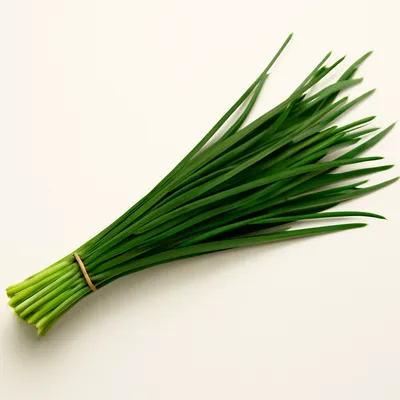
The authentic, mainstream version is fried in lamb-tail fat (or lamb fat); a vegetarian version (su ma doufu) uses plant oil for those who keep meatless or prefer it lighter. Some cooks dress it up — the Peking-opera master Ma Lianliang was fond of a refined version with diced lamb and carrot — but the heart of the dish stays the same: fermented mung-bean pulp, snow vegetable, soybeans, and that final ring of chili oil. Fresh green chives (qing jiu), shredded in at the end, are the traditional aromatic finish.
On the Palate
Where Ma Doufu sits in the Chinese flavor cloud
Ingredients
Serves 3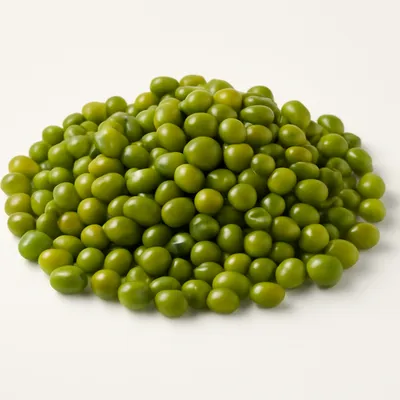
How it's made
8 steps · 30 min
- 15 min
Dice the lamb-tail fat and render it slowly in a wok; set the crisp scraps aside.
- 23 min
Add the drained mung-bean pulp and fry over low heat, stirring constantly.
- 38 min
Keep frying patiently until most of the water cooks off and the surface bubbles into a fine honeycomb.
Watch outFry the pulp patiently until the surface erupts in a fine honeycomb of bubbles — that bubbling means the water's cooked off; stop early and it stays wet and pasty.
- 43 min
Stir in the chopped snow vegetable and green soybeans, with a little soybean paste for savor.
- 52 min
Fold the rendered fat scraps back in and season with a touch of salt.
- 61 min
Mound onto a plate and press a small well into the center.
- 72 min
Fry chili and oil until fragrant and pour the hot chili oil into the well.
Watch outPour the chili oil in truly hot so it sizzles into the well — lukewarm oil won't release the fragrance and just sits greasy on top.
- 81 min
Scatter shredded green chives over the top and serve hot.


