
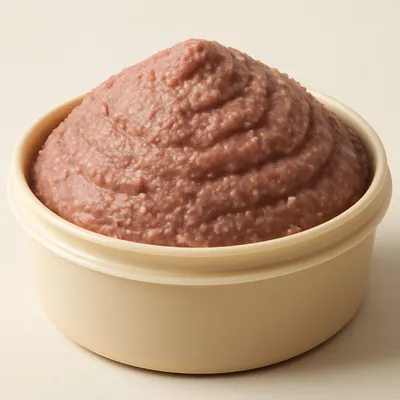
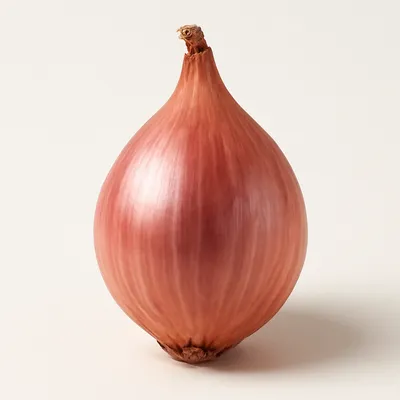
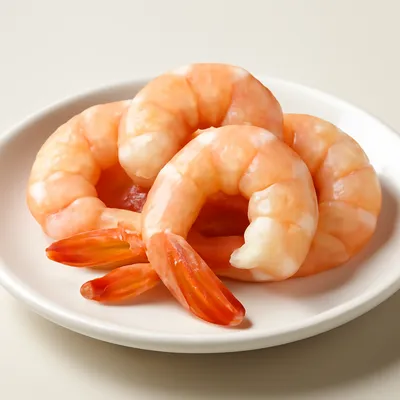
A composed central-plains rice dish built around kapi, Thailand's pungent fermented shrimp paste. The rice is fried with the paste until every grain is glossy and deeply savory, then mounded in the center of a plate and ringed with a deliberate set of cool, sweet, and sharp accompaniments: sweet caramelized pork, ribbons of shredded omelet, slivers of sour green mango, raw shallot, sliced bird's-eye chili, blanched shrimp, and cucumber. You eat it by scooping a little of everything into each bite, so no two mouthfuls are alike. It is humble in origin but theatrically pretty on the plate — a dish where balance is the whole point.


The dish belongs to Thailand's central river plains, the historical heartland of Mon settlement, and some accounts trace its present form to the early Bangkok era; that royal-kitchen lineage is repeated more than it is firmly documented, so it is best treated as folk tradition rather than dated fact. What is clear is its logic: kapi is a preservation technology, fermented shrimp pressed and salted so the sea keeps for months, and inland cooks far from fresh seafood used it to carry a deep marine savor into an everyday plate of rice. The surrounding garnishes — sweet pork, sour mango, raw aromatics — are the Thai instinct for balance made literal, each one answering the heavy salt of the paste.
The first impression is the rice: salty, faintly funky, umami-dense, with a low sweetness underneath. Then the plate does its work — a strand of sweet pork, a sour-crisp shard of green mango, the clean heat of raw chili and shallot, a cool slice of cucumber. The mango's acidity and the cucumber's water are not optional extras; they are the brakes on the paste. Eaten right, it is a moving target of salt, sweet, sour, and heat that keeps resetting itself.
Kapi is the engine. Fermentation breaks the shrimp's proteins down into free glutamates and nucleotides, the same compounds that make aged cheese and fish sauce taste savory, which is why a spoonful floods the rice with umami out of all proportion to its size. The paste must be fried first, low and patient, to bloom its aroma and burn off the raw, sharp top-note that turns people off; rushed over high heat it scorches bitter. The rice is then tossed in this fragrant fat so each grain is sealed and coated. Everything else on the plate is engineered contrast — the green mango's sourness and the raw shallot's bite exist precisely to cut the paste's salt and fat, so balance is literally assembled bite by bite.
Variations
The pork most often used is moo wan, sweet caramelized pork, but Chinese-style sweet pork belly or even sweet dried shredded pork appears; some plates add Chinese sausage (kun chiang) or flaked fried mackerel. Cooks who want more punch fold dried shrimp into the rice. The garnish set is flexible — long beans, raw or fried, and a fried egg in place of the omelet ribbons are common — but the holy trinity of sweet pork, sour green mango, and the shrimp-paste rice is fixed.
On the Palate
Where Khao Khluk Kapi sits in the Thai flavor cloud
Ingredients
Serves 2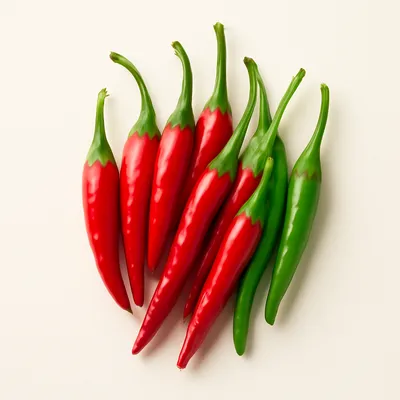
How it's made
8 steps · 40 min
- 16 min
Whisk eggs and fry into a thin flat omelet, then roll and shred into fine ribbons; set aside.
- 28 min
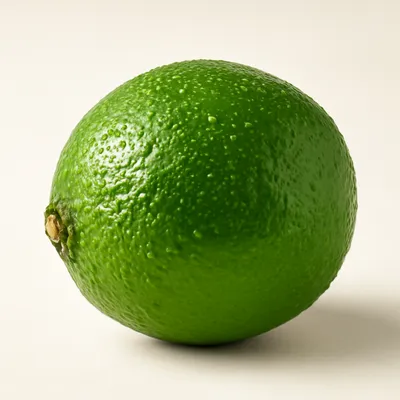
Shred green mango into matchsticks, slice shallot, chili, and cucumber, and blanch a few shrimp; arrange all the cold garnishes.
- 38 min
Cook the sweet pork: simmer sliced pork with palm sugar, soy, and a little water until sticky and caramelized.
- 44 min
In a wok over low heat, fry the shrimp paste in oil, stirring patiently until its aroma blooms and the raw edge is gone.
Watch outFry the shrimp paste low and slow until the aroma blooms and the raw sharp edge is gone — rush it on high heat and it scorches bitter.
- 53 min
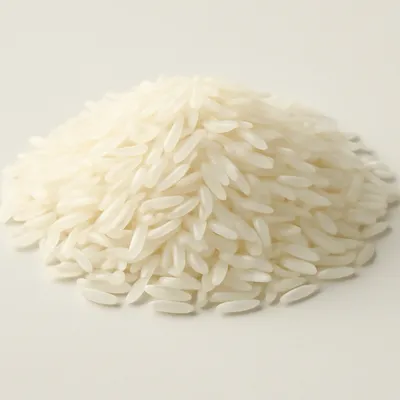
Raise the heat, add day-old jasmine rice, and toss hard so every grain is coated glossy brown.
Watch outCrank the heat and toss the day-old rice hard so every grain gets sealed and coated glossy brown — fresh rice would clump and go mushy.
- 61 min
Taste and adjust with a little fish sauce or sugar; the rice should be deeply savory but not punishingly salty.
- 71 min
Mound the rice in the center of each plate.
- 82 min
Ring the rice with the sweet pork, omelet ribbons, green mango, shallot, chili, shrimp, and cucumber to serve.


