
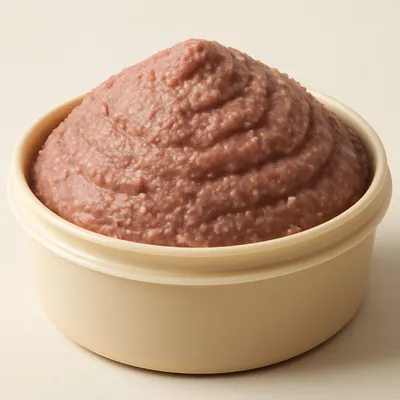
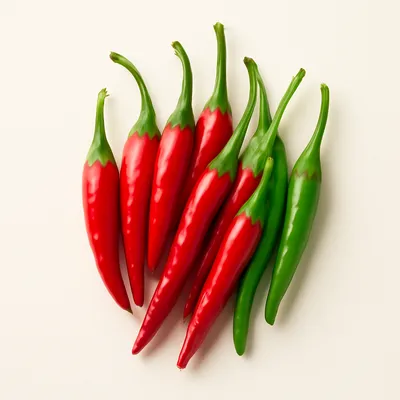
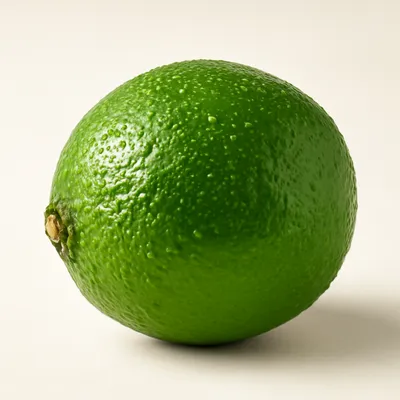
The quintessential Central Thai relish — fermented shrimp paste (kapi) pounded with bird's-eye chili, garlic, palm sugar, and a flood of lime juice into a loose, grey-brown dip. It is the heart of a classic everyday meal called khao nam prik: a spoonful of the pungent paste eaten with crisp-fried mackerel (pla tu), a heap of plain rice, and a wide platter of raw and blanched vegetables. More than any curry, this funky, sour, salty-sweet dip is the taste most Thais will name as the flavour of home.



Shrimp-paste chili relishes have been part of Central Thai cooking since at least the Ayutthaya era, when the river-and-coast geography of the Chao Phraya delta made fermented shrimp and krill paste a cheap, year-round source of protein and salt. Nam prik kapi is the most basic and most universal of the family — there is no single inventor or founding date; it is folk food that long predates written recipes. Its near-permanent partner, fried pla tu (short-bodied mackerel steamed and sold in little woven baskets), reflects the same coastal-delta economy. The whole assembly — funky dip, salty fish, raw greens, plain rice — is a textbook of how Thai cooks build a complete meal from a few intense flavours rather than one rich dish.
A loose, grainy paste the colour of wet clay, glistening with chili flecks and pooled lime juice. The smell hits first — deeply marine, almost cheesy, the unmistakable pungency of fermented shrimp. The taste lands salty and savoury, then sour from the lime, a low sweet hum from palm sugar, and a sharp bird's-eye heat that arrives late. Dragged onto plain rice with a bite of oily fried mackerel and a snap of raw cucumber or long bean, it becomes balanced and addictive in a way the dip alone never suggests.
Kapi is the engine. Months of salt-fermentation break the shrimp proteins down into free glutamates and nucleotides, so a thumbnail of paste delivers a wall of savoury depth no fresh seafood can match — the same umami chemistry as anchovy or aged cheese. Lightly toasting the kapi first (wrapped in foil or dry in the pan) drives off raw harshness and deepens the aroma through Maillard browning. Everything is then pounded, not blended: the mortar bruises the chili and garlic to release their oils and crushes the sugar crystals into the paste, building a rough emulsion that a blender's clean purée can't replicate. Lime juice goes in last and generously — the acid both seasons and loosens the dip to a scoopable, almost soupy consistency, and its brightness is what keeps the heavy fermented base from turning cloying.
Variations
The Bangkok template balances all four tastes; coastal southern versions run hotter and saltier, sometimes folding in grated green mango or fermented krill for extra sour-funk. Some cooks pound in a little dried shrimp or fried garlic for texture; a popular variant adds shredded sour green mango (nam prik kapi mamuang) for a tart crunch. The vegetable platter shifts with the market — Thai eggplant, cucumber, long bean, winged bean, cabbage and morning glory raw; pumpkin, okra and acacia-leaf omelette (cha om) blanched or fried. The fish is almost always pla tu, but fried catfish or grilled snakehead stand in.
On the Palate
Where Nam Prik Kapi sits in the Thai flavor cloud
Ingredients
Serves 4
How it's made
6 steps · 20 min
- 13 min
Wrap 2 tbsp shrimp paste (kapi) in foil and toast in a dry pan over medium heat for 2-3 minutes until fragrant, or dry-toast loose, stirring, to drive off raw harshness.
Watch outToast the shrimp paste just until it smells fragrant and toasty — pull it before it scorches, or the whole dip turns acrid.
- 23 min
In a mortar, pound 5-8 bird's-eye chilies and 4 cloves garlic to a coarse paste.
- 32 min
Add the toasted shrimp paste and 1 tbsp palm sugar; pound until evenly combined into a rough emulsion.
- 43 min
Work in 3-4 tbsp lime juice and 1 tsp fish sauce, tasting as you go, until the dip is salty-sour-sweet-spicy and loose enough to scoop.
Watch outTaste as you add lime and fish sauce — it should land salty-sour-sweet-spicy all at once, loose enough to scoop.
- 58 min
Fry 2 whole pla tu (or other mackerel) in hot oil until skin is crisp and golden.
- 63 min
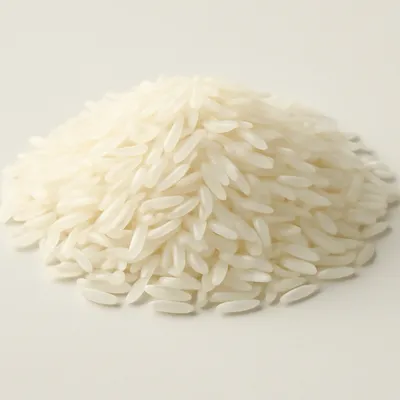
Arrange the dip with the fried fish, a mound of jasmine rice, and a platter of raw and blanched vegetables; serve at once.
Archive tool suggestions — not reviewed
These legacy suggestions have not been evidence-reviewed and are not presented as required tools.


