The everyday Indonesian chili relish: red and bird's-eye chilies pounded in a stone mortar with toasted terasi (fermented shrimp paste), tomato, shallot, garlic and a squeeze of lime, balanced with a little salt and palm sugar. The toasted terasi gives it a deep, savoury funk that sets it apart from a plain chili sauce, and it is the sambal most often found on the Indonesian table — served alongside fried fish, grilled chicken, raw vegetables and rice. It is distinct from terasi itself, which is the raw paste used as one of its ingredients.

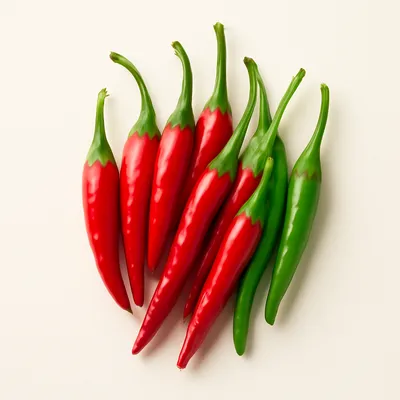
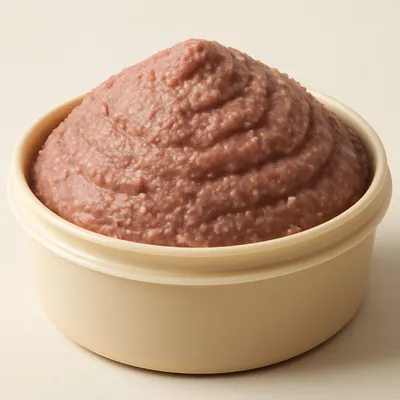

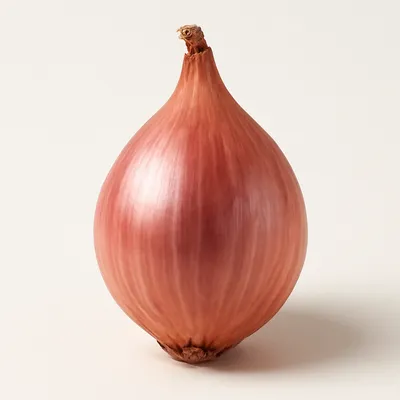

Terasi is Indonesia's fermented shrimp paste, made by salting, fermenting and sun-drying tiny shrimp or krill into a dense, pungent block — a relative of the belacan, kapi and ngapi found across maritime Southeast Asia, and a cornerstone of the region's cooking. Sambal terasi is the chili relish built on it, one of the dozens of sambals that have grown out of the basic pounded-chili sambal oelek by adding aromatics. It carries no single point of origin; it is a pan-Indonesian household staple whose exact balance shifts from kitchen to kitchen and island to island.
The first thing you smell is the toasted terasi — funky, savoury, almost cheese-like, the unmistakable mark of fermented shrimp. Then the heat arrives, fierce and direct from the chilies, with the tomato lending a soft sweetness and body and the lime cutting through with a sharp sour lift. The texture is coarse and pulpy, never smooth, with flecks of chili skin and seed. A little goes a long way: a dab on the side of the plate, scooped up with rice and a bite of fried fish, transforms the whole mouthful.
Toasting the terasi first is the key step — dry-roasting or grilling the paste drives off excess moisture and triggers Maillard reactions that deepen and round out its raw, harsh smell into the mellow savoury funk the sambal depends on. Everything is then pounded together in a stone cobek rather than blended: the pestle bruises and tears the chili and aromatics so their cell walls rupture and release flavour while keeping a coarse, pulpy texture. Salt draws out moisture and helps preserve the relish, palm sugar rounds the edges, and lime adds acidity and brightness at the very end.
Variations
It comes raw (sambal terasi mentah) or briefly fried in oil (sambal terasi matang or goreng), the cooked version keeping longer and tasting mellower. The tomato can be left out for a sharper, hotter relish; some cooks add a green-mango or kecombrang note for sourness, or extra palm sugar for a sweeter Javanese style. Heat is dialled by the ratio of fierce bird's-eye chilies to milder large red ones. Closely related sambals swap or add ingredients — sambal tomat leans on tomato, sambal bajak is cooked down darker and sweeter.
On the Palate
Where Sambal Terasi sits in the Indonesian flavor cloud
Ingredients
Serves 6
How it's made
8 steps · 15 min
- 13 min
Wrap the terasi in foil or a banana leaf and dry-roast or grill it briefly until fragrant and toasty.
Watch outDry-roast the terasi until it smells toasty — this drives off moisture and mellows its raw, harsh funk into the deep savory note the sambal needs.
- 23 min
Roughly chop the red chilies, bird's-eye chilies, shallot, garlic and tomato.
- 33 min
For a cooked sambal, fry the chilies, shallot, garlic and tomato in a little oil until softened.
- 41 min
Tip everything, including the toasted terasi, into a stone mortar (cobek).
- 52 min
Pound to a coarse, pulpy paste, leaving some texture rather than a smooth purée.
Watch outPound it to a coarse, pulpy texture, not a smooth purée — the torn chili cells release flavor while the rough body is what a real sambal wants.
- 61 min
Season with salt and a little palm sugar, pounding to combine.
- 71 min
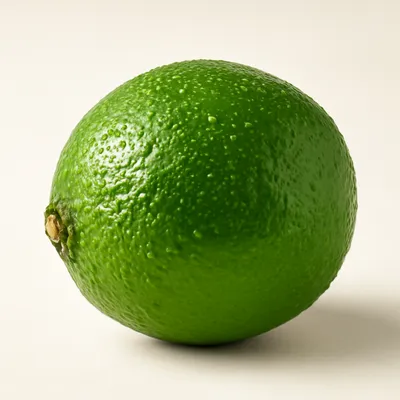
Squeeze in fresh lime juice and stir through.
- 81 min
Taste and adjust the salt, sugar, heat and acidity, then serve in a small bowl alongside the meal.


