A tangy, spicy tofu snack from Cirebon on the north coast of West Java. Small cubes of fried tofu — the hollow, airy kind — are torn into a shallow clay dish and drenched in a thin, sharp dressing of palm sugar, vinegar or tamarind water, garlic, shallot and chili pounded together on the spot. The name comes from 'gejrot,' the splashing sound of the watery sauce being poured over the tofu. It is light, sour-sweet-hot and eaten with a small wooden pick straight from the dish.
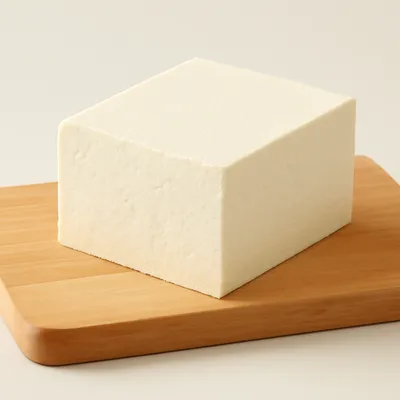

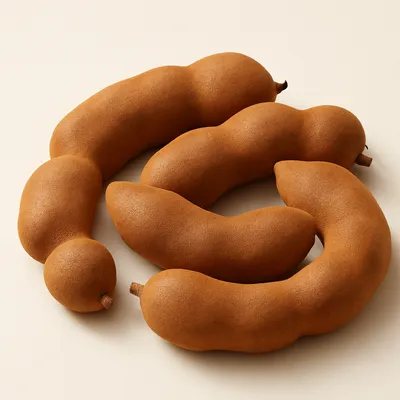

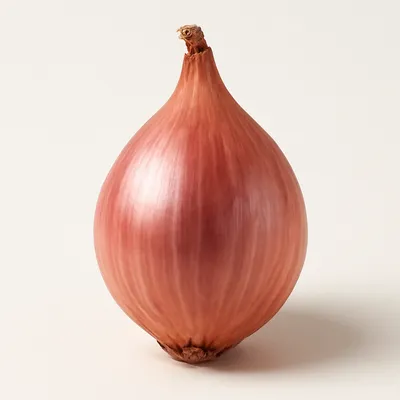
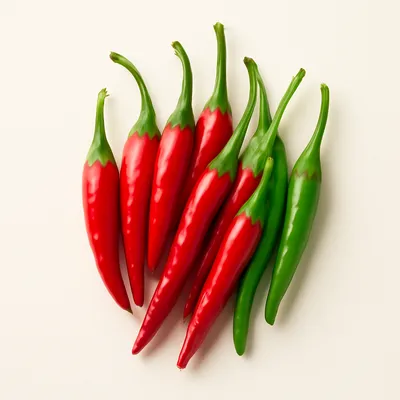
Tahu gejrot is documented as a specialty of Cirebon, the coastal city in West Java with its own Cirebonese culture distinct from both Sundanese and Javanese. The dish is traditionally served in a small earthenware dish (cobek) in which the sauce ingredients are crushed and the tofu dressed. As a regional street snack it carries no fixed founding date, but its association with Cirebon is firm, and Cirebonese vendors carrying the dish helped spread it to Jakarta and beyond.
The tofu is light and spongy, its hollow pockets soaking up the dressing so each cube bursts with sauce when bitten. The dressing itself is thin and bracing — palm sugar sweetness, a sharp sour edge from vinegar and tamarind, the pungency of raw garlic and shallot, and a slow chili heat that builds. It is refreshing rather than heavy, more drink-the-sauce than chew, and the contrast of bland tofu against the loud, watery dressing is the whole point.
Hollow fried tofu has a dry, porous interior that acts like a sponge, drawing the thin sauce deep into the cube — which is why the dressing is kept watery rather than thick. The sauce is built cold by pounding garlic, shallot and chili in the clay dish to release their oils and pungent compounds, then dissolving palm sugar in vinegar or tamarind water; no cooking is involved beyond the prior frying of the tofu. Pounding rather than slicing the aromatics maximizes the raw, sharp aromatics that define the dish.
Variations
The balance of sweet, sour and hot is adjusted to taste — some make it sharply sour, others let the palm sugar dominate. Cooks differ on using vinegar, tamarind water or a mix for the acidity, and on the number of chilies for heat. Some add a little sweet soy sauce for body and color. It is closely related in spirit to kupat tahu and other West Javanese tofu snacks, but its thin, splashed clay-dish dressing sets it apart.
On the Palate
Where Tahu Gejrot sits in the Indonesian flavor cloud
Ingredients
Serves 2How it's made
8 steps · 15 min
- 15 min
Cut hollow fried tofu into bite-size cubes and tear or halve so the insides can soak.
Watch outCut and tear the hollow fried tofu open so the porous insides can soak — the dry sponge interior is what drinks up the thin sauce; leave it sealed and it stays bland.
- 23 min
In a small clay dish, pound garlic, shallot and chili into a rough paste.
Watch outPound the garlic, shallot, and chili rather than slice them — crushing releases the raw, pungent oils that define the dressing; sliced, the aromatics stay muted and the sauce falls flat.
- 32 min
Dissolve palm sugar in a little hot water until syrupy.
- 42 min
Stir vinegar or tamarind water into the palm-sugar syrup to make a thin, tangy dressing.
- 51 min
Combine the dressing with the pounded aromatics in the dish.
- 62 min
Add the tofu cubes and toss to coat, letting them soak briefly.
- 71 min
Adjust the balance of sweet, sour and hot to taste.
- 81 min
Serve in the dish with a wooden pick while fresh.


