The centrepiece of Dai festival hospitality: premium raw beef (or fish) hand-chopped to a silken paste on a wooden board, then dressed with pounded fresh chili, lime juice, aromatic herbs, and a splash of local baijiu. Bracingly fresh, electric with acid and heat, and deeply tied to the rhythms of Xishuangbanna village life.
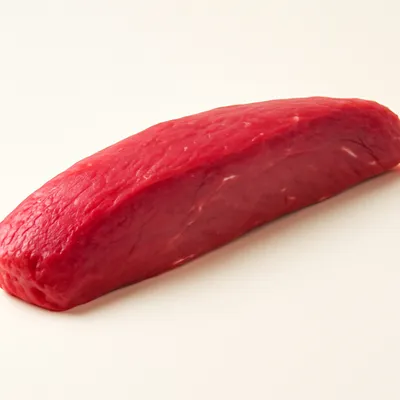
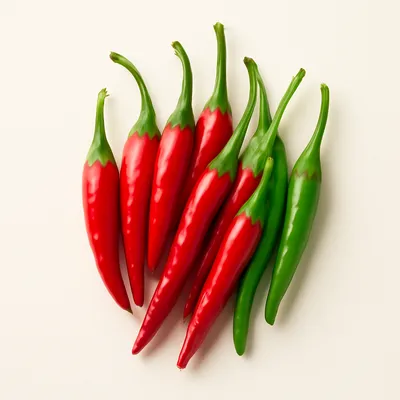
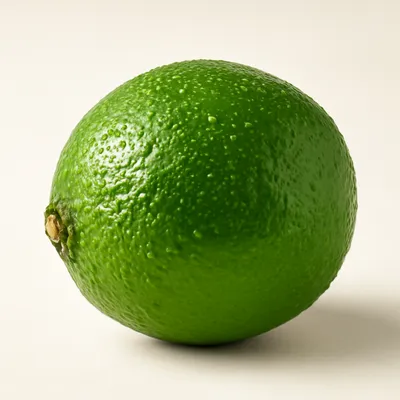


Eating raw minced meat is a culinary tradition shared across the Dai, Yi, Bai, Bulang, and Wa peoples of Yunnan's southern borderlands. A Qing dynasty travel account from the Qianlong period records a Han traveller's encounter with the dish: "凡夷人会饮,切生肉杂野蔬与蒜食之,谓之剁生" (whenever the border peoples feast, they slice raw meat, mix it with wild vegetables and garlic — this they call duosheng). The Dai name for the dish is 紧刹 (jǐnshà). According to oral tradition, the dish originated when a hunter minced game meat finely for an elderly parent who could not chew — the tenderness was achieved by blade rather than heat. Raw beef gradually became the standard base, and the dish evolved into a marker of social honour: in Xishuangbanna, a household that cannot serve duosheng at a major celebration risks real social censure. Contemporary health guidance advises against consuming raw preparations due to parasitic risk; many Dai households now substitute lightly-seared beef.
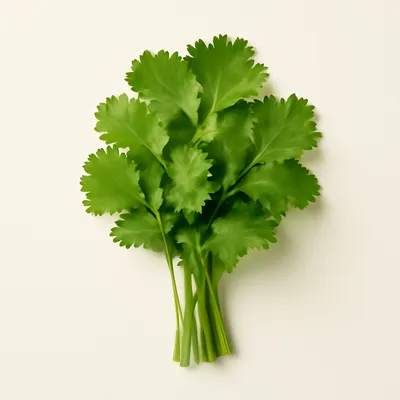
The mound of pale pink paste looks deceptively still. The first mouthful is a shock of pure freshness — raw meat's irony sweetness immediately overtaken by searing lime acid and the deep throaty burn of pounded chili. Cilantro and aromatic herbs create a herbal green current underneath. Served scooped into a leaf or alongside sticky rice, it is addictive and wholly unlike anything cooked.
The acid in freshly squeezed lime juice (pH 2–3) partially denatures surface proteins in the minced beef — collagen and myosin begin to unravel, creating a texture shift sometimes called "cold cooking." This is the same principle as ceviche. The denaturation whitens the outer layer of the meat paste slightly, signalling the chemical change even without heat. Pounding chili rather than slicing it ruptures more cell walls, releasing a greater concentration of capsaicin and volatile aromatic compounds. The addition of high-proof baijiu further assists in dissolving lipid-soluble aromatics and carries a modest bacteriostatic effect — an empirical food-safety measure embedded in the recipe long before microbiology was understood.
Variations
Fish duosheng (鱼剁生): freshwater river fish (grass carp or catfish) finely minced and dressed identically — more delicate in flavour, fishier in aroma, typically served with banana flower. Poultry version: free-range chicken breast minced with lemongrass and kaffir lime leaf, reflecting Dai cuisine's Southeast Asian herbal grammar. Modern semi-cooked version: beef briefly seared over very high flame for 30 seconds, then minced and dressed — a compromise between tradition and food safety now common in Jinghong restaurants.
On the Palate
Where Dai Raw Minced Meat sits in the Chinese flavor cloud
Ingredients
Serves 4

How it's made
7 steps · 20 min
- 15 min
Select premium fresh beef (tenderloin or top round); trim all sinew and fat; slice across the grain into thin strips.
- 210 min
Chop strips on a hardwood board with a heavy cleaver, using a rocking motion, until the meat reaches a smooth, paste-like consistency — about 8–10 minutes of continuous chopping.
Watch outRock-chop the beef a full eight to ten minutes to a smooth paste — anything still stringy won't take the lime evenly or bind into that silky mince.
- 35 min
Pound fresh Thai chilies and garlic in a mortar until a coarse paste forms; do not blend, as pounding releases more aromatics.
- 45 min
Squeeze lime juice directly onto the meat paste and mix immediately; the acid will begin denaturing the surface proteins within 5 minutes.
Watch outSqueeze the lime on and watch the surface pale within a few minutes — that whitening is the acid 'cooking' the meat; no color shift means not enough juice.
- 53 min
Add the chili-garlic paste, finely chopped cilantro, sliced scallions, and a small splash of high-proof baijiu; mix thoroughly.
- 65 min
Taste and adjust with salt; let rest 5 minutes for flavours to meld — the paste should taste electric, bright, and intensely savoury.
- 72 min
Serve mounded on a plate lined with banana leaf, accompanied by sticky rice and fresh vegetable crudités for scooping.