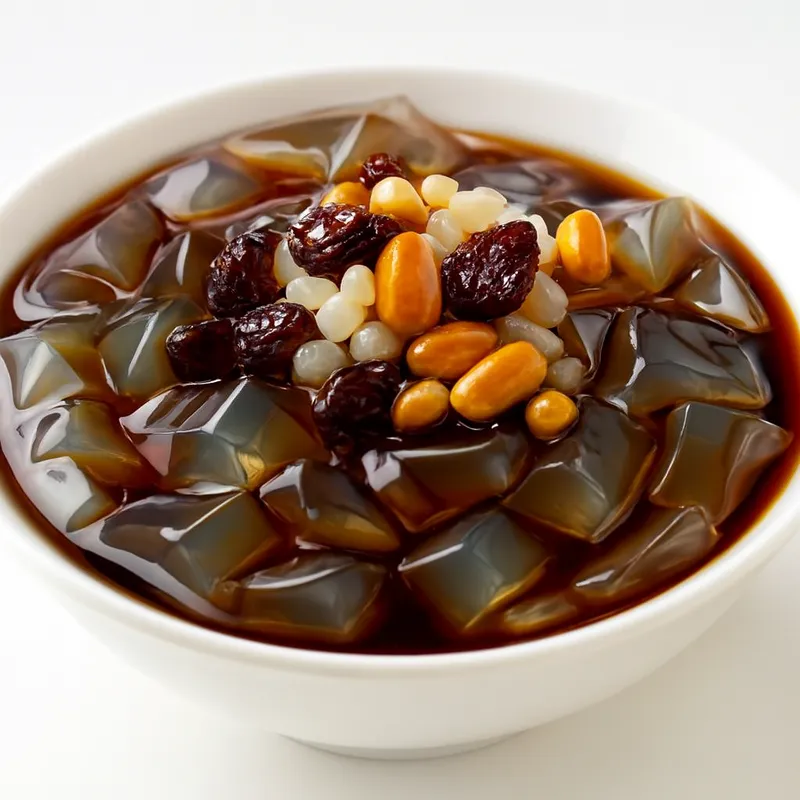
Crossing-Bridge Rice NoodlesWild Mushroom HotpotBeef SapieBingfen
Yunnan, Southwest China

Yunnan

Crossing-bridge noodles: hot-oil broth.

67 dishes · 217 ingredients · 21 techniquesOverview
Signature·Dish

Crossing-Bridge Rice Noodles

A steamy bowl of velvety chicken broth teems with delicate rice noodles, tender chicken...

View page →

Yunnan is China's most-biodiverse province — 25 ethnic minorities, alpine to tropical climate zones — and the kitchen reflects all of it. Crossing-bridge rice noodles (guoqiao mixian) is the signature: a bowl of intensely hot chicken broth covered in a layer of oil that traps heat, raw thin-sliced chicken, ham, vegetables, and noodles dropped in tableside — the meat cooks in the bowl. Wild mushroom hotpot during the rainy-season mushroom boom — Yunnan provides porcini, matsutake, and chicken-mushroom-of-the-woods to high-end restaurants worldwide. Xuanwei ham — air-cured in cool mountain conditions — rivals Jinhua. Dai-people cooking from Xishuangbanna brings tropical influences: pineapple rice, sour-spicy fish, banana-leaf wraps. Cha cuisine (Bai-people) uses fresh cow's-milk cheese (rushan, rare in China) and rose petals. The cuisine is geographically and ethnically the most-varied in China.

Start Here

Crossing-Bridge Rice Noodles

A bowl of scalding chicken broth covered with chicken fat (which traps heat), arrives with raw sliced chicken, ham, mushrooms, vegetables, and noodles on the side — diner adds them tableside and the heat cooks everything.

Why start here · Crossing-bridge noodles teach Yunnan technique — the oil-as-insulator trick allows raw ingredients to cook in the bowl. Both clever and delicious.

Wild Mushroom Hotpot

Dozens of fresh wild mushrooms from Yunnan's monsoon forests — porcini, matsutake, milk caps, chicken-of-the-woods — simmered in a clear chicken-and-pork broth for 30 minutes before any meat goes in.

Why start here · Yunnan wild mushroom hotpot is the foraging dish that defines the province. The broth is the patience; the mushrooms are the show.

Cook First

The easiest way in

The Pantry

See all 217 ingredients

How They Cook

Techniques that define this cuisine

See 17 more techniques

Kindred Kitchens

Cuisines built on the same signature ingredients

Other regions

Siblings within Chinese — each its own tradition.

Sichuan
163

Numbing-spicy heat built on Sichuan peppercorn and fermented broad-bean paste — bold, layered, unapologetic.

Cantonese
118

Fresh produce, live seafood, delicate steaming — taste the ingredient first.

Fujian
95

Mountain and sea together — dried seafoods, silken broths, Buddha Jumps Over the Wall.

Dongbei
89

Hearty stews, sour cabbage, guo bao rou — the food that survives winter.

Hunan
82

Drier, sharper heat than Sichuan — smoked chiles and sour-pickled notes.

Shandong
82

Northern seafood tradition, clear broths, knife-work learned from imperial kitchens.

Jiangsu
80

Precision knife-skills, sweet-savoury balance, slow braising.

Shaanxi
78

Wheat-and-lamb Silk-Road heart — biangbiang noodles, rou jia mo, Xi'an Hui-Muslim influence.

Anhui
63

Wild herbs, mountain mushrooms, and the fermented funk of stinky mandarin fish.

Zhejiang
62

Light, bright, honest — West Lake fish, Dongpo pork, and the poetry of water towns.

Teochew
61

The refined seafood cooking of the Chaoshan plain — galangal-scented master-stock goose, hand-pounded beef balls and beef hotpot, raw-marinated crab and cockles, cold 'fish rice', oyster omelettes, and an endless family of steamed rice cakes (粿).

Beijing
60

Imperial roasting, deep savoury broths, and the craft that defined palace banquets.

Shanghai
59

Sweet red-cooking, oil-rich, and the quiet confidence of 本帮 home cooking.

Shanxi
55

China's noodle heartland and the home of aged vinegar — knife-shaved noodles and a hundred other hand-formed pastas, oat 'kaolaolao', cured Pingyao beef, the vinegar-bright 'guoyourou', and Taiyuan's tonic breakfast 'tounao'.

Guangxi
53

Zhuang-minority sour-funk — Liuzhou snail noodles, Yangshuo beer fish, fermented bamboo.

Gansu
48

Hexi-Corridor Silk Road — Lanzhou beef noodle, Hui-Muslim halal traditions.

Guizhou
48

Mountain cooking built on sourness and fermented chili rather than the numbing heat of Sichuan — red sour-soup fish, fish-mint, pounded-chili 'laziji', rice-noodle bowls, and the silk-roll snacks of Guiyang.

Hong Kong
48

Sock-pulled milk tea, baked pork chop rice, dim sum perfected — Cantonese rewritten by colonial trade.

Henan
47

Central-plains imperial heart — hu la tang at dawn, Henan stewed noodles, Song dynasty heritage.

Hubei
43

Central freshwater fish kitchen — Wuhan re-gan-mian, Wuchang fish, sanxian doupi.

Hebei
42

The cooking that rings the capital, in three streams: the Zhili governor's banquet cuisine of Baoding (crispy wrapped pork knuckle, governor's tofu), the donkey-meat sandwich of Baoding and Hejian, and the frontier game and lamb of imperial Chengde.

Jiangxi
41

Fresh-hot rather than numbing cooking from the Gan River basin — clay-pot urn soups, blood duck, artemisia with cured pork, smoked bamboo, and a deep tradition of rice noodles.

Tianjin
38

The river-and-sea cooking of the treaty port at the mouth of the Hai River, where nine rivers drain to the gulf. It runs to the steamed-bun craft of Goubuli, the breakfast crepe jianbing guozi, the fried sweets of the city's 'Three Wonders,' and a wok line of fierce, oil-bright stir-fries like lao bao san.

Hainan
32

Tropical island — Wenchang chicken, coconut hotpots, South-China-Sea seafood.

Hakka
31

The thrifty, salt-loving cooking of the migrant Hakka — stuffed tofu and stuffed vegetables (酿), salt-cured and salt-baked poultry, preserved mustard greens, rice-wine chicken, and a whole family of rice-flour 粄 cakes and thunder tea.

Signature Dishes (67)

Browse all 67 dishes

Mains

34