




From central Yunnan around Kunming, where the edible 食用玫瑰 — a double-petaled edible-rose cultivar (botanically closer to the China rose / Damask-rose lineage than to true Rosa rugosa) grown in the highland villages of An'ning and Mile — has been farmed for petals since the Ming. Rose cakes are documented in late-Qing Beijing (the 玫瑰饼 of the Yanjing Suishiji); the modern Yunnan-style (滇式) flaky version is generally traced to Kunming's Guanshengyuan bakery around 1945. Modernized and commercialized as a Yunnan tourism souvenir from the 2000s.
Filling is salt-massaged, sugar-packed, fermented two to four weeks — that's where the dark color and tart edge come from; fresh rose paste alone tastes like soap. Petals from An'ning and Mile cultivars of Rosa rugosa, farmed since the Ming. Lard-laminated 油酥 dough, not butter puff.
A small puck of layered, golden-brown pastry that shatters into flakes the moment teeth touch it. Inside, a dark magenta paste of sugar-cured edible rose petals — perfumey, slightly tart, intensely floral, not sweet-cloying. Eaten with tea. The crust should sound dry and feel hollow when tapped; if it bends or feels heavy, it's stale or underbaked.
The filling is rose petals salt-massaged for a day, then sugar-packed and aged 2-4 weeks until they ferment slightly — this is what gives the dark color and the tart edge. Fresh rose paste alone tastes like soap. The Chinese laminated dough (water dough wrapping fat dough) creates the flake structure, distinct from European butter lamination — it uses lard, which gives a drier, crisper shatter than puff pastry.
Variations
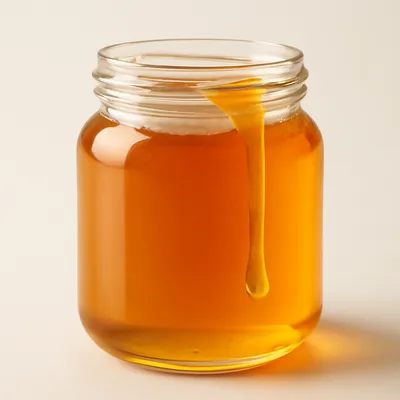
Kunming Jiahua bakery (the modern commercial benchmark) adds honey to the filling; old Mile village versions are looser-textured and less sweet; Shanghai-Suzhou crossover bakeries swap lard for butter, which gives a brioche-leaning crumb instead of the dry shatter.
On the Palate
Where Yunnan Flower Pastry sits in the Chinese flavor cloud
Ingredients


How it's made
5 steps · 1 hour 30 min
- 110 min
Prepare the dough by mixing flour and lard until crumbly.
Watch outRub the lard into the flour until it looks like coarse crumbs that just hold together when pressed — over-mixed, the fat warms and the pastry won't shatter.
- 210 min
Roll the dough into thin sheets.
- 36 min
Mix rose petals with sugar and honey for the filling.
- 410 min
Place filling on dough and fold into desired pastry shape.
Watch outSeal the pastry tight with no gaps — the rose filling leaks and scorches on the pan if the seam opens in the oven.
- 552 min
Bake until the crust is golden and flaky.
Watch outPull them when the surface is pale gold and you can see the layers lifting — waiting for deep brown dries the flake out.


