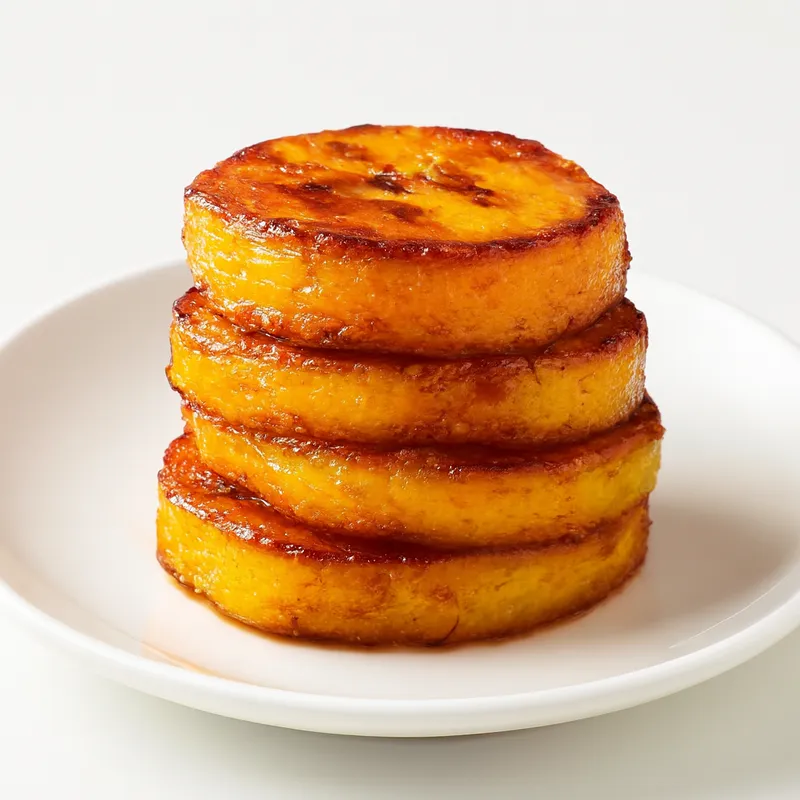
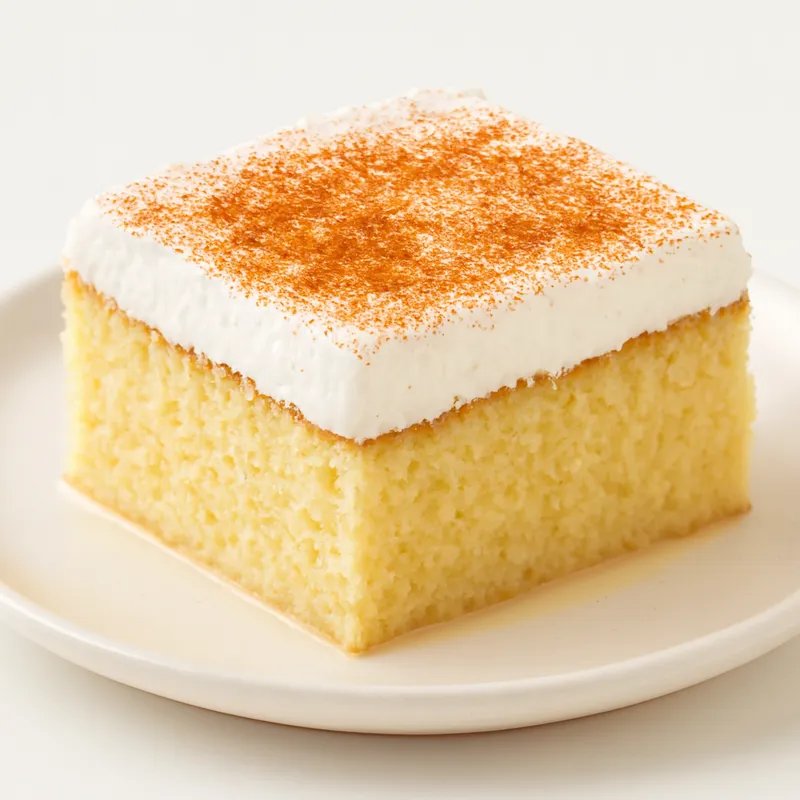
Fried yuca-and-root-vegetable fritters with a hint of anise, shaped into figure-eights and drenched in a cinnamon-and-citrus syrup. The Cuban Christmas Eve sweet.
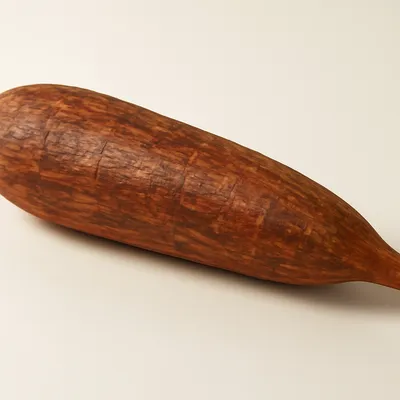
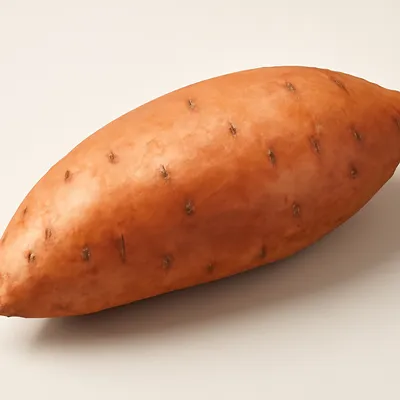


Buñuelos in Spain are a 16th-century Moorish-influenced wheat fritter. The Cuban version replaces wheat with yuca and boniato — both Taíno staples cultivated in the Caribbean before European contact. This is a clear pre-Columbian substitution onto a Spanish technique, locked in during the colonial era. The anise syrup and the Nochebuena timing are Spanish carryovers; the starch base is Indigenous.
Spanish 16th-century wheat fritter rebuilt on Taíno ground — yuca and boniato, both cultivated in the Caribbean before Columbus, replace the flour. The 60/40 yuca-to-boniato ratio is the formula: yuca alone is rubbery, boniato alone pasty.
Twisted figure-eight or cross-shaped fritters, deep-fried until golden, drizzled with anise-and-citrus syrup that pools on the plate. The dough is yuca mashed with a second root — most often malanga, sometimes boniato (Cuban sweet potato) or calabaza — bound with egg, not the wheat-flour buñuelos of Spain. Texture is chewier, almost mochi-like at the center, with a thin crisp shell. Eaten warm at Christmas Eve (Nochebuena), one or two per person, with thick coffee.
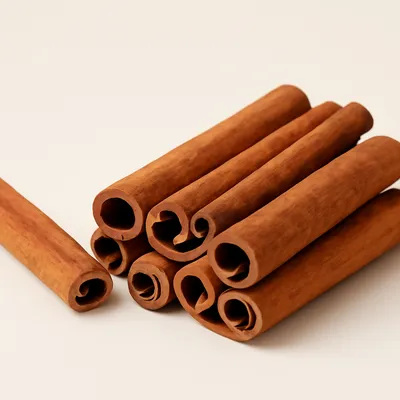
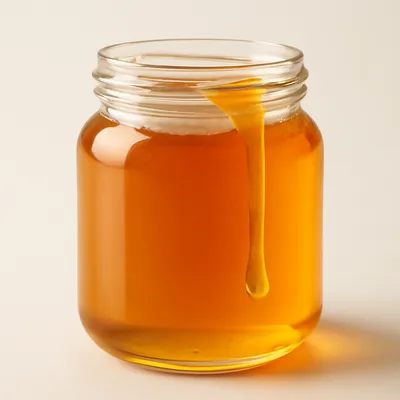
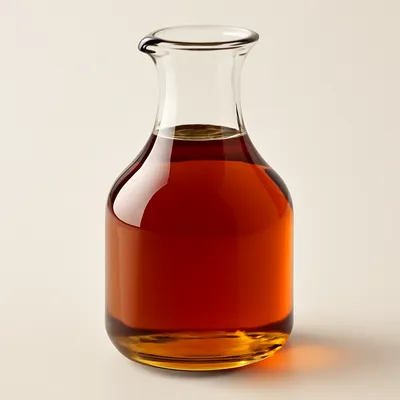
The formula pairs starchy yuca with a softer root: yuca alone is too elastic and rubbery, so it is mashed together with malanga, boniato (Cuban sweet potato), or calabaza, whose softness and sugars help the dough hold shape, brown, and gain flavor. Both must be boiled until just fork-tender — not so soft the dough won't come together — then riced or mashed smooth, the fibrous yuca strands picked out, and bound with egg before frying at roughly 175–190°C / 350–375°F. The syrup (almíbar) is sugar and water simmered to a light honey-like body with cinnamon, star anise, and lime juice and zest. The figure-eight twist is sometimes read as a symbol of abundance and sometimes as simply practical for shaping and crisping — accounts differ.
Variations
Buñuelos Cubanos in figure-eight (Nochebuena standard); buñuelos de viento (Spanish hollow wheat-puff cousins, no root vegetable); Colombian buñuelos (cheese dough, round balls); Mexican buñuelos (thin wheat discs in piloncillo syrup). The second root varies by household — malanga, boniato, or calabaza alongside the yuca.
On the Palate
Where Buñuelos Cubanos sits in the Cuban flavor cloud
Ingredients



How it's made
5 steps · 1 hour 30 min
- 126 min
Boil yuca and sweet potato until tender.
Watch outBoil the roots only to fork-tender — soft enough to mash but not waterlogged, or the dough turns slack and won't hold a ring.
- 216 min
Mash together with egg and anise seed.
- 316 min
Form into small rings or logs.
- 426 min
Fry in hot oil until golden brown.
Watch outFry at a lively but not smoking heat until deep gold — too cool and they soak up oil and stay greasy inside.
- 56 min
Drizzle with honey and sprinkle with cinnamon before serving.
Archive tool suggestions — not reviewed
These legacy suggestions have not been evidence-reviewed and are not presented as required tools.