


Plantain reached the Caribbean from West Africa via Spanish and Portuguese trade routes in the 16th century (a Portuguese friar is credited with introducing it to Santo Domingo in 1516). The crop was domesticated in the Southeast Asia–New Guinea region and had been established in Africa for millennia — it reached West Africa roughly 4,000 years ago, long before the Atlantic trade. Fried-plantain technique is West African in origin (compare Ghanaian kelewele, Nigerian dodo); the Caribbean version is sweeter because cooks wait for fuller ripeness. For enslaved Africans in the Caribbean, plantain was a cheap, filling staple.
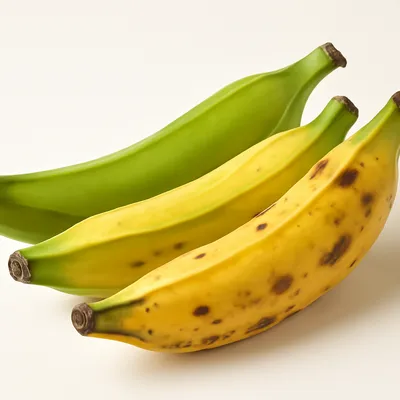
Wait for the skin to go black. Yellow plantain fries up starchy and dull; only at near-rotting ripeness does the starch convert to sucrose and fry up jam-textured. Oil sits at 160°C, not high.
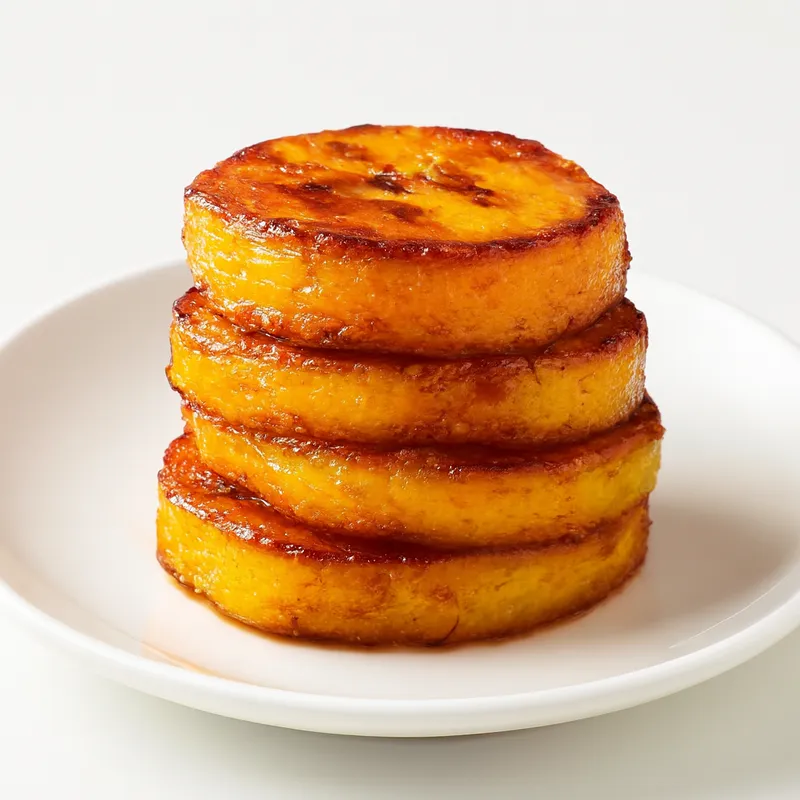
Slices of overripe plantain — black-skinned, almost squishy — pan-fried in shallow oil until the natural sugars caramelize to mahogany. The outside is candy-crisp, the inside is jam. Served as a side to rice and beans, salt fish, or jerk; or eaten alone as snack. A pinch of salt on top sharpens the sweet. If the plantain is yellow rather than black, it'll fry up starchy and dull.
Ripeness is the whole game. As plantain skin blackens, starch converts to sucrose, fructose and glucose — in fully ripe fruit, sucrose is over 70% of the sugars; only at near-rotting ripeness does the inside fry up jam-textured rather than mealy. At this sugar level the browning is driven mainly by caramelization of the fruit's own sugars (with some Maillard), and it happens fast — keep the oil at moderate heat (around 160°C / 320°F), not high. High heat scorches the sugary surface before the center heats through.
Variations
Ghanaian kelewele cubes the plantain and rubs ginger-cayenne in before frying; Nigerian dodo cuts thicker rounds and salts harder; Cuban maduros cooks to mahogany without seasoning at all.
On the Palate
Where Plantain Fritters sits in the Cuban flavor cloud
Wait for near-rotting ripeness — skin fully blackened — so the plantain's starch has turned to sugar; only then does the inside fry up sweet and jammy instead of mealy.
Ingredients


How it's made
5 steps · 28 min
- 15 min
Peel the plantains and mash them in a bowl until smooth. The mixture should be thick and creamy.
Watch outThe mash should be thick and creamy with no hard lumps — that smoothness means the fruit was ripe enough.
- 25 min
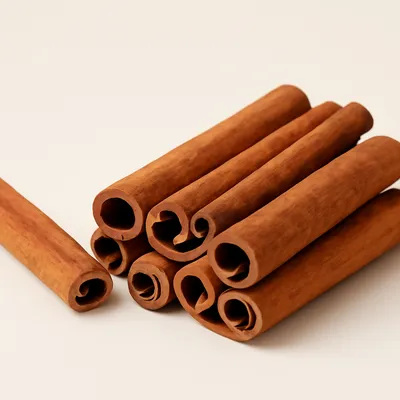
Incorporate flour, sugar, and a pinch of cinnamon into the mashed plantains, stirring until well combined and the batter is slightly thick.
- 310 min
Heat oil in a frying pan over medium-high heat until it shimmers. Drop spoonfuls of the batter into the hot oil, flattening them slightly with the back of the spoon.
Watch outThe oil is ready when it shimmers and a drop of batter sizzles gently and floats — not violently spitting.
- 46 min
Fry the fritters until golden brown on each side, about 3 minutes per side. They should be crispy on the outside and tender inside.
Watch outTurn once the underside is deep golden and the edges look set; both sides should crisp without going dark brown.
- 52 min
Drain the fritters on paper towels to remove excess oil. Serve warm, perhaps with a sprinkle of extra cinnamon or sugar if desired.
Archive tool suggestions — not reviewed
These legacy suggestions have not been evidence-reviewed and are not presented as required tools.