
Spanish croquetas descend from French béchamel cookery. By the 17th century French kitchens were making the smooth butter-flour-milk sauce; the modern croquette is usually credited to Antonin Carême, who around 1817 enrobed a thick béchamel in a crisp fried shell and served it to royalty as croquettes à la royale. The dish spread to Spain, where local cured ham became the standard filling, and reached Cuba in the colonial era. Cubans adjusted the formula in the 20th century: a stiffer roux, more flour, a smaller size — partly to use up cured-ham trimmings, partly because small logs deep-fry fast for cafetería service. By then it was already a cheap, everyday snack across Havana. Cuban exiles carried it to Miami, where the ventanita (a walk-up coffee window selling Cuban espresso and snacks) made it an icon of the Cuban-American community. (Some accounts say the modern form was standardized in exile-era Miami, but the ham croqueta was long established in Cuba beforehand; the exact line of development is unsettled.)
Spanish croquetas trace to 19th-century Madrid kitchens copying French croquette technique. Cuba's version diverged in the 20th century — stiffer roux, smaller logs, deep-fried not pan-fried. Miami's post-1959 exile-era ventanitas standardized the finger-sized format. Refrigerate the paste at least 4 hours or the logs collapse in oil.
Cylindrical, finger-sized, the breadcrumb crust shattering on the first bite into a near-liquid béchamel-and-ham filling. Hot enough to burn the tongue if you rush. The tell is molten-not-grainy: a good one is creamy, almost flowing, while too much flour leaves it dry and pasty. Cuban-style is denser than Spanish — more flour in the roux, smaller logs, deep-fried rather than pan-fried. Eaten as a snack or alongside a small cup of Cuban coffee at a walk-up window; usually three or four to an order.
The béchamel must be cooked thick enough that it sets cold but loose enough to liquefy on the tongue. Ratio is roughly 1:1 flour-to-fat by volume in the roux, then milk added until the paste pulls cleanly from the pan side. Refrigerate at least 4 hours — preferably overnight — or the logs collapse in oil. Double-bread (flour, egg, breadcrumb, then a second egg-and-breadcrumb pass) for the shell that holds the molten interior.
Variations
Versailles in Miami's Little Havana sets the modern Cuban-American template; Sergio's runs theirs larger and looser; Madrid's Casa Julio does a 24-hour rest on the roux for an even softer interior; Asturian-style swaps in cabrales blue cheese.
On the Palate
Where Croquetas de Jamón sits in the Cuban flavor cloud
Ingredients


How it's made
5 steps · 1 hour 15 min
- 18 min
Melt butter in a pan and sauté onion until translucent.
- 23 min
Stir in flour to make a roux.
Watch outCook the flour in the butter a full minute until it smells nutty and looks like wet sand — raw flour leaves a pasty aftertaste in the finished croqueta.
- 35 min
Gradually add milk, stirring until thickened.
Watch outKeep stirring as it thickens — it's ready when the paste pulls cleanly off the pan side in a mass and leaves a trail; too loose and the logs won't hold.
- 43 min
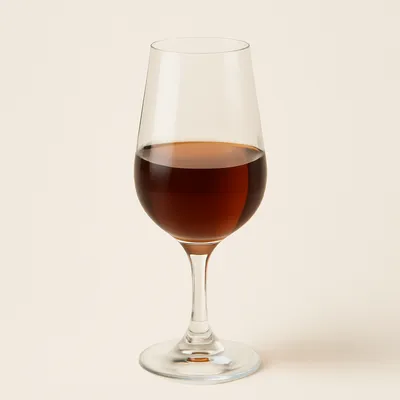
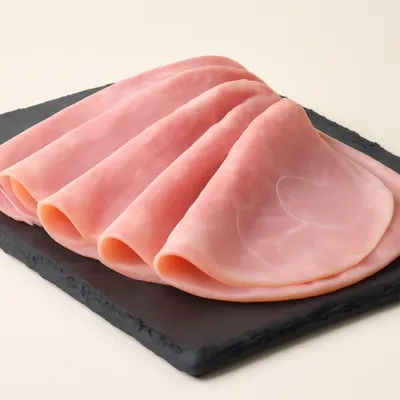
Mix in finely diced ham, season with nutmeg and sherry.
- 530 min
Chill the mixture, shape into logs, dredge in egg and breadcrumbs, then fry until golden.
Watch outChill it solid before shaping — at least four hours, better overnight — or the croquetas slump apart in the oil; fry until deep gold, not pale.
Archive tool suggestions — not reviewed
These legacy suggestions have not been evidence-reviewed and are not presented as required tools.