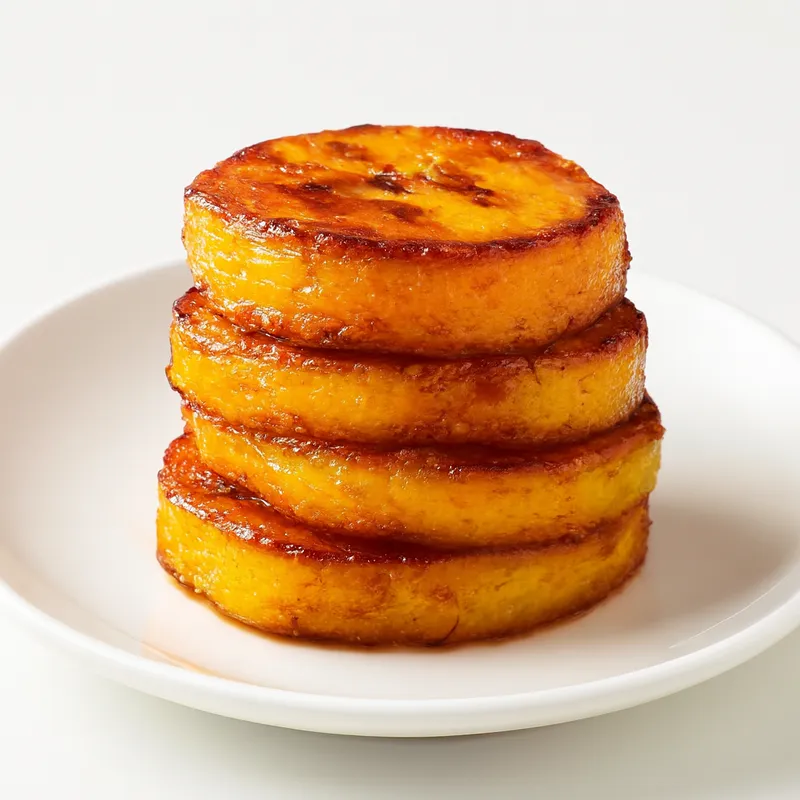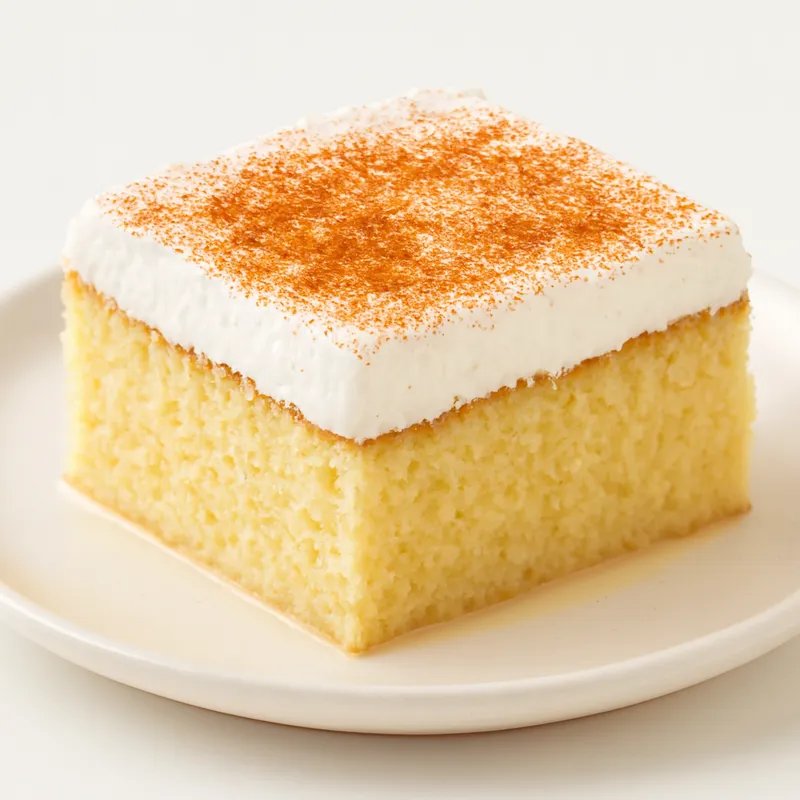
A moist sponge cake soaked in three kinds of milk, topped with whipped cream and a sprinkle of cinnamon.





The origin of tres leches cake is genuinely disputed, with several Latin American countries laying claim. Most historians lean toward Nicaragua, though Mexico has an equally strong following, and Cuba, Puerto Rico, and others also claim it — so it is not uniquely Cuban. Some trace it further back to older European soaked desserts, such as the British trifle or the closely related trileçe of Albania and Turkey, hinting at possible Old World roots, though none of this is proven. The most widely cited thread credits its spread to canned milk: after sweetened condensed milk appeared in the mid-1800s and evaporated milk in the 1870s, these shelf-stable milks caught on quickly in Latin American towns, and by the early 20th century Nestlé and other firms were printing soaked-cake recipes on the backs of their milk cans to promote the product — popularizing (not inventing) the dessert around the canned-milk boom of the 1940s. It should be noted that the can-recipe story, though often repeated, has never been documented and remains plausible speculation; what is certain is only that the spread of canned condensed milk paved the way for the cake's popularity. Cuba adopted it firmly in the mid-20th century, and it later became a fixture at Miami exile bakeries, where most Americans first encounter it.
Disputed Latin claim — Nicaragua, Mexico, Cuba — but the paper trail leads to Nestlé condensed-milk pamphlets in the 1940s–50s. The sponge must be no-butter, high-protein, or it can't absorb three times its weight in liquid; pour milk while still oven-warm or only the top takes it.
A pale sponge cake fully saturated with three milks — evaporated, sweetened condensed, and cream — so wet a fork sinks straight through and milk pools on the plate. Topped with whipped cream and dusted with cinnamon. Served cold, ideally chilled overnight. The cake itself isn't sweet; the soak does all the work.
The sponge must be a low-fat, high-protein structure — no butter — or it can't absorb three times its weight in liquid. Eggs are whipped to ribbon stage and folded with flour; that air structure is what holds the milk like a sponge. Pour the milk mixture while the cake is still warm from the oven so the absorption goes all the way through; pour cold and only the top layer takes it. Rest minimum 6 hours before serving.
Variations
Cuban tres leches (cinnamon-dusted whipped cream); Nicaraguan version (with rum in the soak); Mexican pastel de tres leches (often with strawberry or guava); cuatro leches adds dulce de leche on top; Miami exile bakeries (Vicky Bakery, La Rosa) made the form famous in the US.
On the Palate
Where Tres Leches Cake sits in the Cuban flavor cloud
Ingredients




How it's made
5 steps · 3 hours
- 1112 min
Bake a light sponge cake and let it cool.
Watch outBake it lean and springy — no butter; a buttery sponge can't drink the milk, so tap the top and it should bounce back.
- 214 min
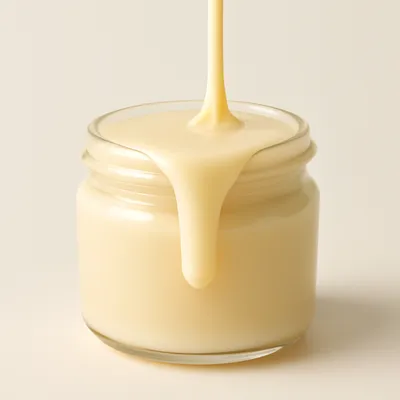
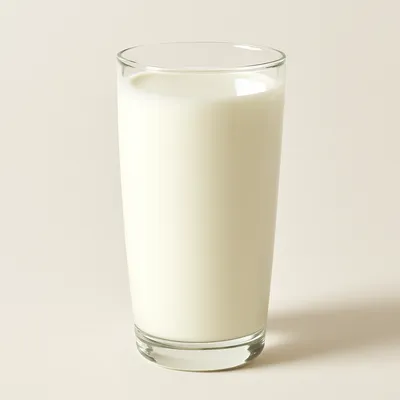
Mix whole milk, condensed milk, and evaporated milk.
- 322 min
Poke holes in the cake and pour the milk mixture over, allowing it to absorb.
Watch outPoke deep and pour while the cake is still warm from the oven — cold cake only soaks the top, warm soaks all the way down.
- 422 min
Top with whipped cream.
- 59 min
Sprinkle with cinnamon before serving.
Archive tool suggestions — not reviewed
These legacy suggestions have not been evidence-reviewed and are not presented as required tools.