A Székely Hungarian specialty from Transylvania, documented in cookbooks from the 1780s in the Erdély region. Originally a wedding-feast pastry — the spit-rolled form let village ovens cook it without a baking tin. Spread to Budapest only in the 2000s as a tourist street snack, and from there worldwide as Czech-marketed "trdelník" — which is a different, later, Slovak adaptation, not the original.
A Székely Hungarian wedding pastry from Transylvania, in cookbooks since the 1780s. Dough's surface goes through Maillard at the same time the granulated sugar coating caramelizes around 170°C — the wooden spit (not metal) is what keeps the center from drying. Czech 'trdelník' is a later Slovak adaptation, not the original.
A hollow spiral tube of sweet yeasted dough wound around a wooden spit, rolled in granulated sugar, and turned over open coals until the sugar caramelizes into a crackling crust. Sold steaming from market stalls, often re-rolled in cinnamon, walnut, or cocoa after baking. Pulled apart in spiral strips while hot. Cold, the crust softens and the magic dies within twenty minutes.
Two browning reactions stack: the dough's surface goes through Maillard from the radiant heat, and the granulated sugar coating goes through caramelization at ~170 °C. The wooden spit matters — metal would conduct heat into the center and dry the crumb. The spit's slow rotation, by hand or motor, keeps the sugar liquefying evenly without scorching one side. Eaten within minutes, before the steam inside softens the shell.
Variations
Plain sugar-crust (the Székely original); cinnamon-walnut roll-after; cocoa-coconut tourist version on Budapest's Váci utca; trdelník as the Prague-marketed cousin; Vajdahunyad Castle's Christmas-market booth still uses charcoal not gas.
On the Palate
Where Kürtőskalács sits in the Hungarian flavor cloud
Get the sugar to caramelize evenly all the way around by rotating the spit without pause — stop turning and one face scorches while the rest stays pale.
Ingredients


How it's made
5 steps · 40 min active + 1 hour waiting
- 110 min
In a large bowl, mix flour, sugar, salt, and yeast. Gradually add warm milk and a beaten egg, stirring until a soft dough forms. Knead until smooth and elastic, about 10 minutes.
Watch outEnsure the dough is kneaded until it becomes smooth and elastic to develop gluten properly.
- 20 min
Let the dough rise in a warm place until doubled in size, about 1 hour. The dough should feel light and airy.
Watch outEnsure the dough is kept in a warm, draft-free area to rise properly.
- 310 min
Punch down the dough and roll it into a long strip. Wrap the strip around a greased, cone-shaped spit, overlapping slightly. The dough should adhere snugly to the spit.
Watch outThe dough must grip the spit with no slack; a loose wrap slides and the layers separate as it cooks.
- 415 min
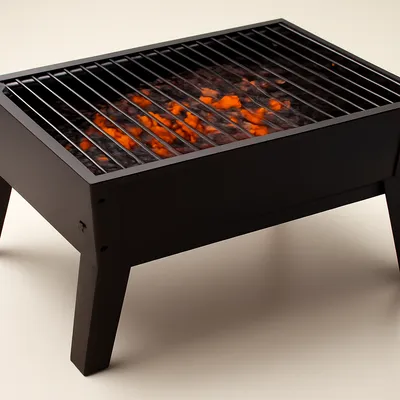
Roll the dough in sugar, ensuring an even coating. Roast over charcoal, rotating continuously, until golden brown and the sugar caramelizes, about 15 minutes. The aroma should be sweet and toasty.
Watch outThe whole surface should turn glossy deep amber at once as the sugar liquefies and caramelizes — if one stripe darkens ahead, you've stopped turning.
- 55 min
Brush with melted butter and sprinkle with nuts or cinnamon if desired. Let cool slightly before sliding the cake off the spit.
Watch outCool only until the spit is handleable, then slide the cake off in one piece while the shell is still crisp.
Archive tool suggestions — not reviewed
These legacy suggestions have not been evidence-reviewed and are not presented as required tools.