



Makos guba is a fixture of the Hungarian Christmas Eve table, built on the thrifty habit of reviving stale kifli rolls and on the old folk belief that poppy seeds bring prosperity and good fortune in the year to come. Its dense, dark layers carry centuries of midwinter symbolism.
Soft, milk-soaked bread turns almost custardy, threaded with the nutty, faintly bitter crunch of poppy seeds and a warm vanilla sweetness. Cosy, dark, and deeply nostalgic.
The stale bread's dry crumb soaks up the sweet milk like a sponge and softens evenly, while baking sets the custardy mass; finely ground poppy seeds release their oils for a richer, nuttier flavour.
Variations
Made as stovetop dumplings instead of baked, with rum-soaked raisins, topped with stewed fruit, walnut version (dios guba)
On the Palate
Where Mákos Guba sits in the Hungarian flavor cloud
Ingredients
Serves 4How it's made
8 steps · 15 min
- 15 min
Slice day-old crescent rolls or other rich bread into thick pieces.
- 25 min
Warm milk with sugar and a split vanilla pod until just steaming.
Watch outHeat the milk just until it steams and edges shiver — let it boil and the vanilla scorches and the milk skins over.
- 320 min
Pour the sweet milk over the bread and let it soak until softened.
Watch outSoak until the bread is soft clear through but still holds its shape; if it slumps into mush it won't bake up with any body.
- 44 min
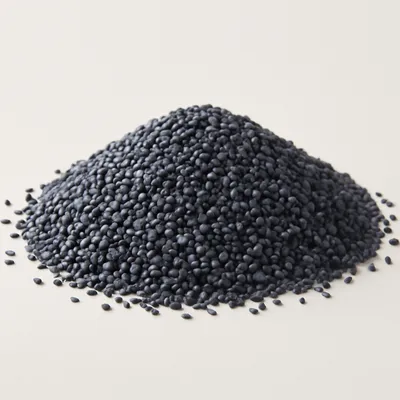
Grind the poppy seeds finely and mix with a little sugar.
- 56 min
Layer the soaked bread and ground poppy seeds in a buttered baking dish.
- 625 min
Bake in a moderate oven until set and lightly crisp on top.
Watch outIt's done when the center sets and no longer wobbles and the top just crisps — an over-baked top goes dry and hard.
- 78 min
Meanwhile stir a simple vanilla custard until thickened.
- 82 min
Serve warm with the vanilla custard poured over.