Frankfurt's emblematic celebration cake: a tall ring-shaped sponge sliced into three or four horizontal layers, filled and masked with German buttercream, and coated all over in Krokant, a brittle of caramelized chopped hazelnuts or almonds. Whipped cream rosettes crown the top, each capped with a candied cherry. The crown silhouette and the golden, jewel-studded surface reference Frankfurt's status as the city where the Holy Roman Emperors were crowned. It is a Kaffeetafel centerpiece, cut into thin wedges and eaten with a fork.





The cake is tied to Frankfurt am Main, the Free Imperial City where Holy Roman Emperors were elected and, from 1562 to 1792, crowned in the Kaiserdom (St. Bartholomew's Cathedral); the ring form and the gold-toned Krokant are popularly read as a stylized crown and its jewels. The first printed recipe under this name is generally placed in the early 20th century, and the cake spread as a German bourgeois Kaffeekultur showpiece through the interwar and postwar decades; older claims of an 18th-century coronation-era origin are part of the city's lore rather than securely documented. Its defining German buttercream and Krokant both depend on refined sugar and abundant butter, which made it a luxury cake of the modern era rather than a medieval one.
A dense, buttery ring with a tender crumb, slicing into bands of pale sponge separated by thick, smooth buttercream. The whole exterior is rough with Krokant, so each forkful breaks through a crunchy, toasted-caramel-nut shell into soft cake and rich cream. Often a thin ribbon of red currant or sour-cherry jam runs through one layer to cut the richness. It eats sweet and substantial — a slice is a small meal, best with unsweetened coffee.
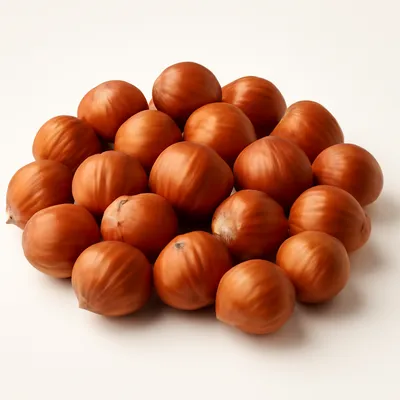
Three elements define it. The sponge is a butter-rich Rührteig (creaming-method batter) rather than a fatless genoise, so it stays moist enough to hold days of buttercream without drying. The filling is German buttercream (Buttercreme auf Pudding-Basis): a cooked milk-and-egg custard whipped into softened butter, which is more stable and less cloying than the all-meringue or all-icing-sugar styles. The Krokant is hot caramel — sugar cooked to roughly 160-170°C — stirred with toasted chopped nuts and poured out to set; once cooled it is crushed and pressed onto the cream while still tacky, the caramel's water-free crunch surviving against the moist cake only because the buttercream seals it off from the crumb.
Variations
Buttercream flavoring varies by household — vanilla is standard, but versions are made with a splash of rum, lemon zest, or a thin layer of red currant jelly between layers. Some bakeries use almond Krokant instead of hazelnut, or substitute toasted flaked almonds for chopped nut brittle. A simplified everyday version skips the cherry-and-rosette crown and just dusts the top with extra Krokant. The cake is closely related in technique to other German buttercream Torten but is distinguished by its ring mould and all-over nut-brittle coat.
On the Palate
Where Frankfurter Kranz sits in the German flavor cloud
Ingredients
Serves 12


How it's made
8 steps · 1 hour 30 min active + 1 hour waiting
- 120 min
Cream softened butter with sugar until pale, beat in eggs one at a time, then fold in flour, baking powder and a little milk to a smooth Rührteig.
- 255 min
Pour into a buttered, floured ring (Bundt) mould and bake at 175°C until a skewer comes out clean, about 45-55 minutes; cool fully.
- 320 min
For the Krokant, melt sugar to a deep amber caramel at about 160-170°C, stir in toasted chopped hazelnuts, pour onto oiled parchment, cool hard and crush coarsely.
Watch outCook the sugar to a deep amber at about 160–170°C, then stir in the nuts — too pale it won't set crunchy, too dark and the caramel scorches bitter.
- 430 min
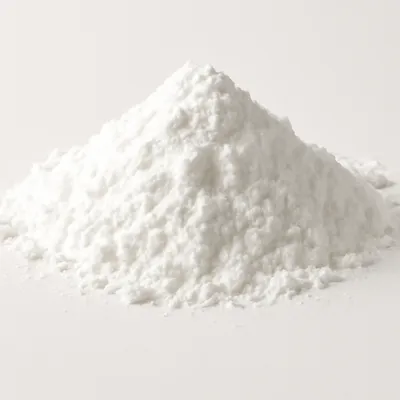
For the buttercream, cook milk, sugar, egg yolks and cornflour into a thick custard, cool to room temperature, then whip into softened butter until light.
Watch outWhip the cooled custard into softened butter until light — both must be the same cool temperature or the buttercream splits and curdles.
- 510 min
Slice the cooled ring horizontally into three or four even layers.
- 620 min
Stack the layers, spreading buttercream (and optional red currant jam) between each, then mask the top and sides completely with buttercream.
- 710 min
Press crushed Krokant all over the cream-coated surface while it is still tacky.
Watch outPress the crushed Krokant on while the cream is still tacky — let the surface dry first and it won't grip.
- 815 min
Pipe whipped cream or buttercream rosettes around the crown and top each with a candied cherry; chill before slicing.
Archive tool suggestions — not reviewed
These legacy suggestions have not been evidence-reviewed and are not presented as required tools.


